If you missed my day 3 part 2, you can view it here.
After Larry’s keynote ran over by an hour, there was little time left before the next session. So, I quickly grabbed a tea and returned to my seat, ready for the following keynote.
Keynote: The “AI for Data” Revolution is Here – How to Survive and Thrive
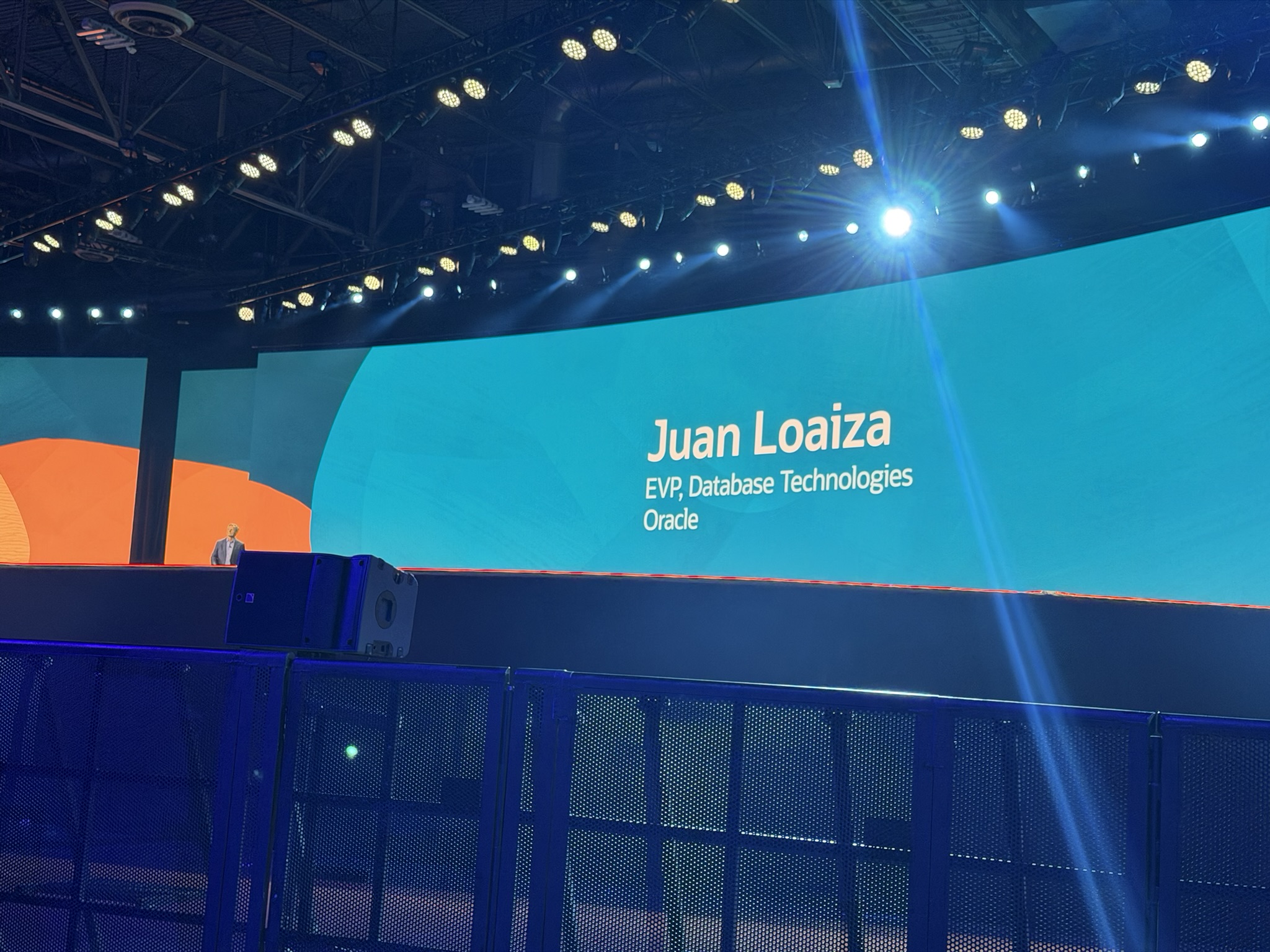
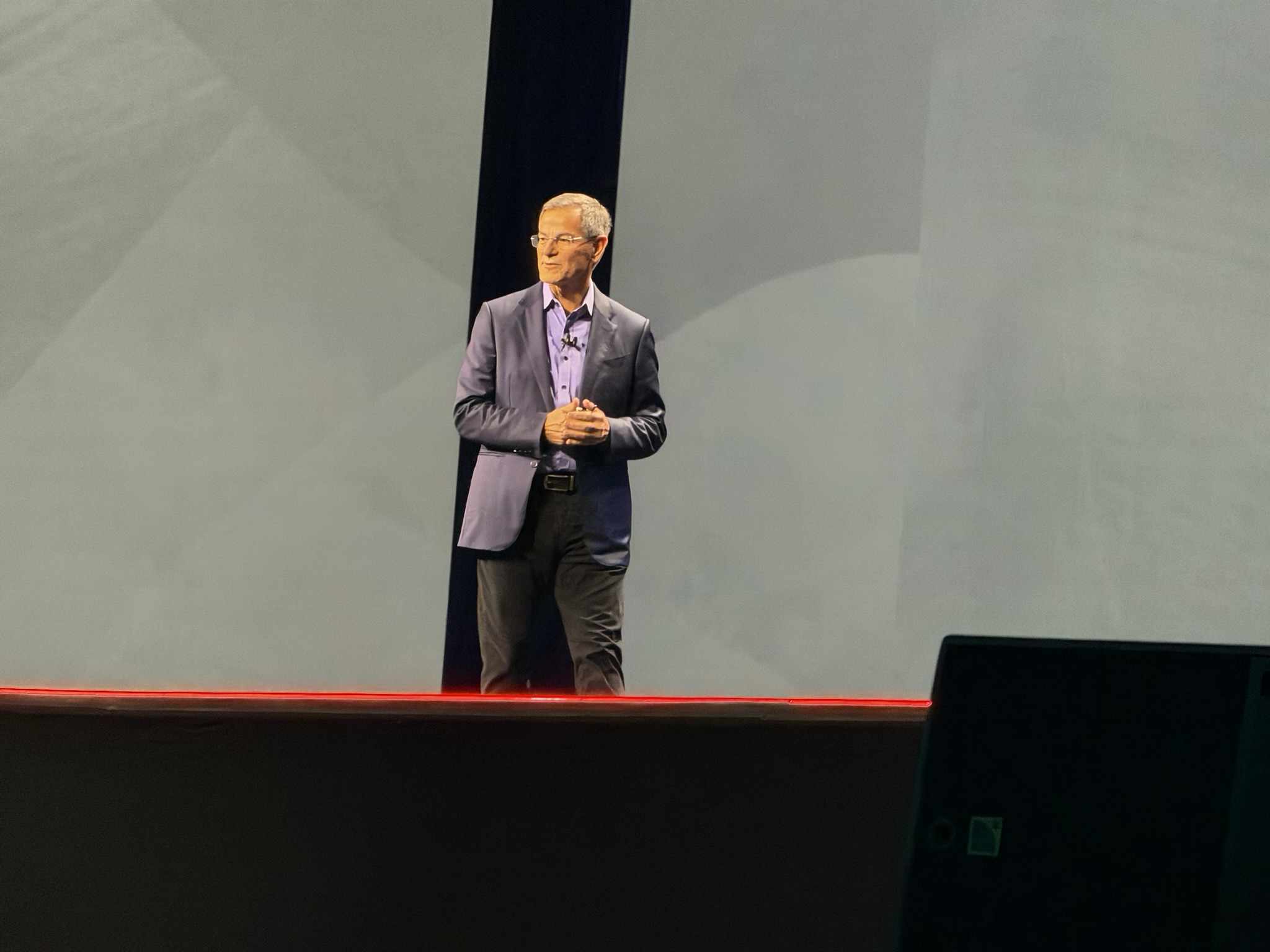
This keynote was by Juan Loaiza, Executive Vice President, Oracle Database Technologies, Oracle.
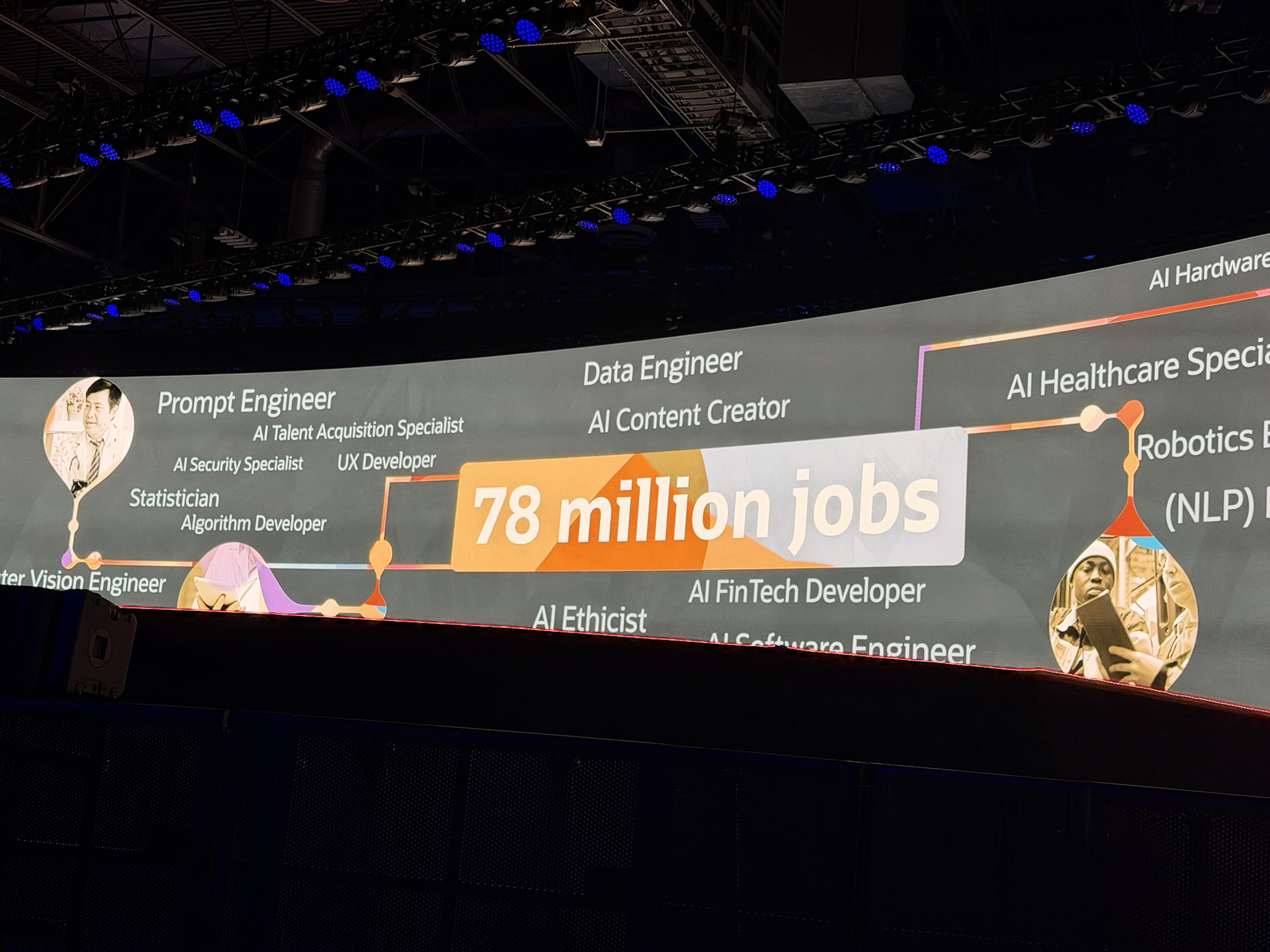
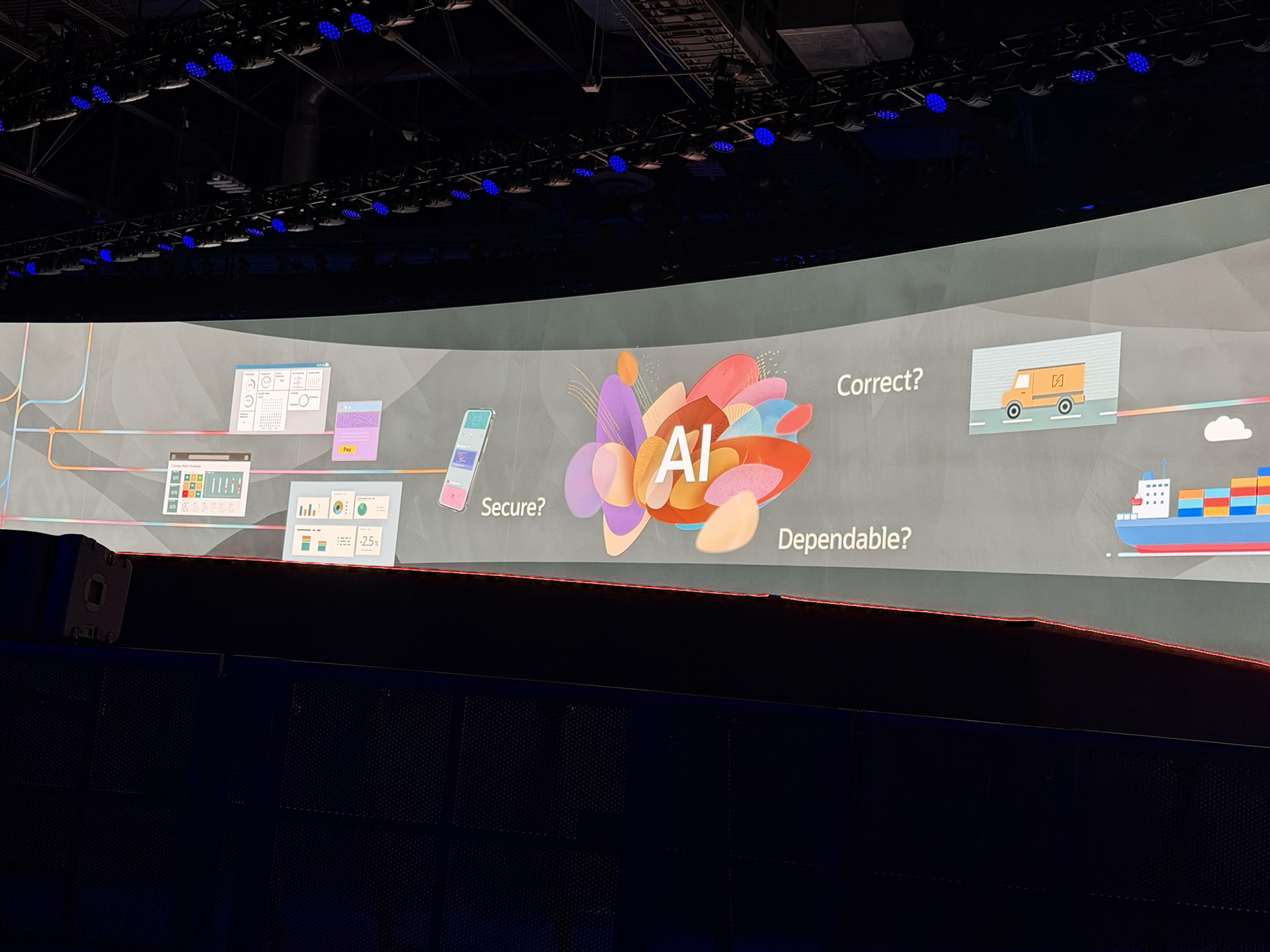
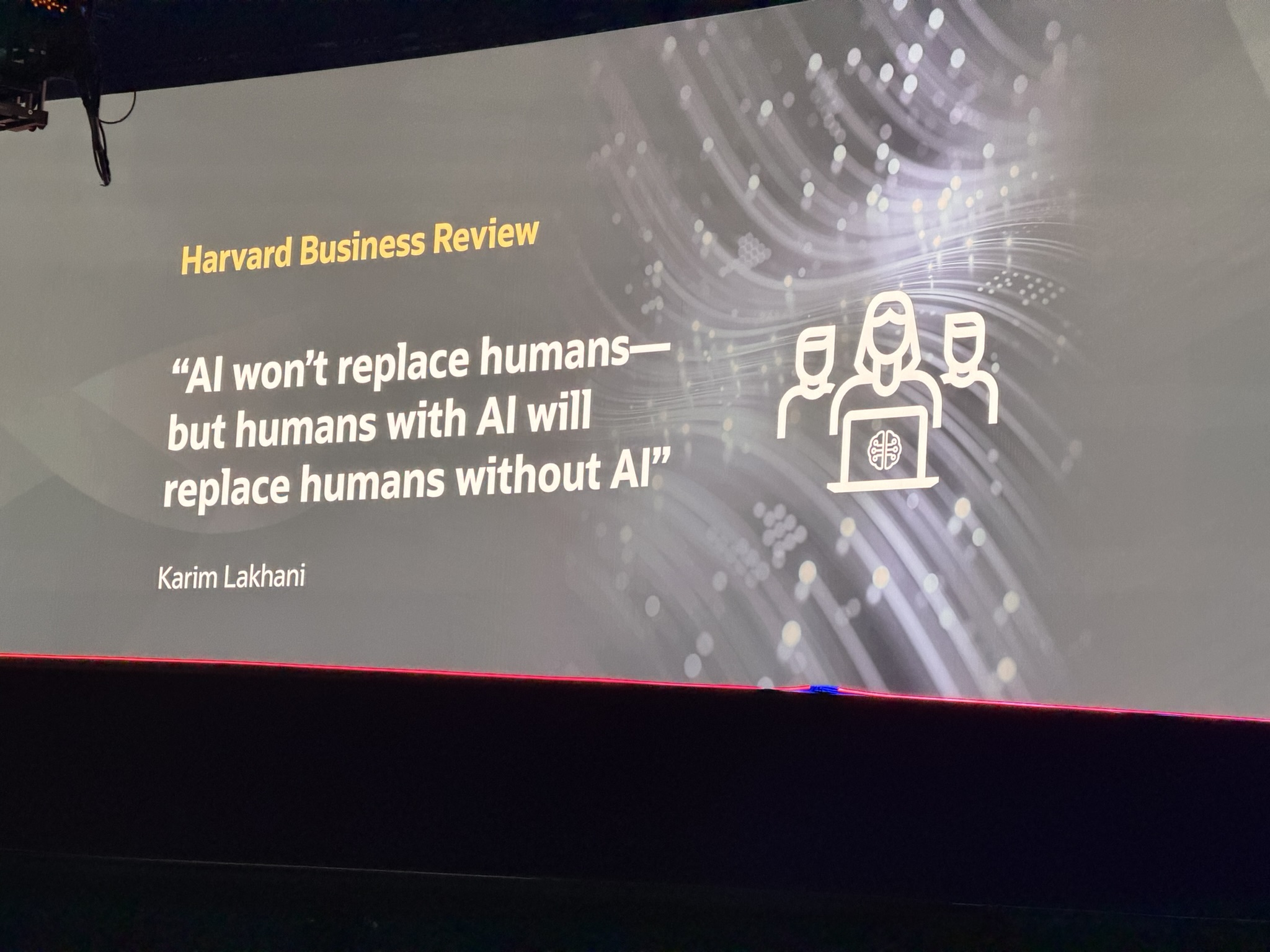
An interesting quote that stood out for me was: “AI won’t replace humans – but humans with AI will replace humans without AI” Karim Lakhani, Harvard Business Review. This really echoed a common theme at Oracle AI World of AI is here to augment humans, not replace them.
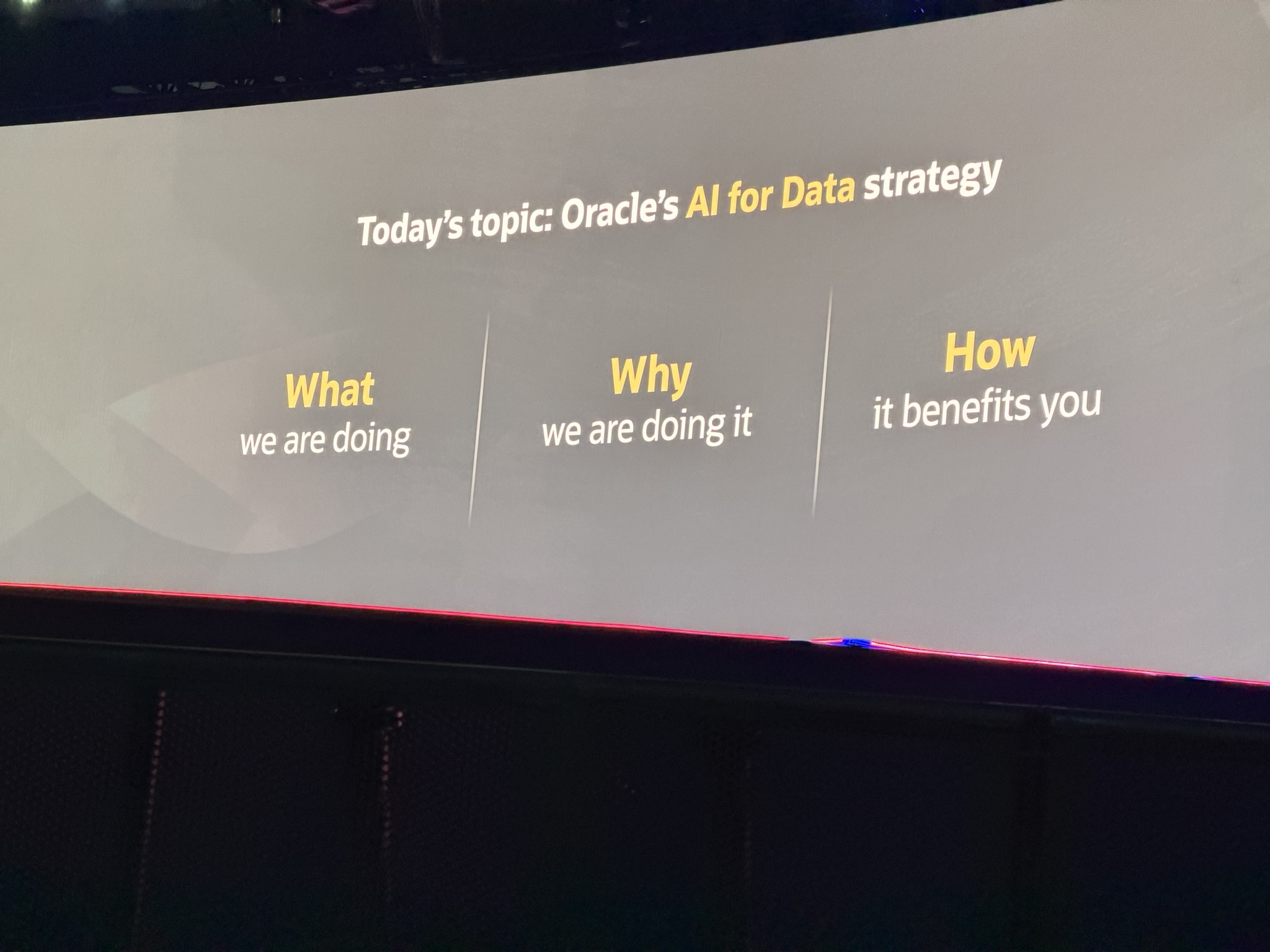
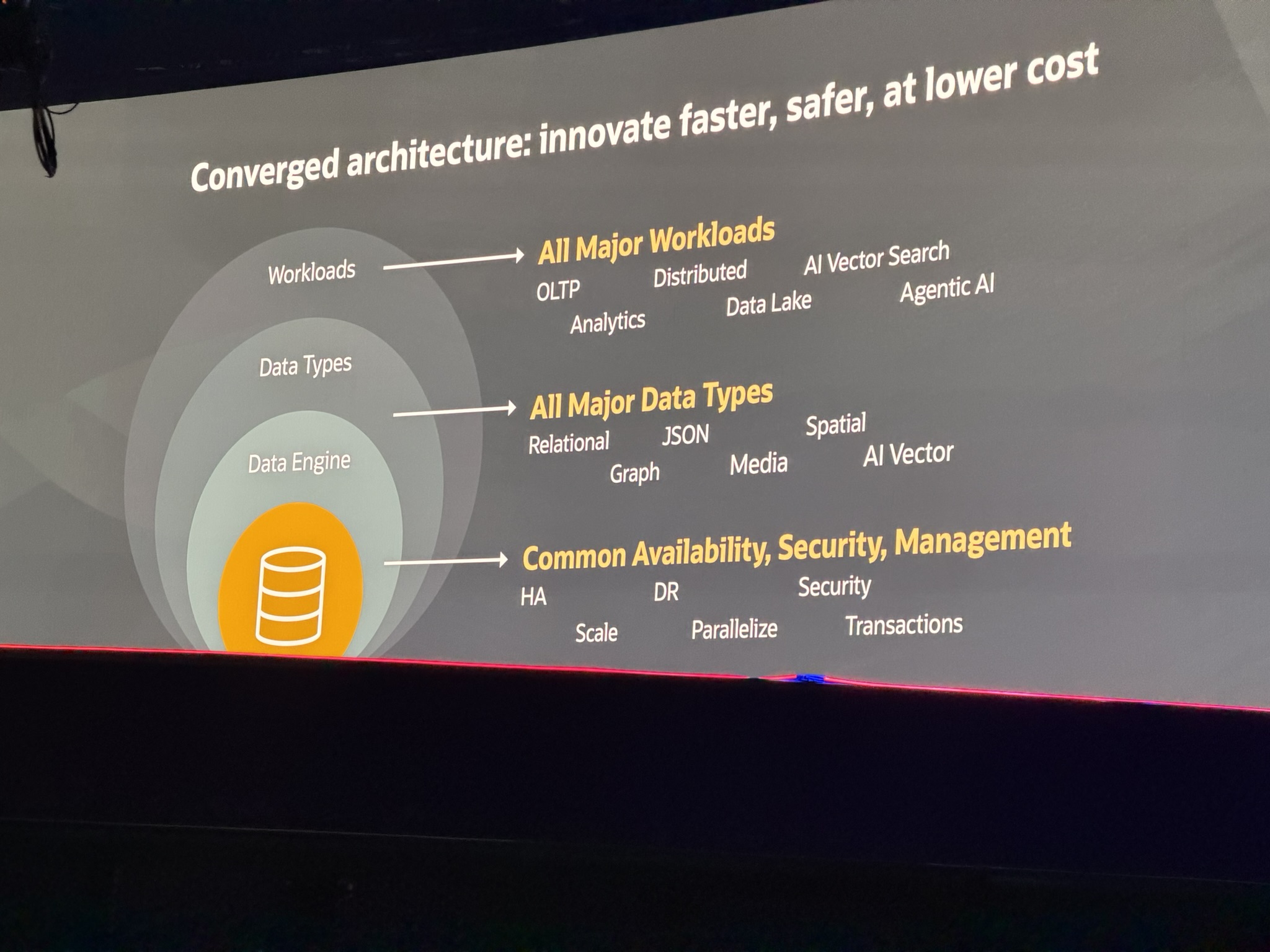
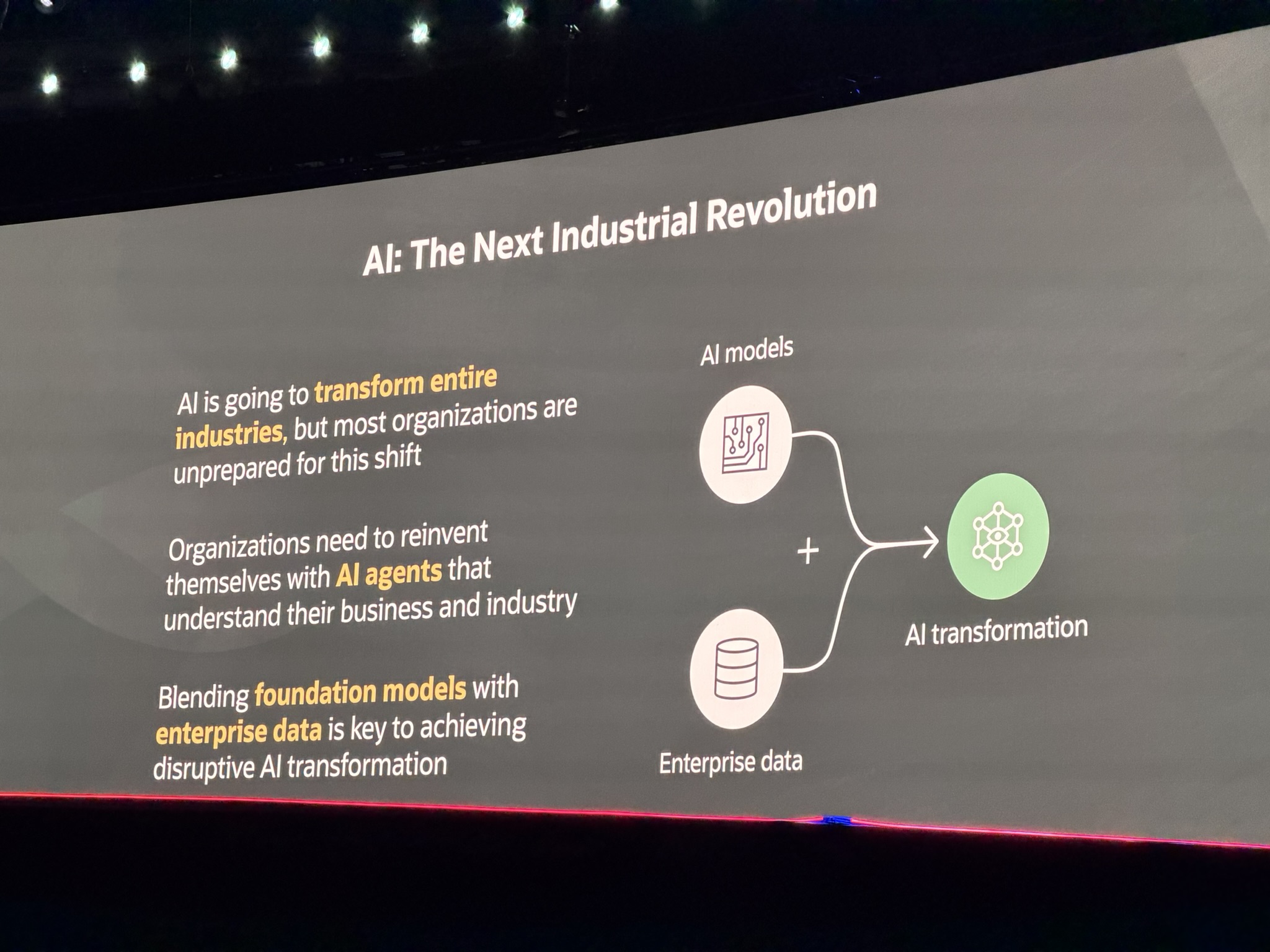
Juan then moved on to Oracle’s AI for Data strategy, explaining that Oracle is positioning its database and data platforms as the backbone for enterprise AI, helping organisations innovate faster, safer, and at lower cost.
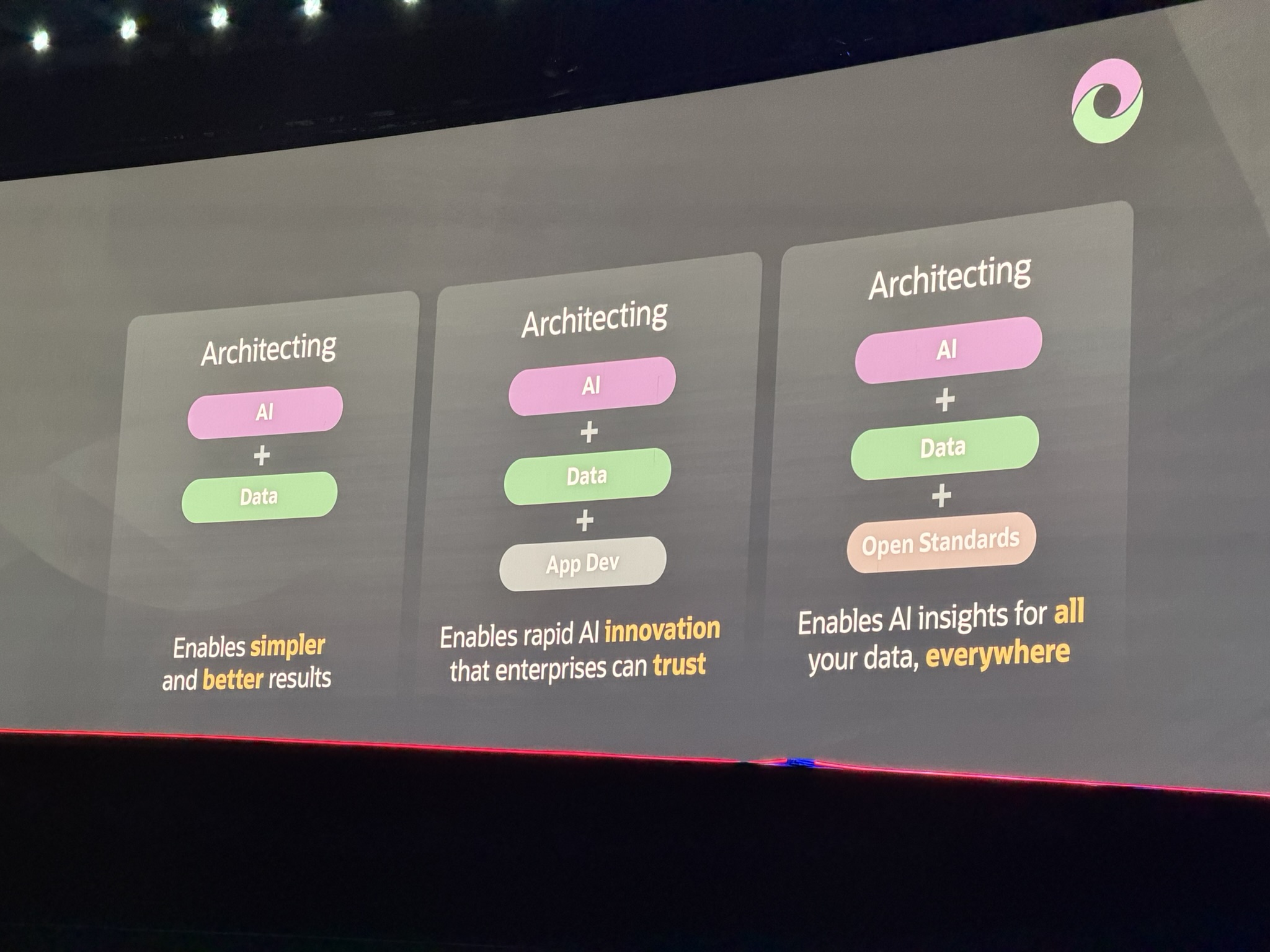
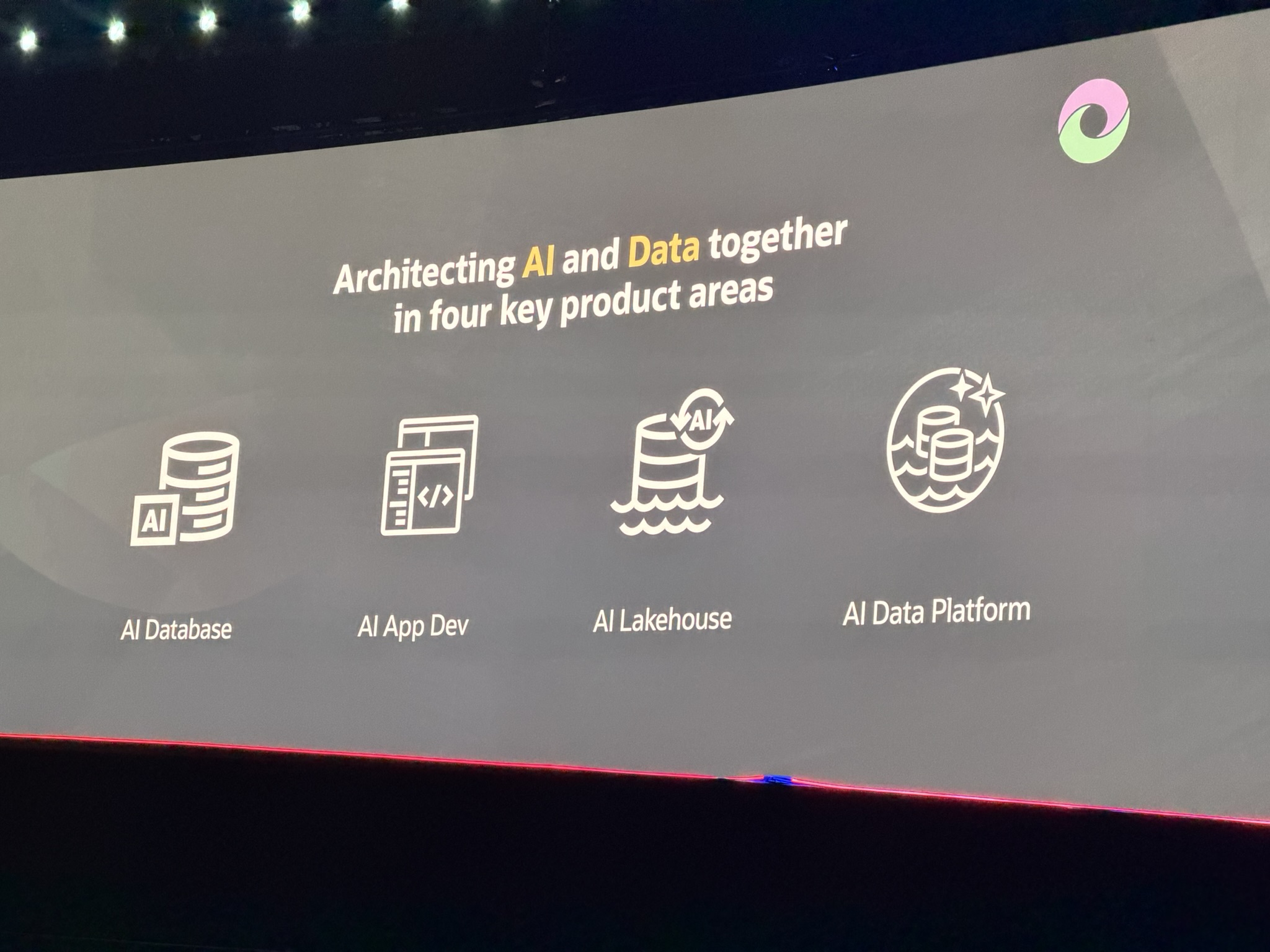
Segment 1: Architecting AI and Data Together – The Oracle AI Database
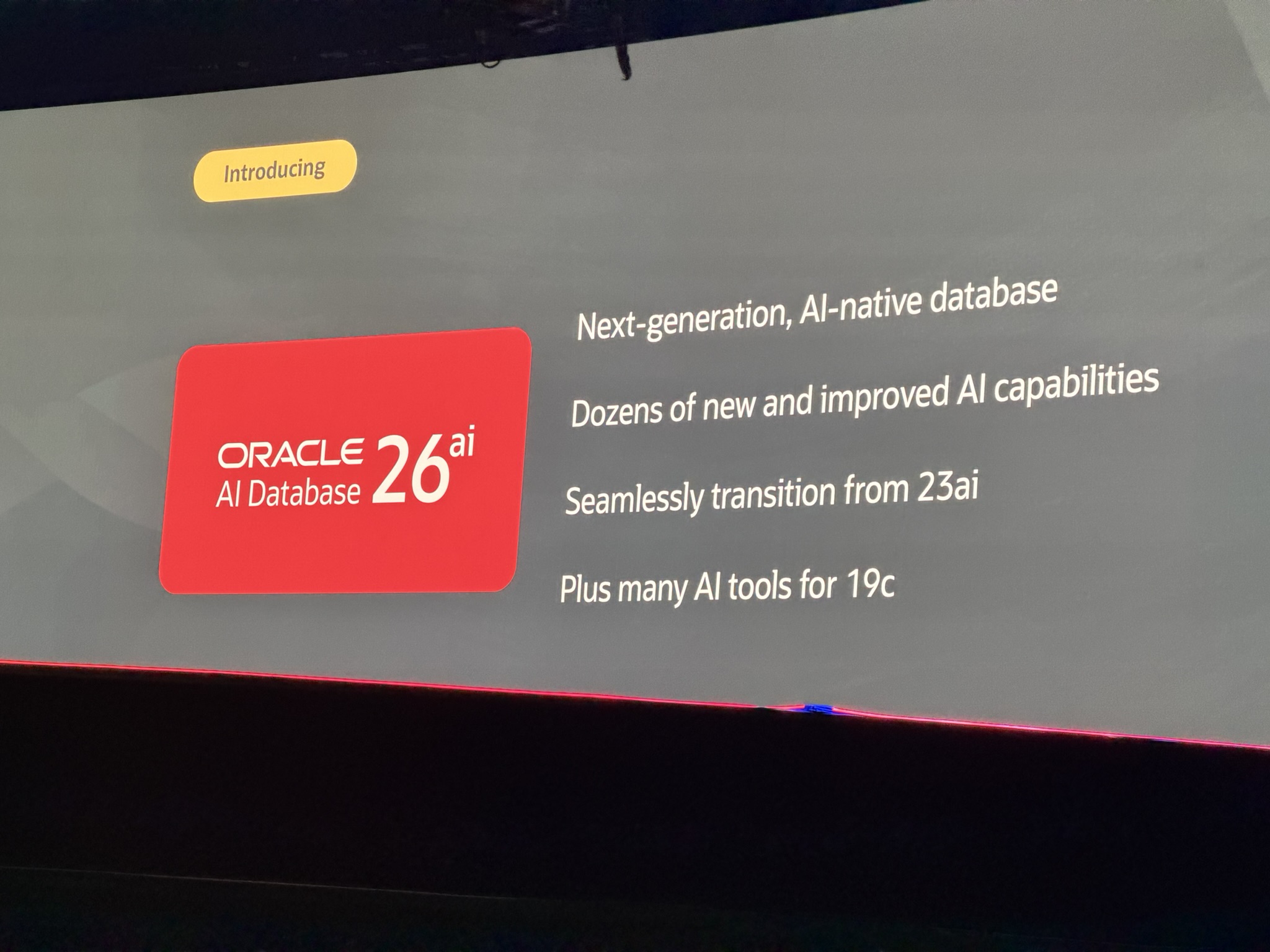
Next, he introduced the new Oracle AI Database 26ai, the next-generation AI-native database. It replaces 23ai with a simple Release Update (RU), making the upgrade seamless and efficient.
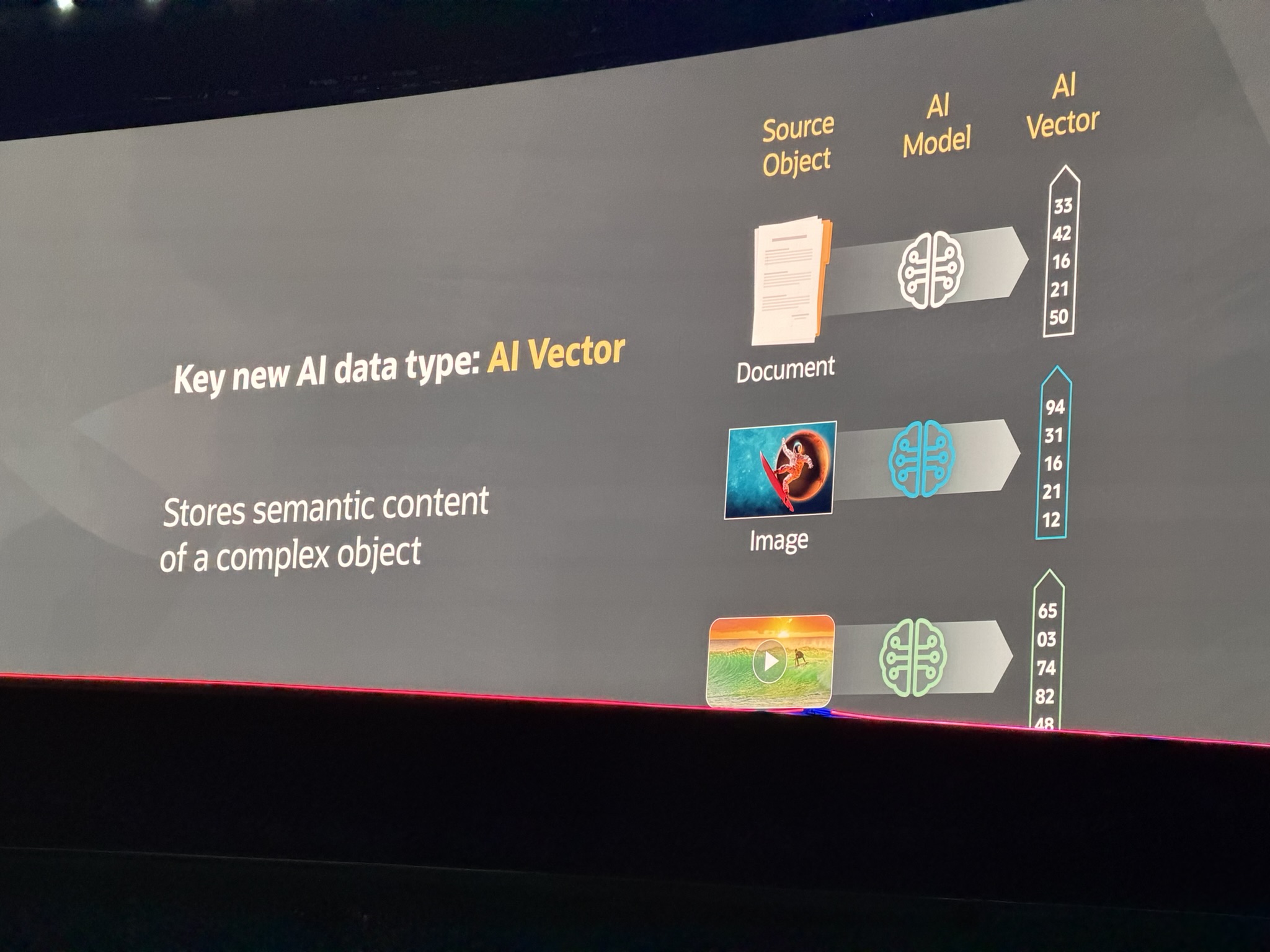
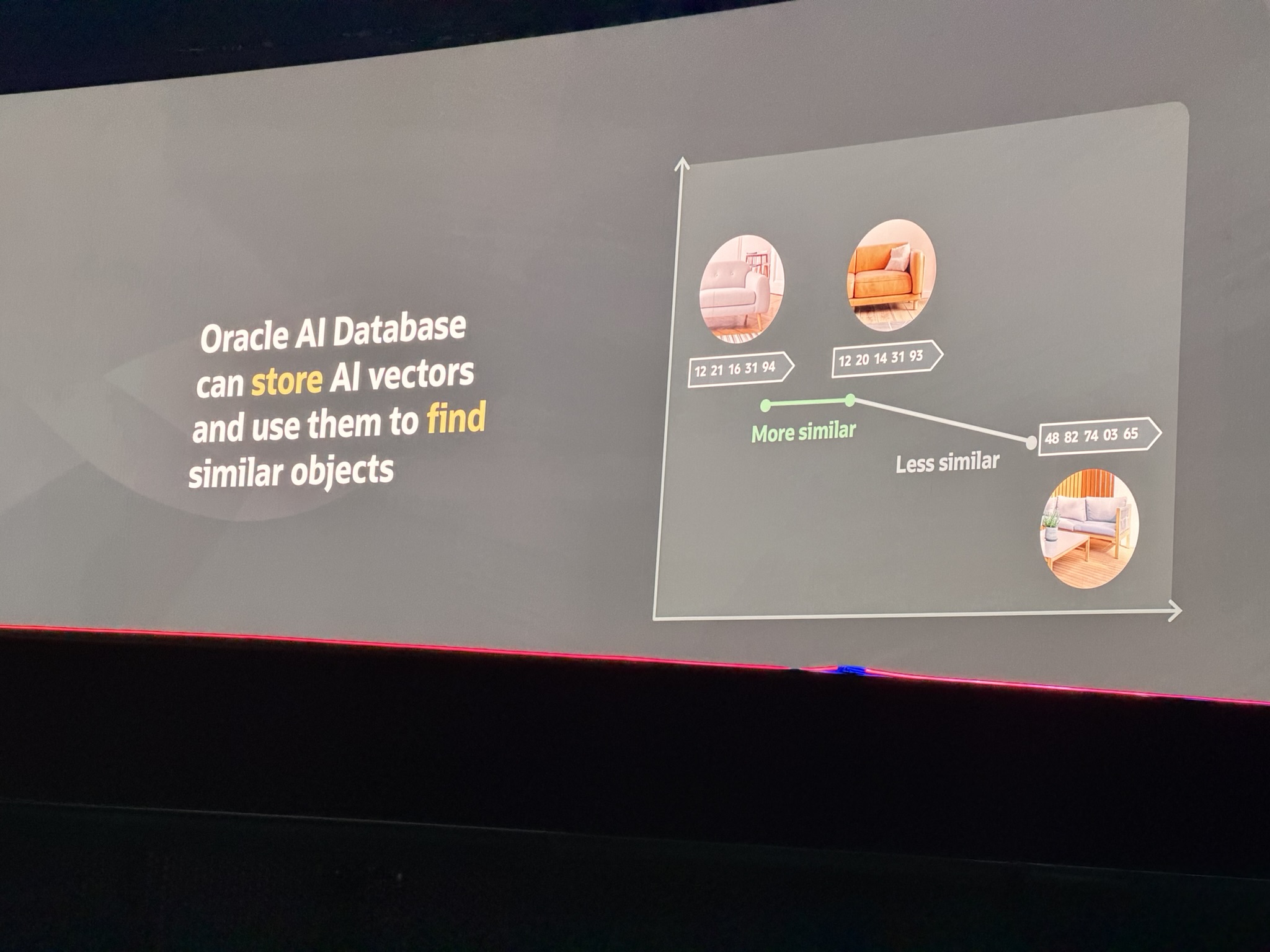
He then spoke about AI Vector Search. If you’d like more details, check out my previous blog here, it covers what AI Vector Search is, what’s new, and what’s coming next.
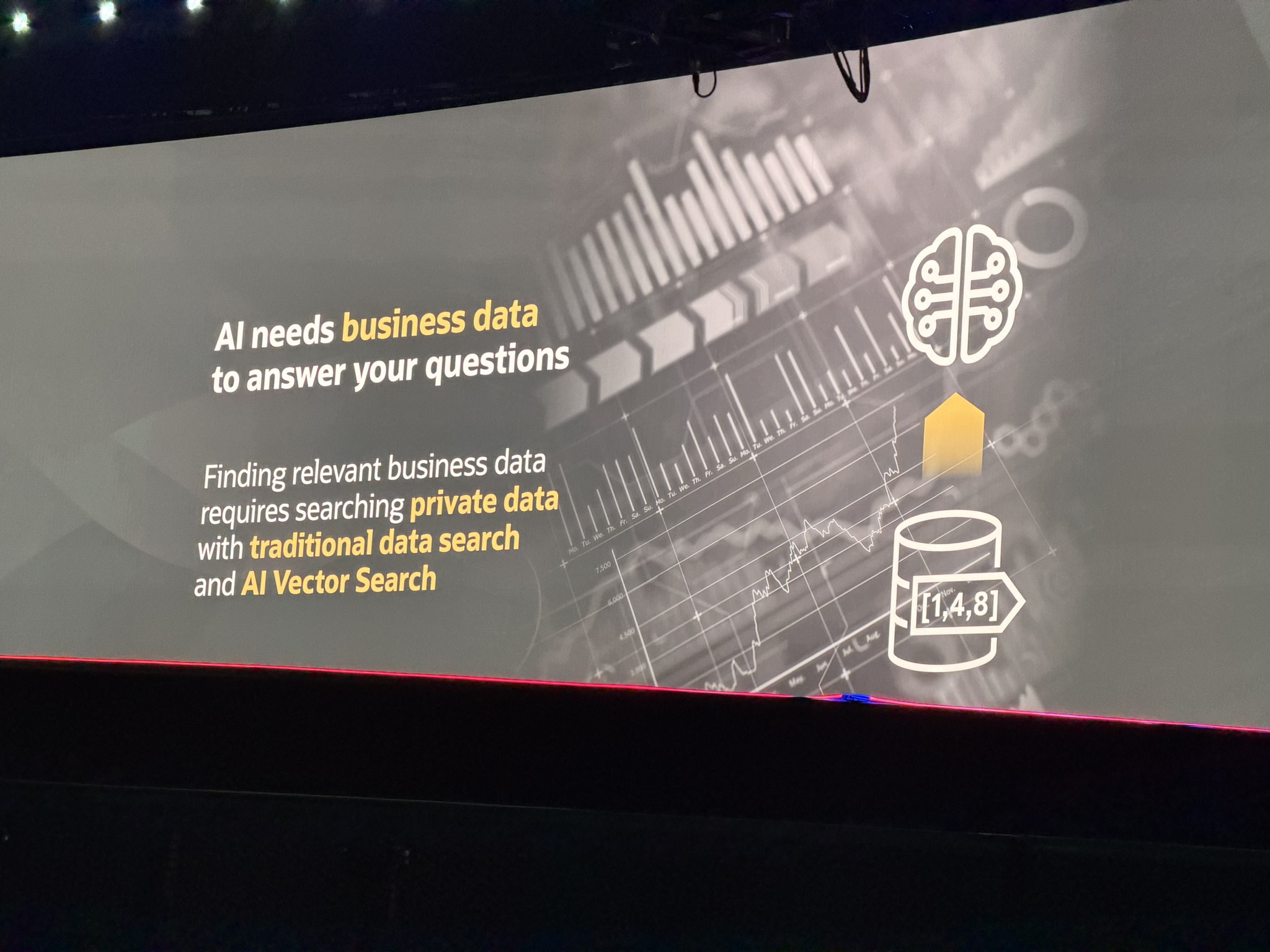
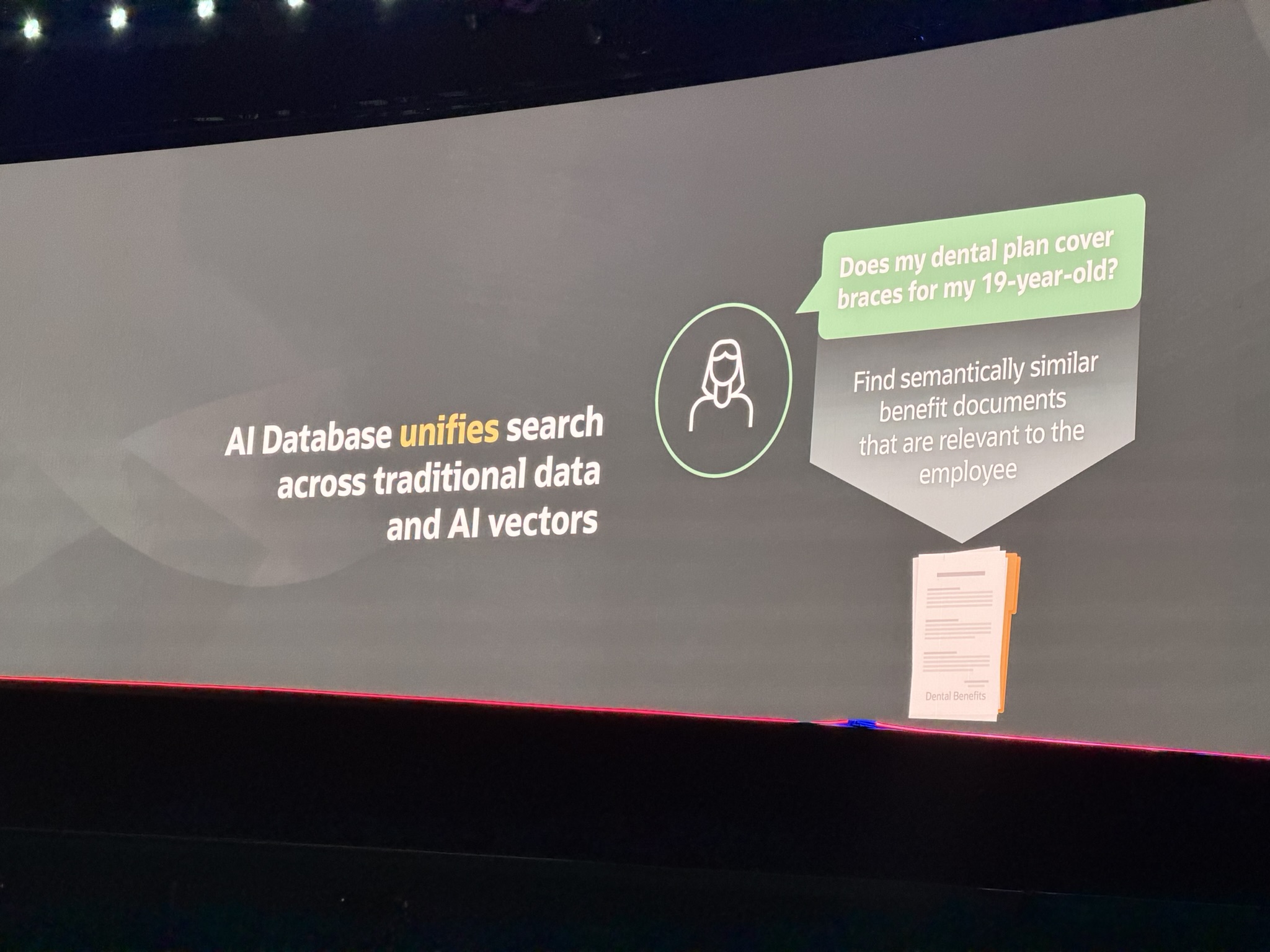
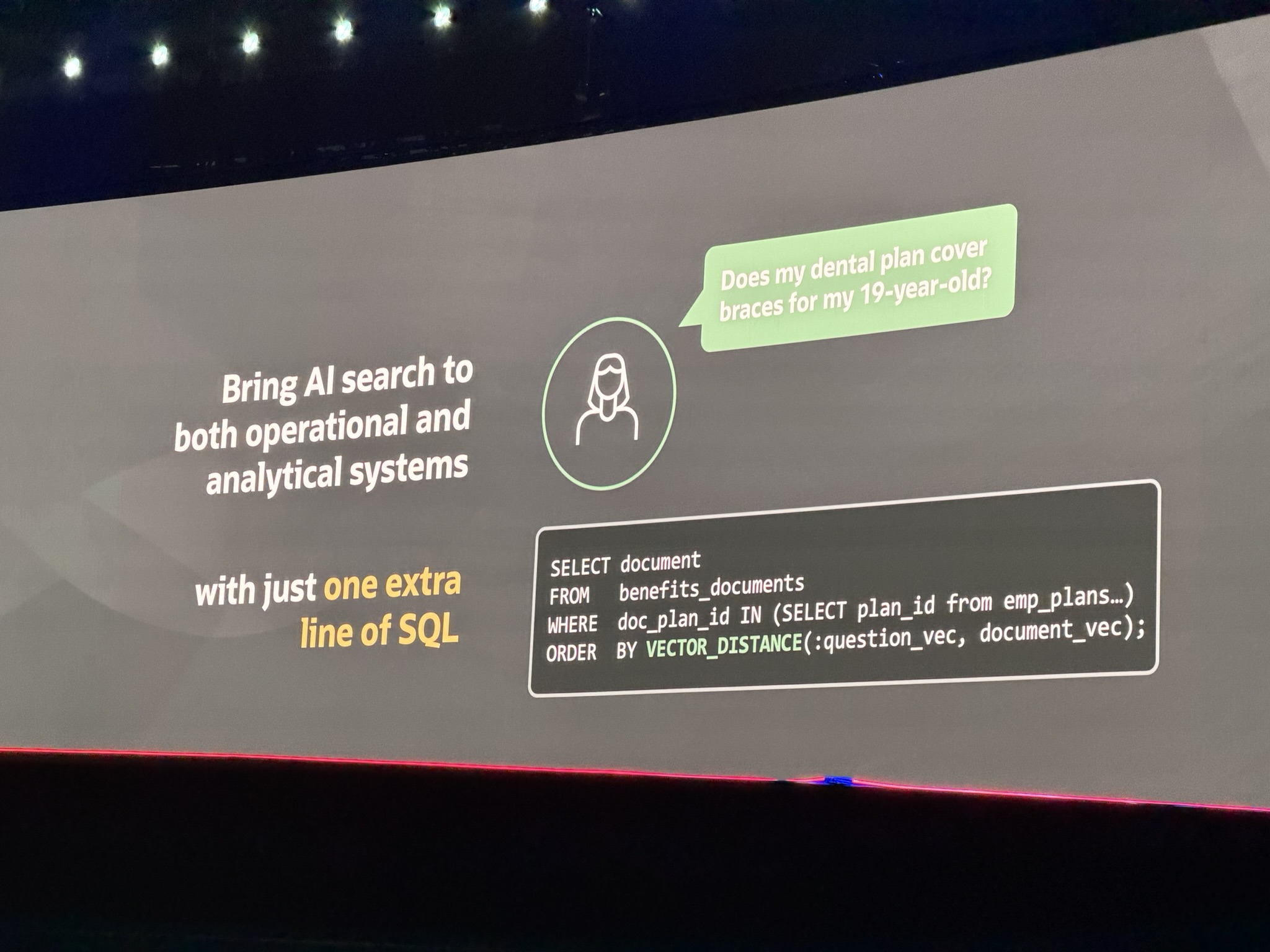
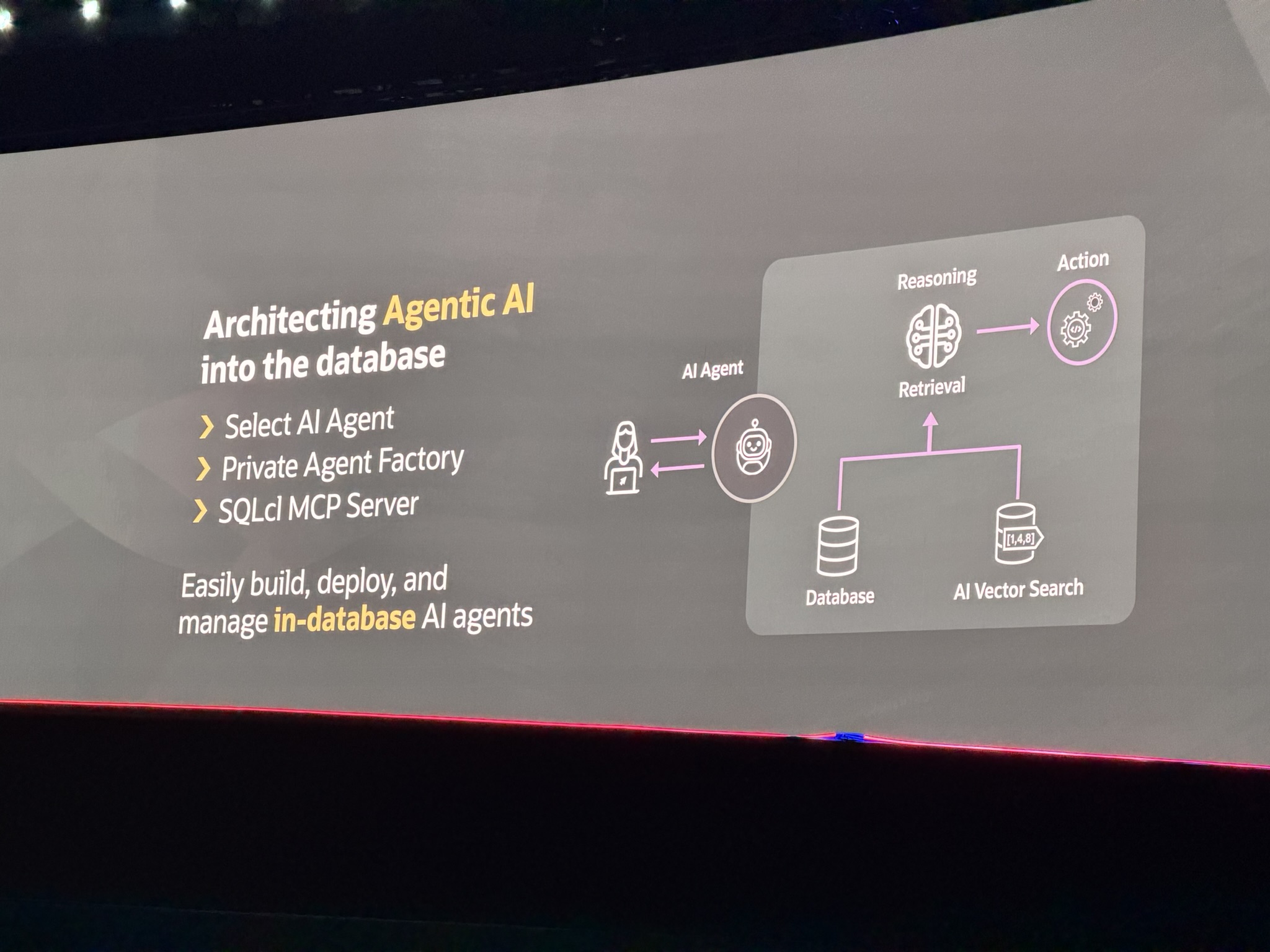
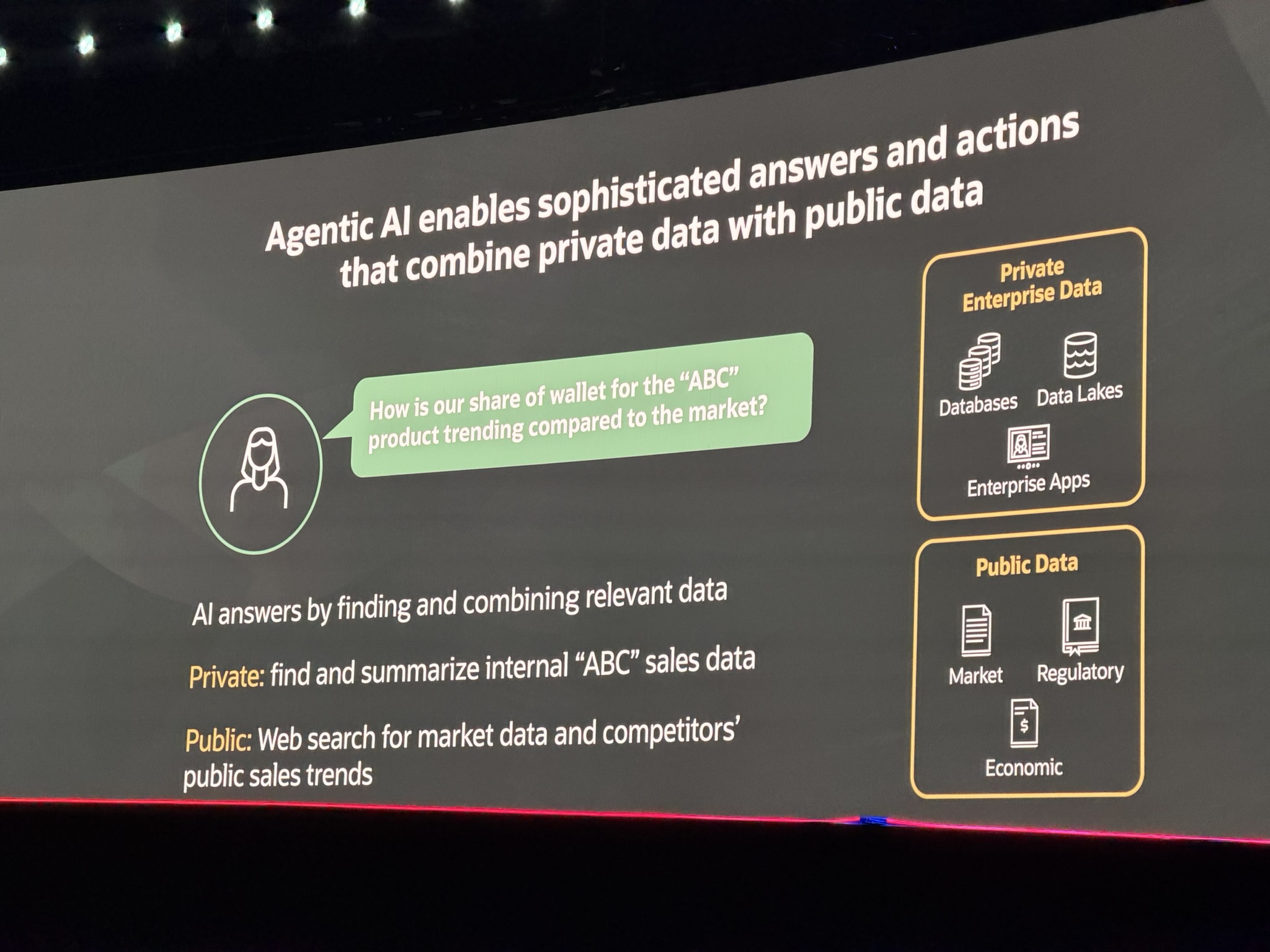
Next, he covered Retrieval Augmented Generation (RAG) and Agentic AI, explaining how they can deliver more sophisticated answers by blending private enterprise data with public data, unlocking richer, context aware responses.
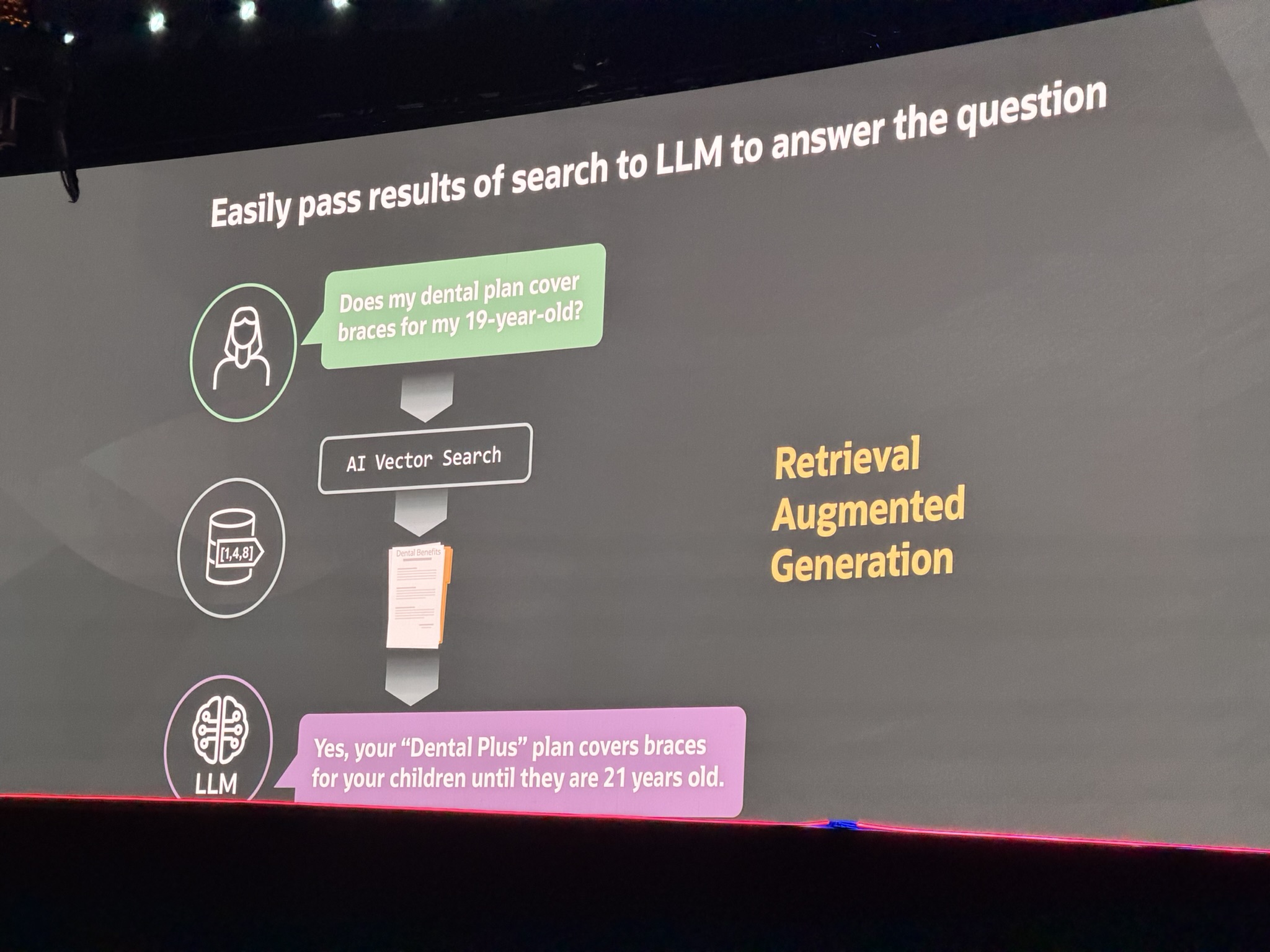
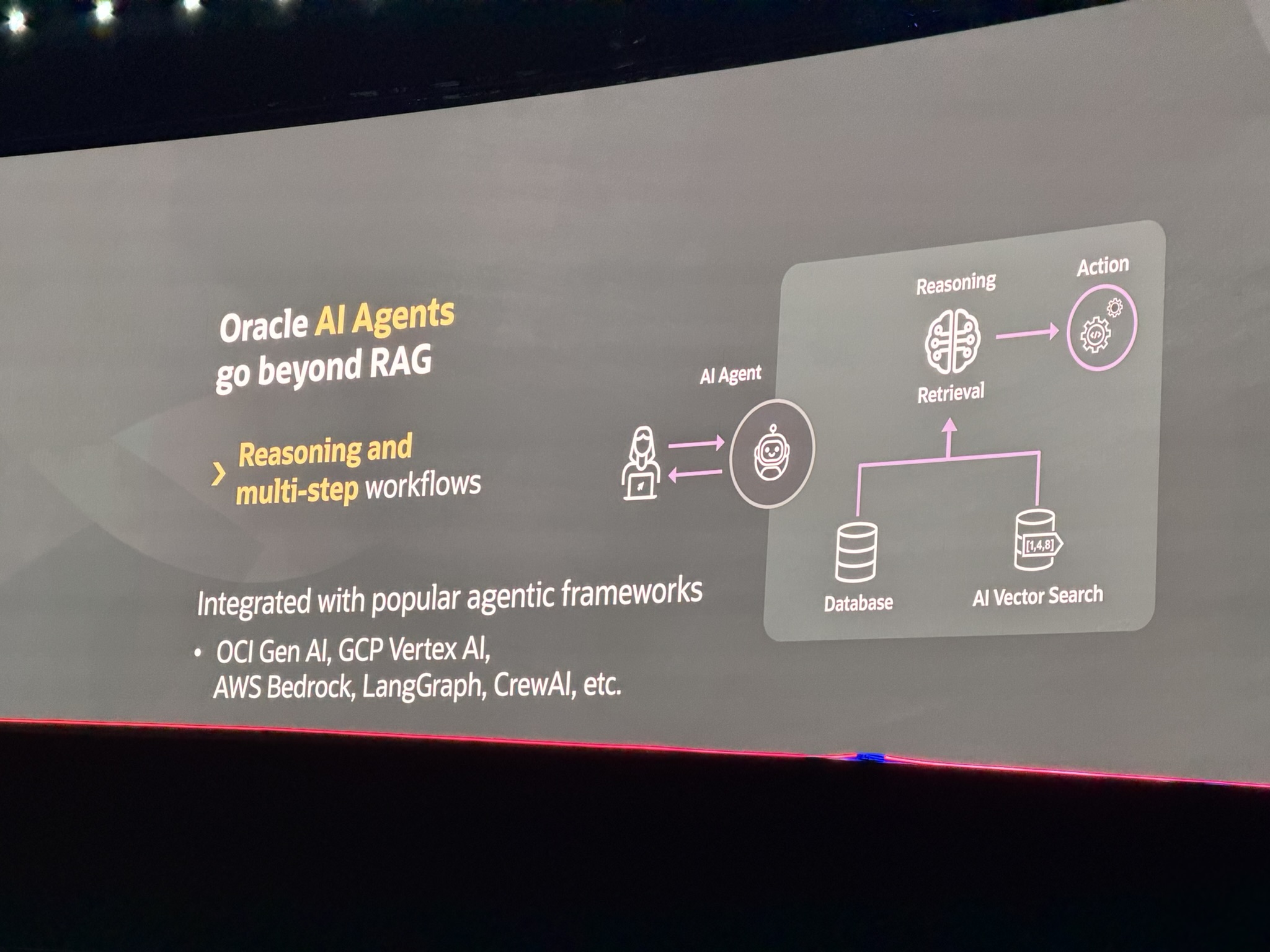
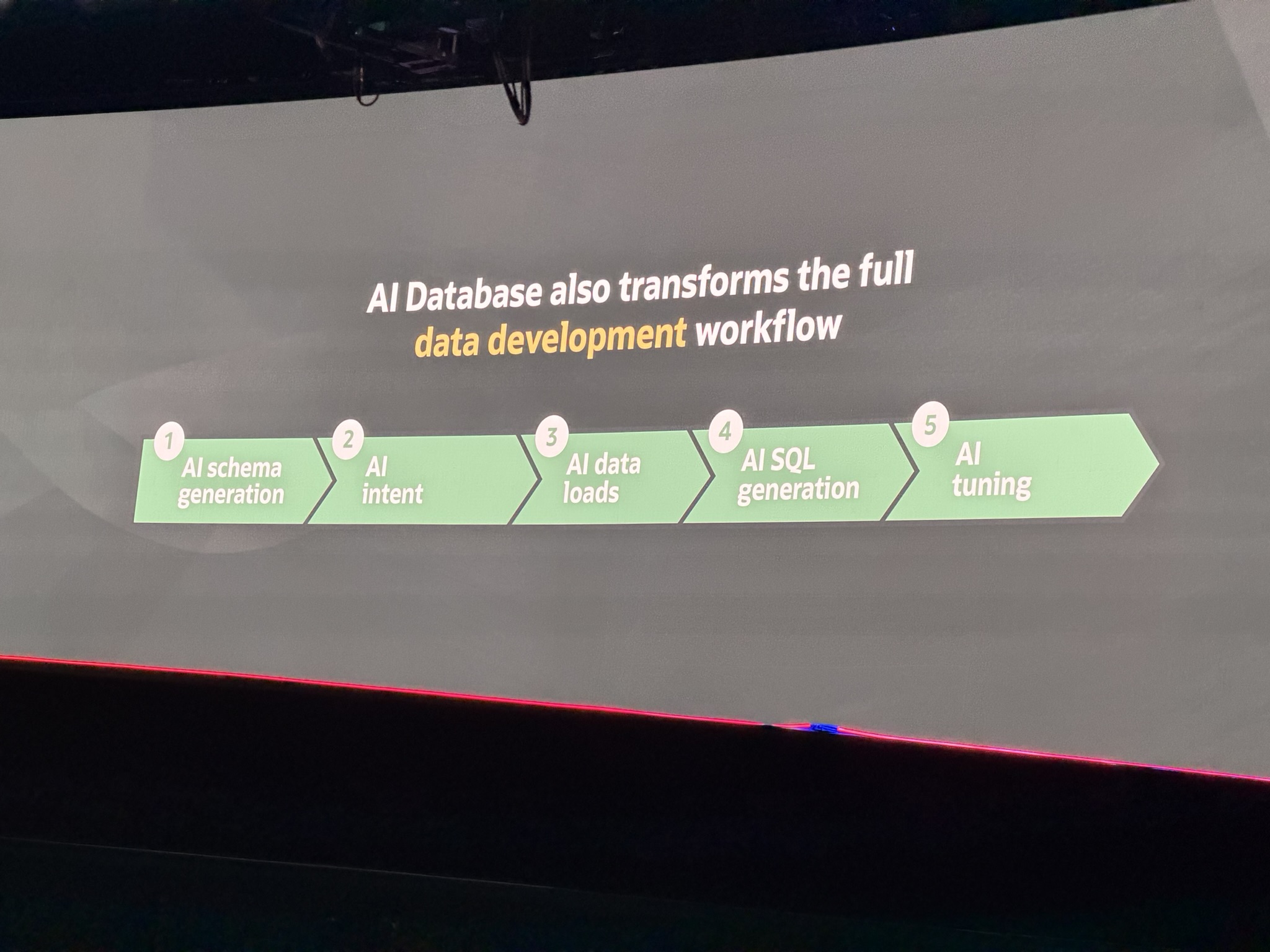
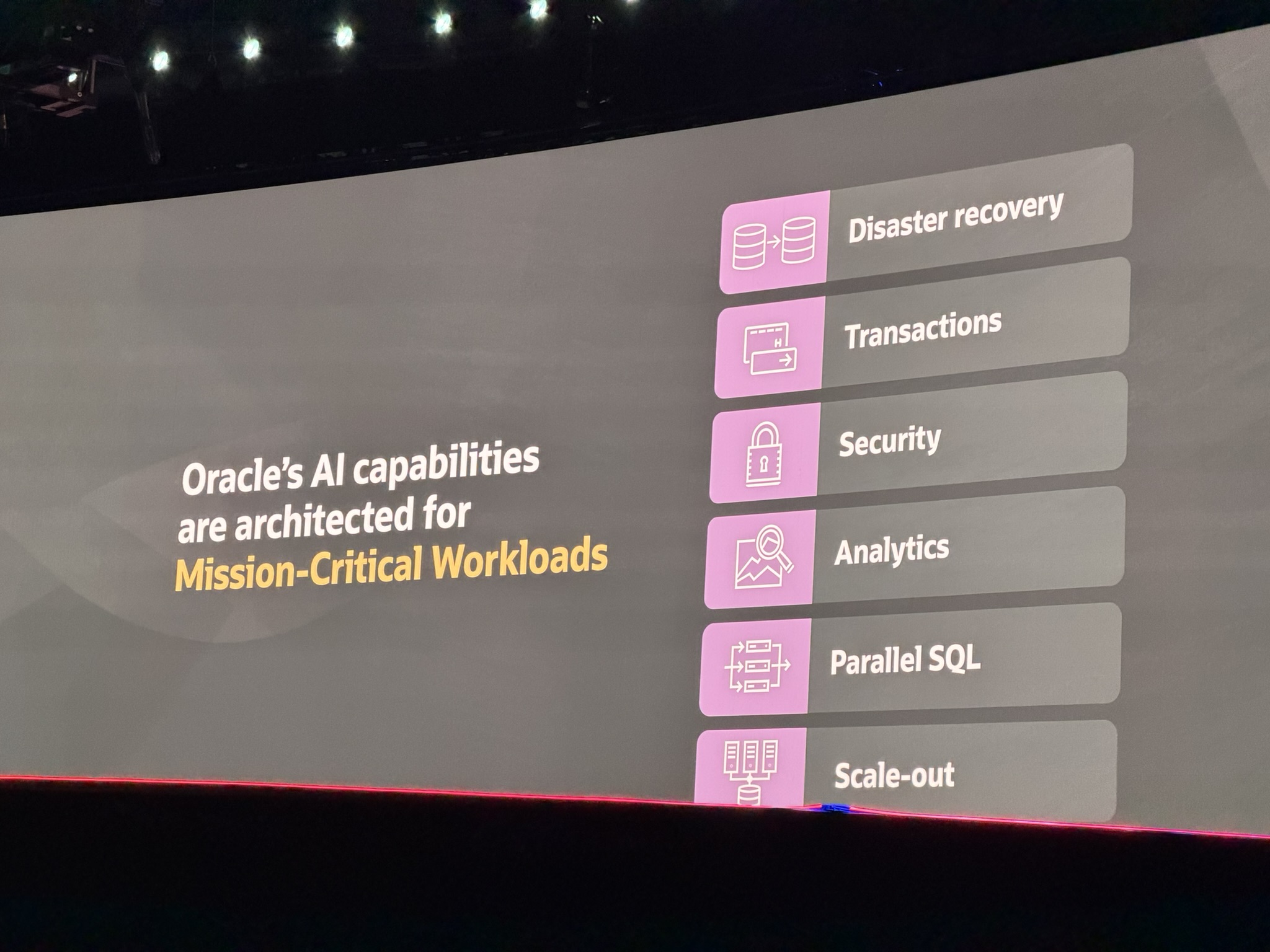
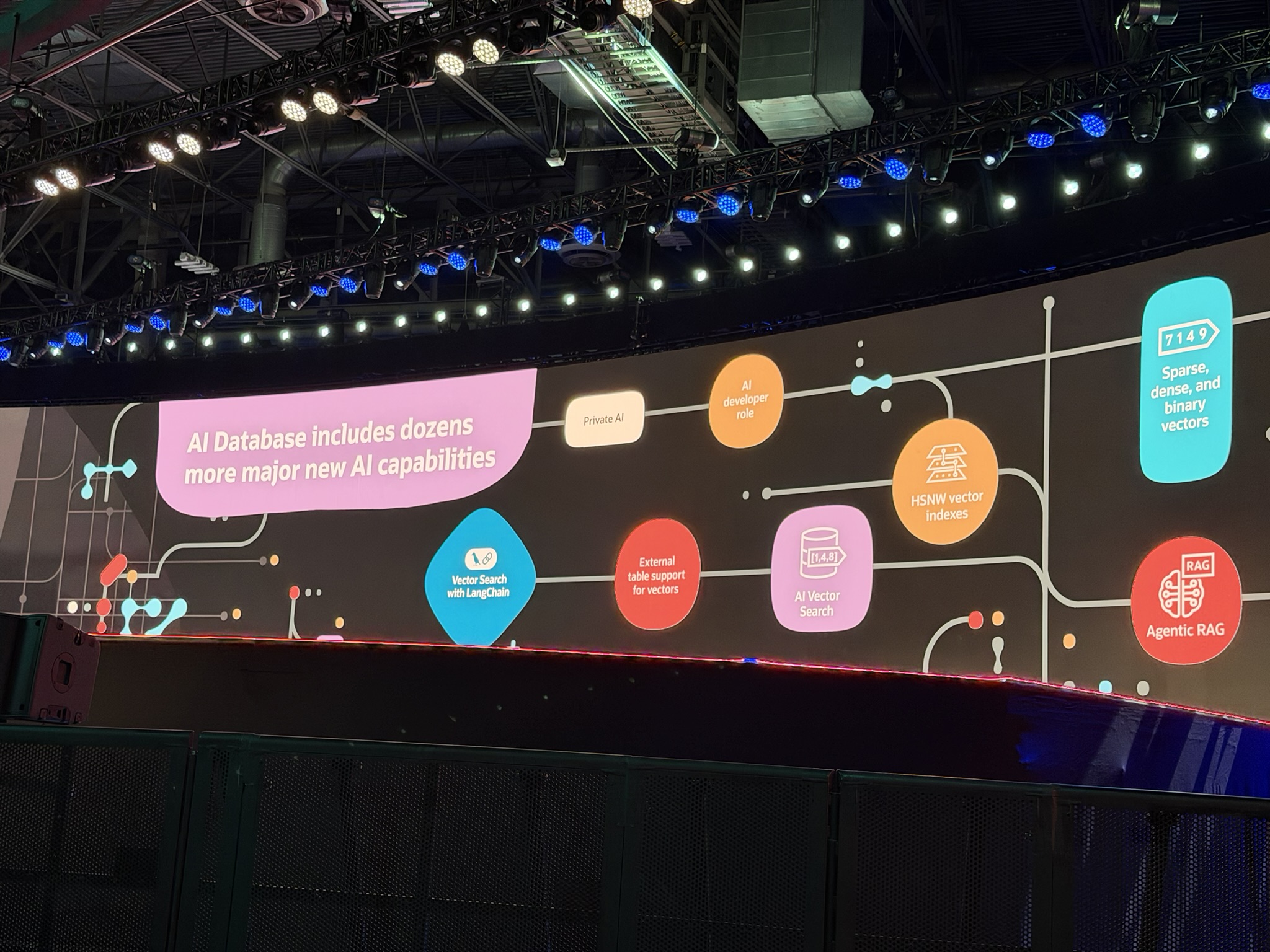
He finished off the AI Database segment by talking about how the AI database is also transforming the full data development workflow: generating schema using natural language, declaring data intent and semantics to LLMs using annotations, AI-assisted ETL pipeline creation, creating synthetic test data from production using AI, talking to your data and generating SQL with Select AI, and testing and optimising embedding models and LLMs for your data. He also highlighted how Oracle’s AI capabilities are architected for mission-critical workloads and that the AI database includes dozens more major new AI capabilities.
Segment 2: Architecting AI, Data, and App Dev Together – GenDev
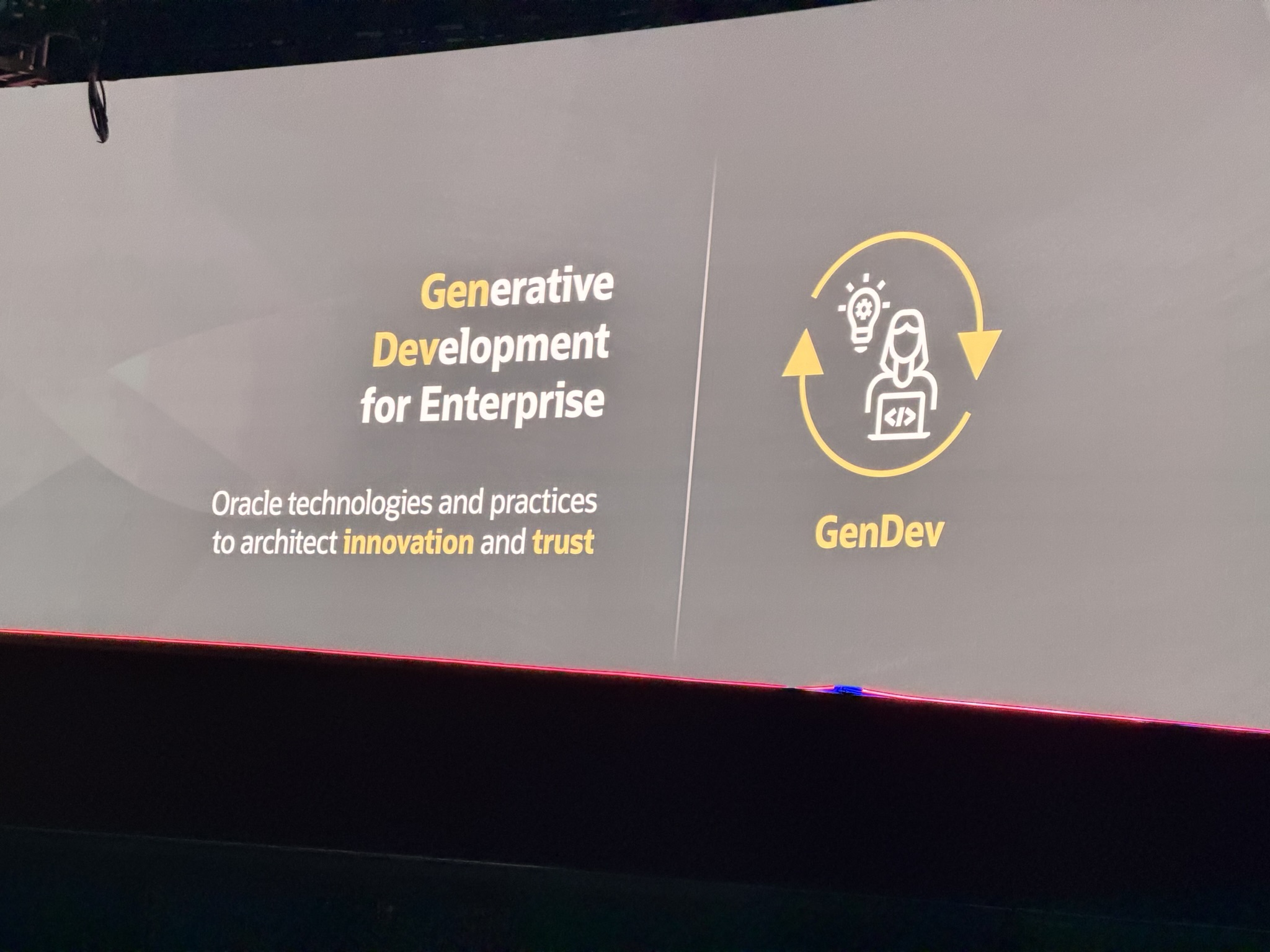
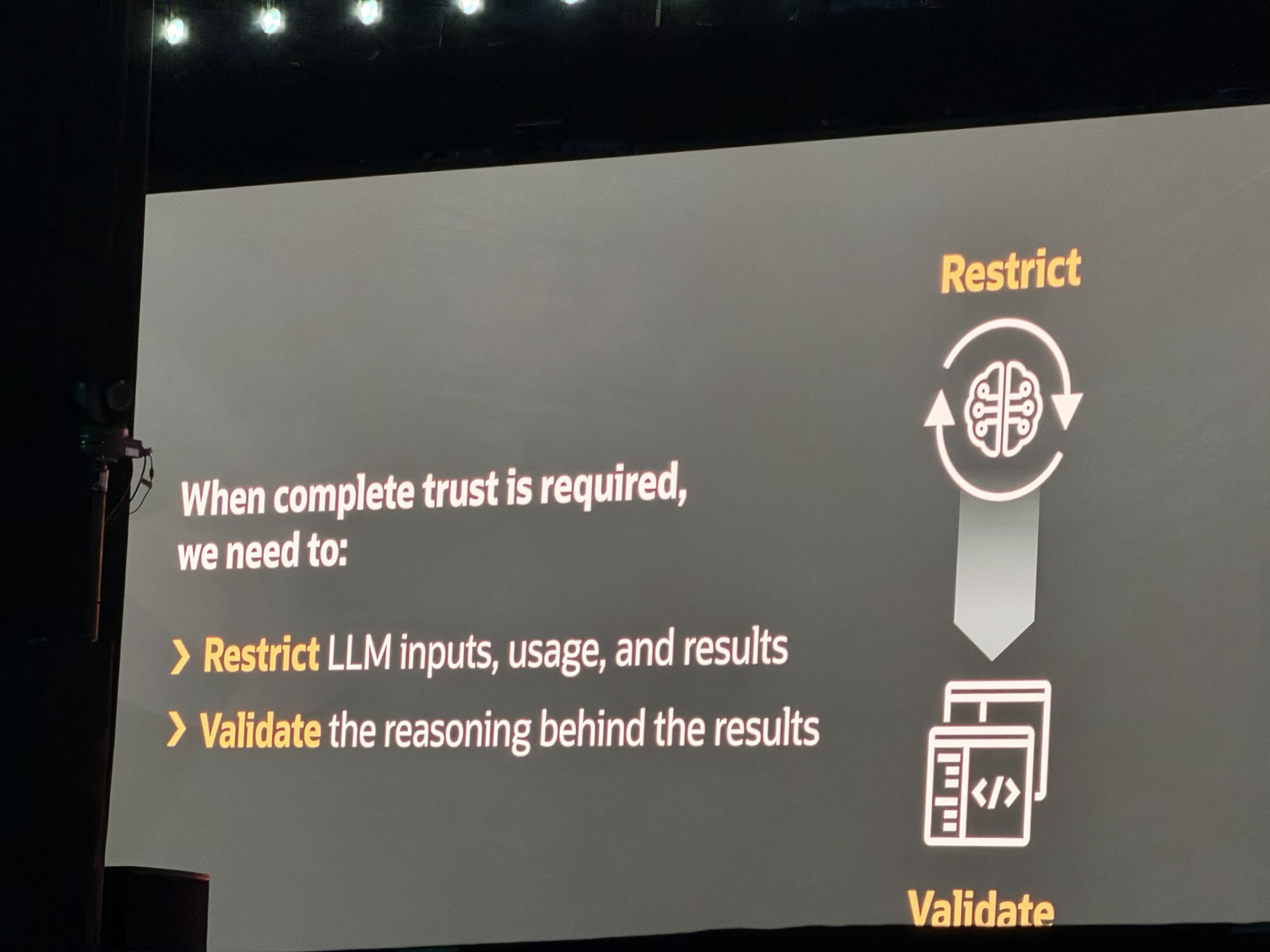
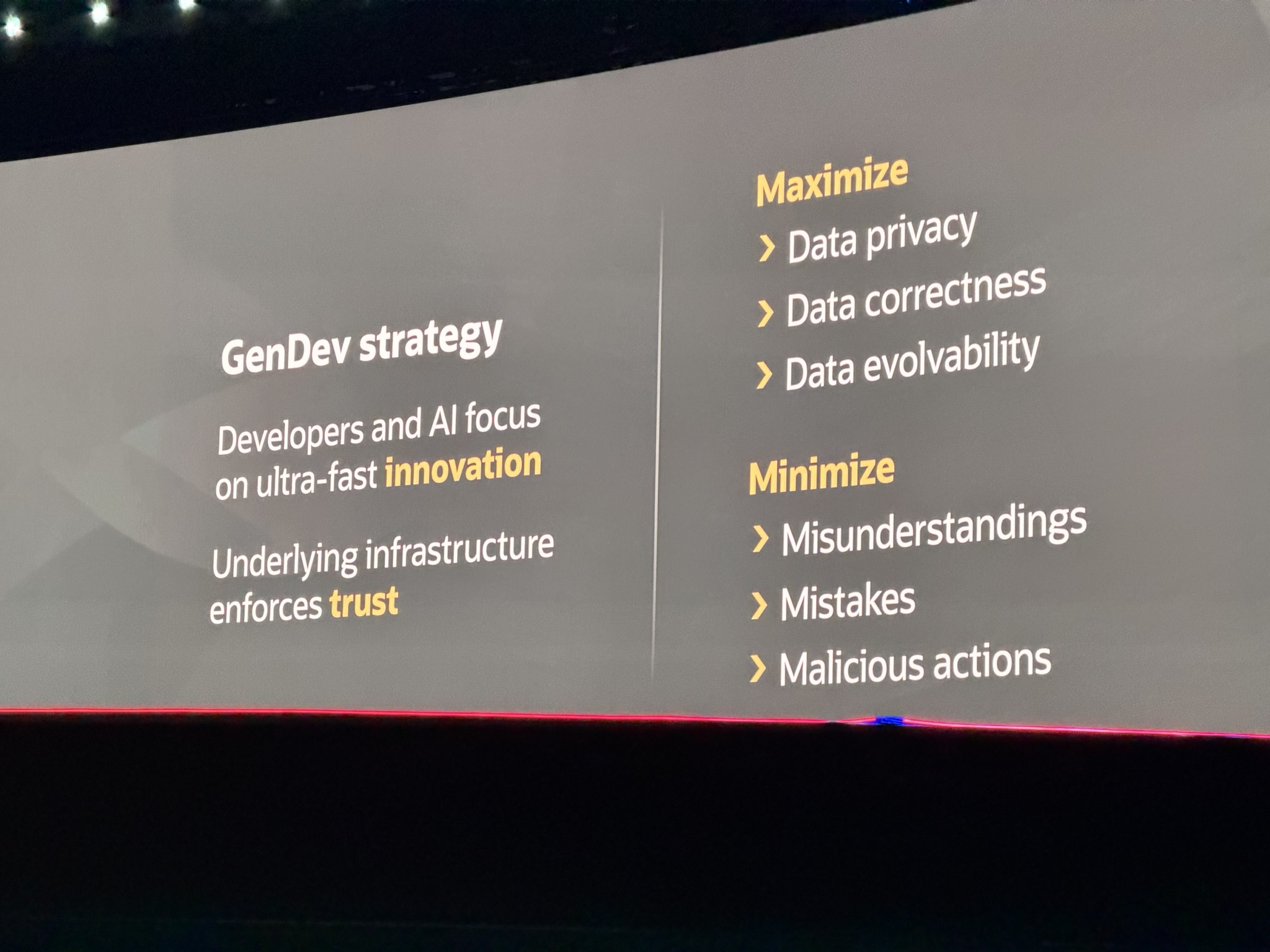
He next introduced Generative Development for Enterprise (GenDev), Oracle’s approach to AI-driven application development. Maximise innovation speed while ensuring apps are secure, correct, and dependable.
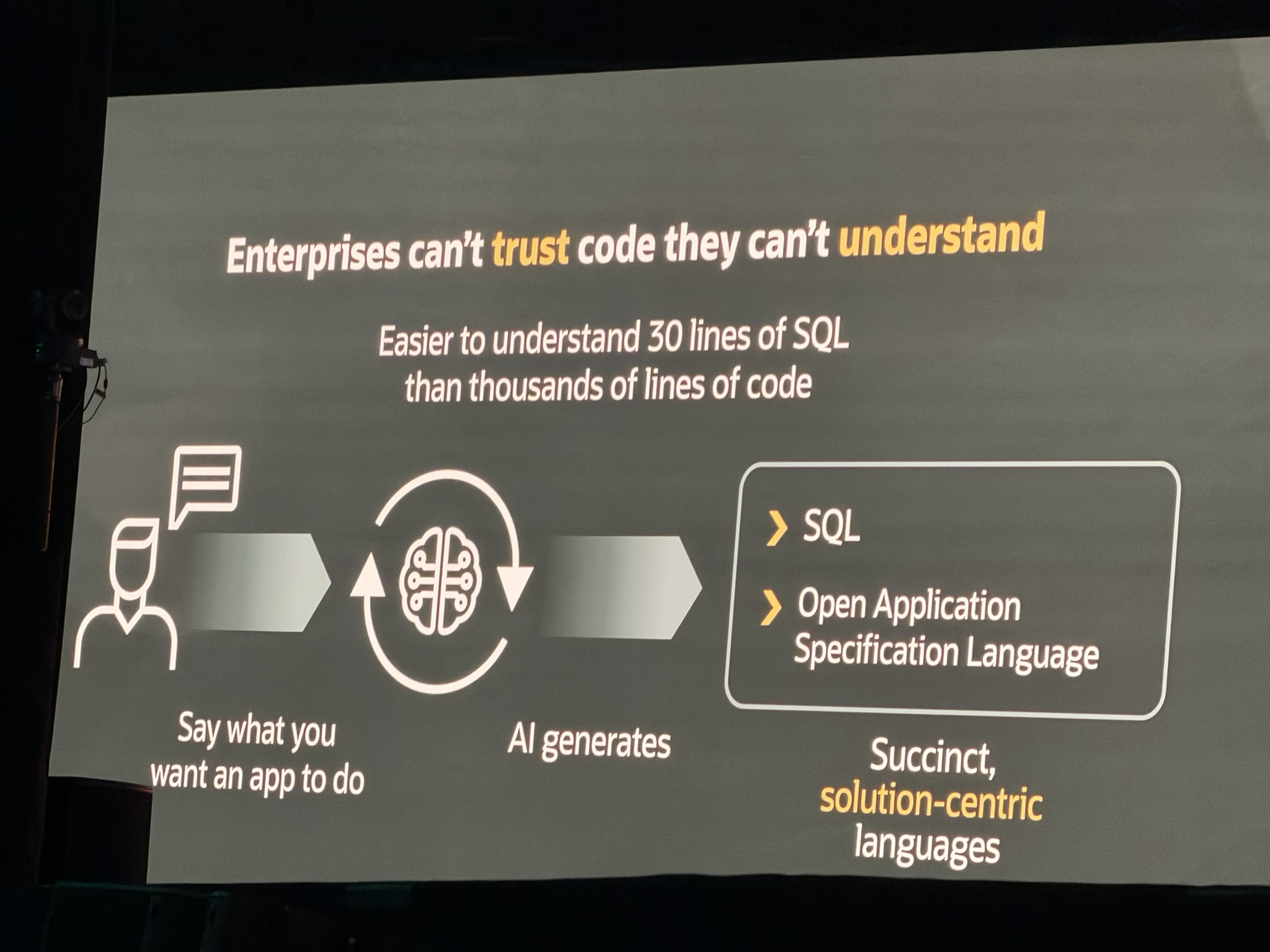
He explained what makes GenDev different, instead of generating thousands of lines of low-level, un-auditable code, GenDev uses high-level, solution-centric languages:
- SQL: Proven for data operations
- Open Application Specification Language: Declaratively defines what an app should do, not how
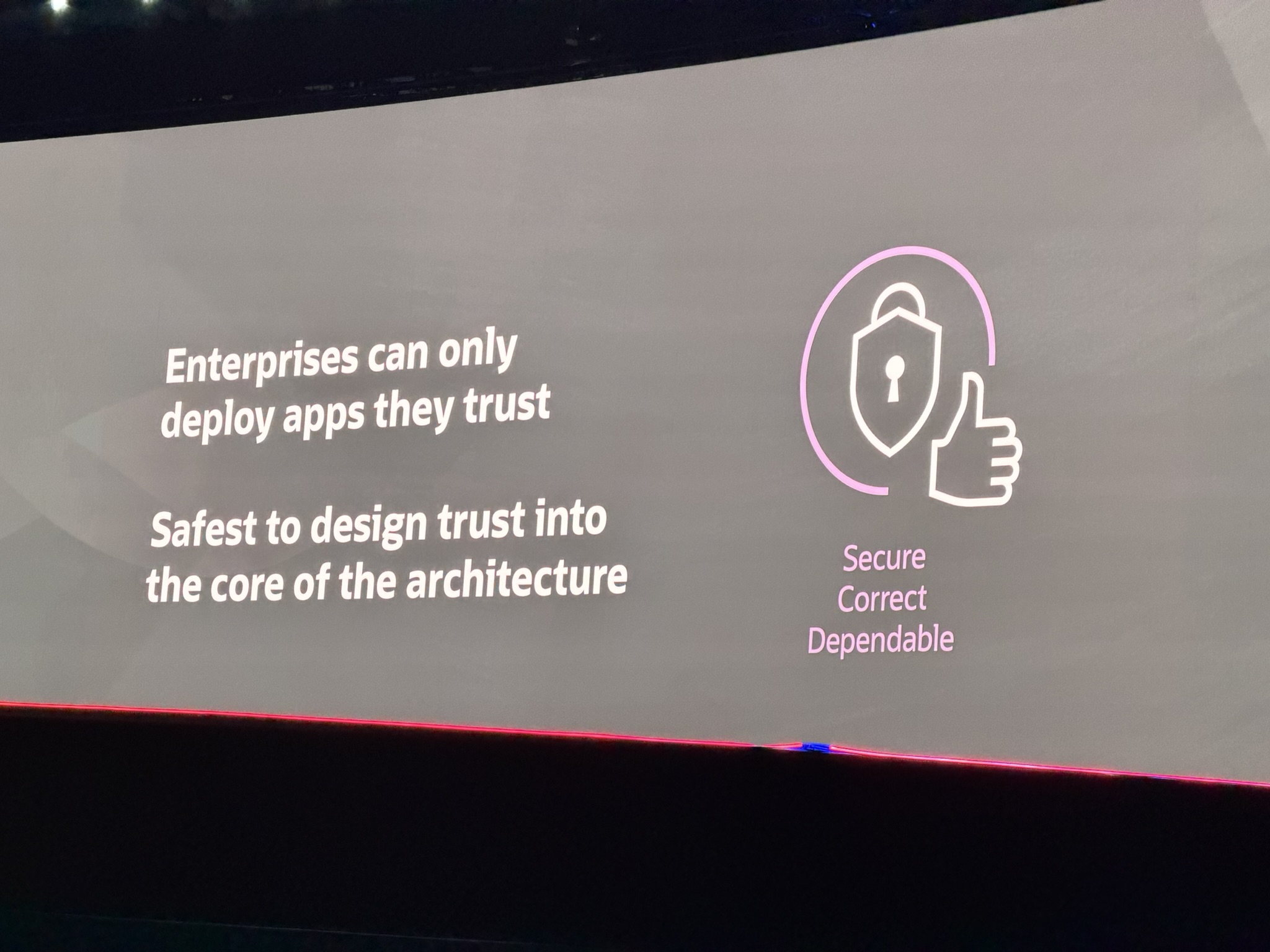
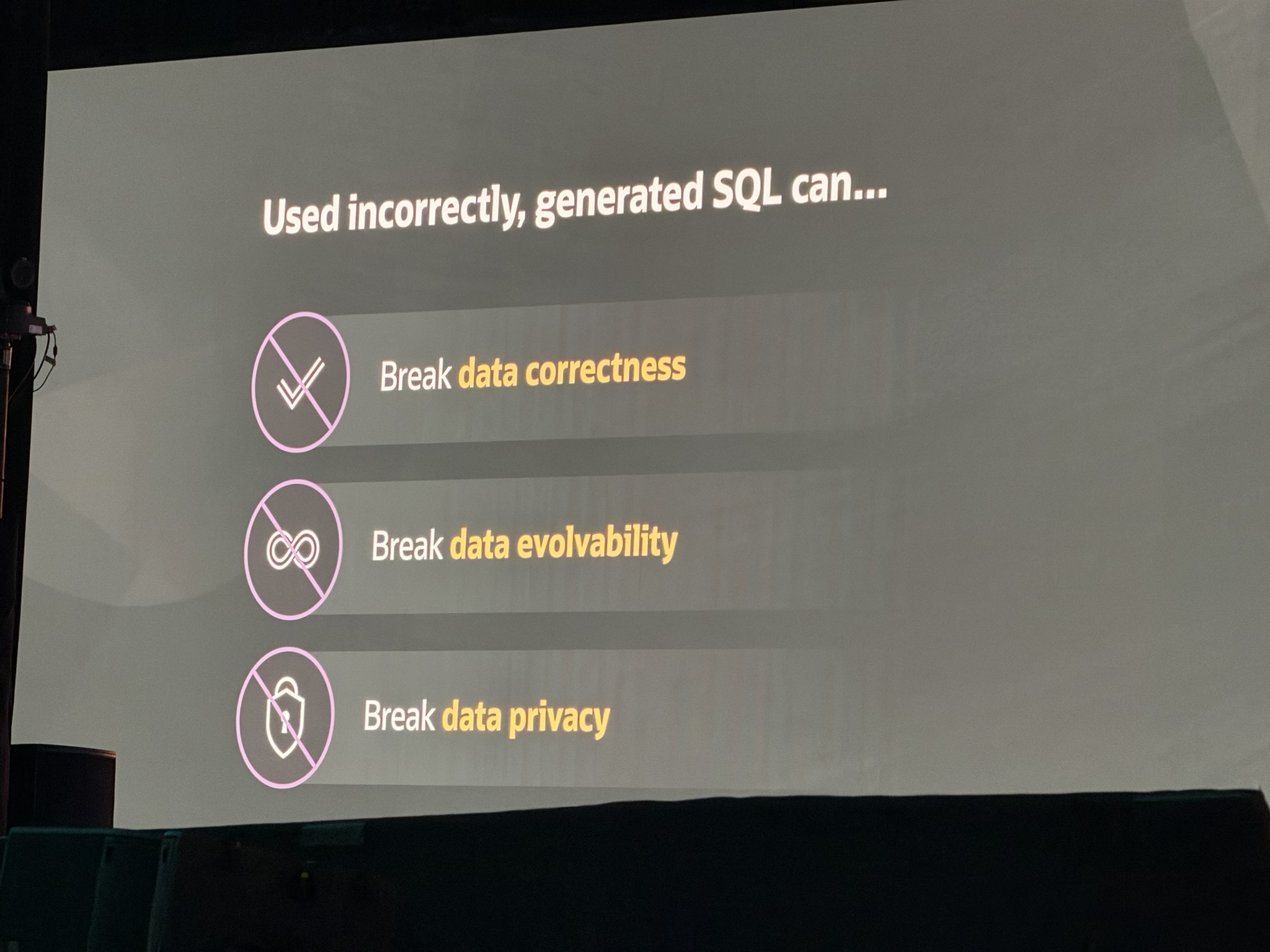
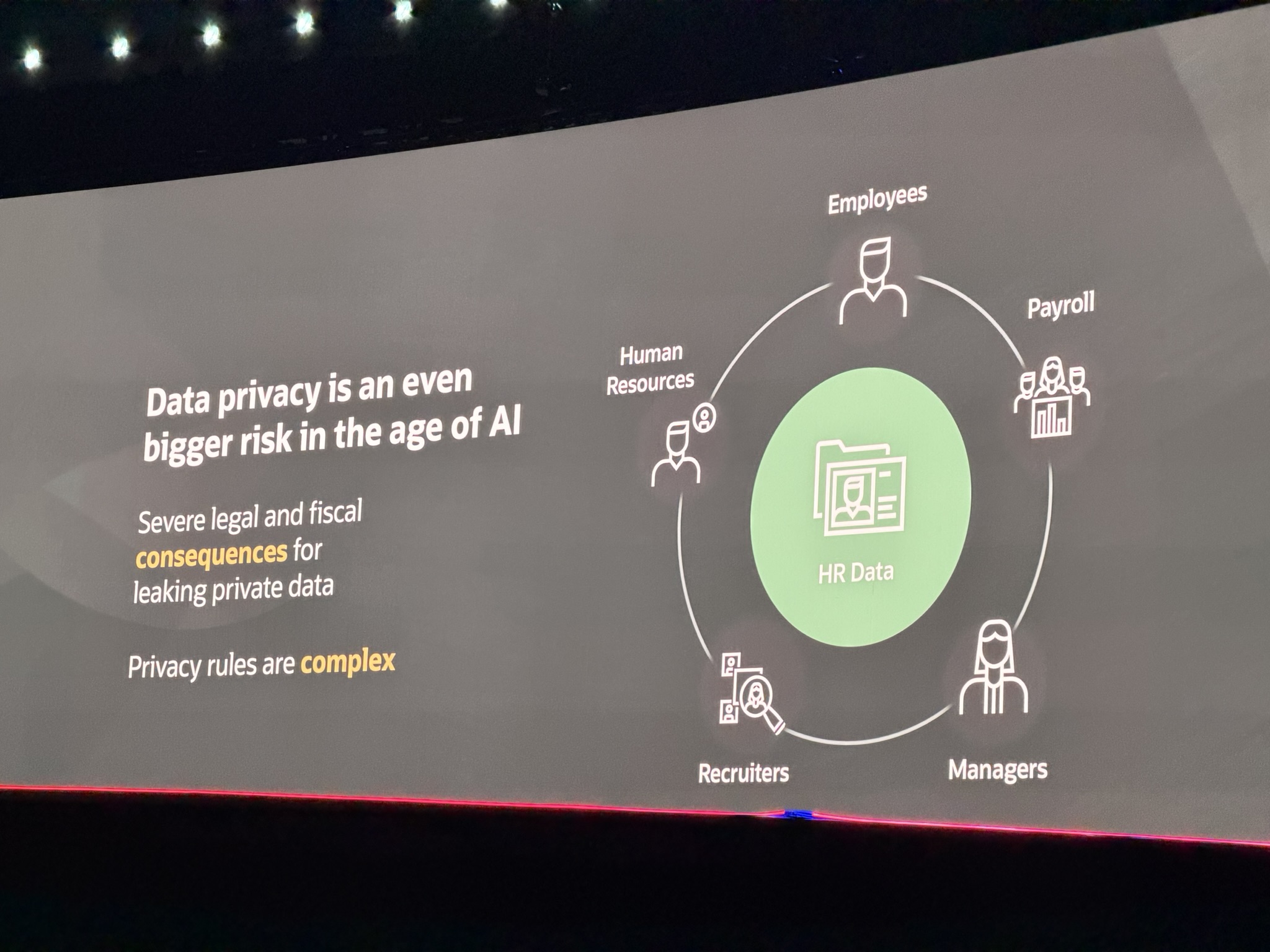
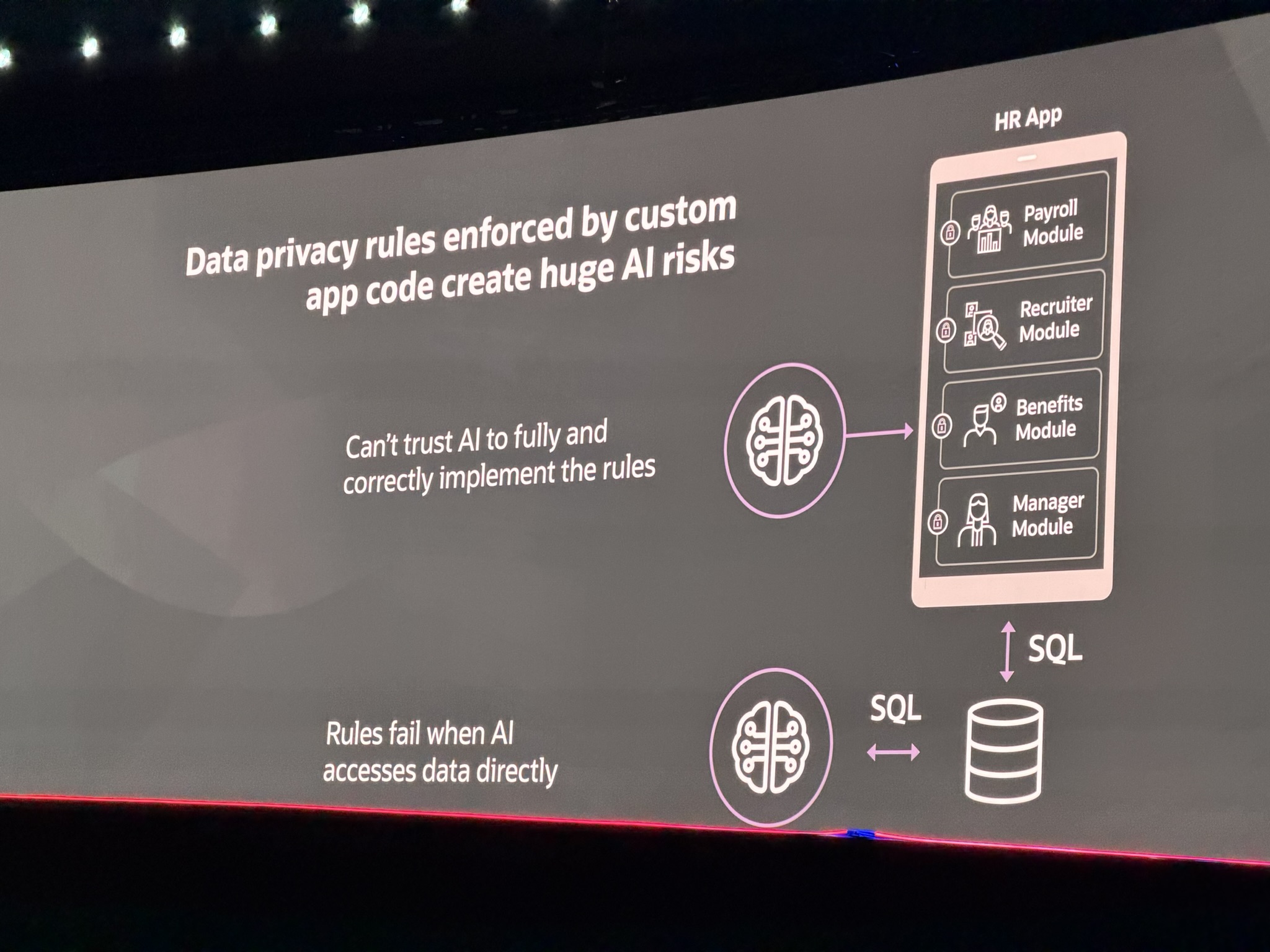
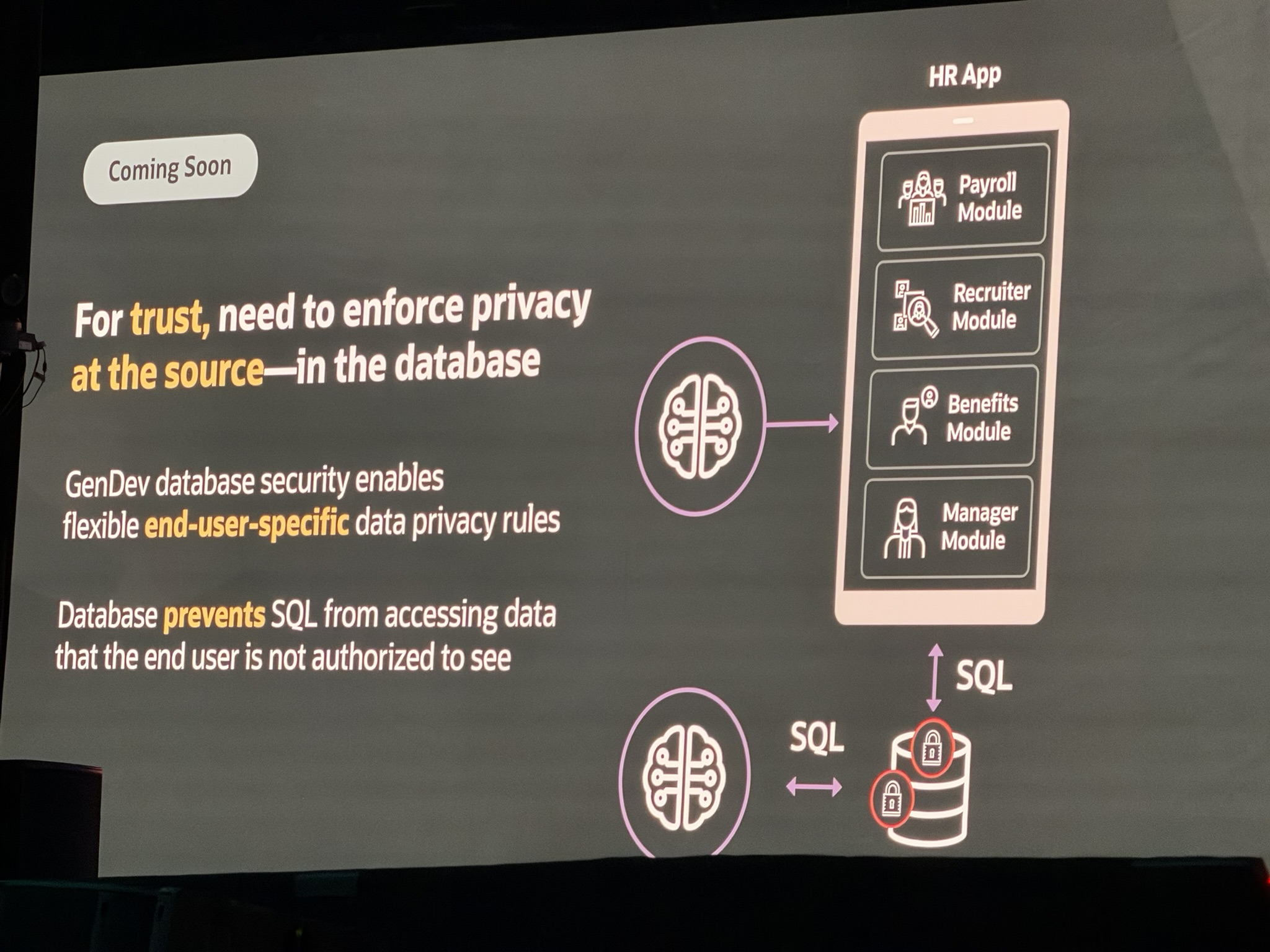
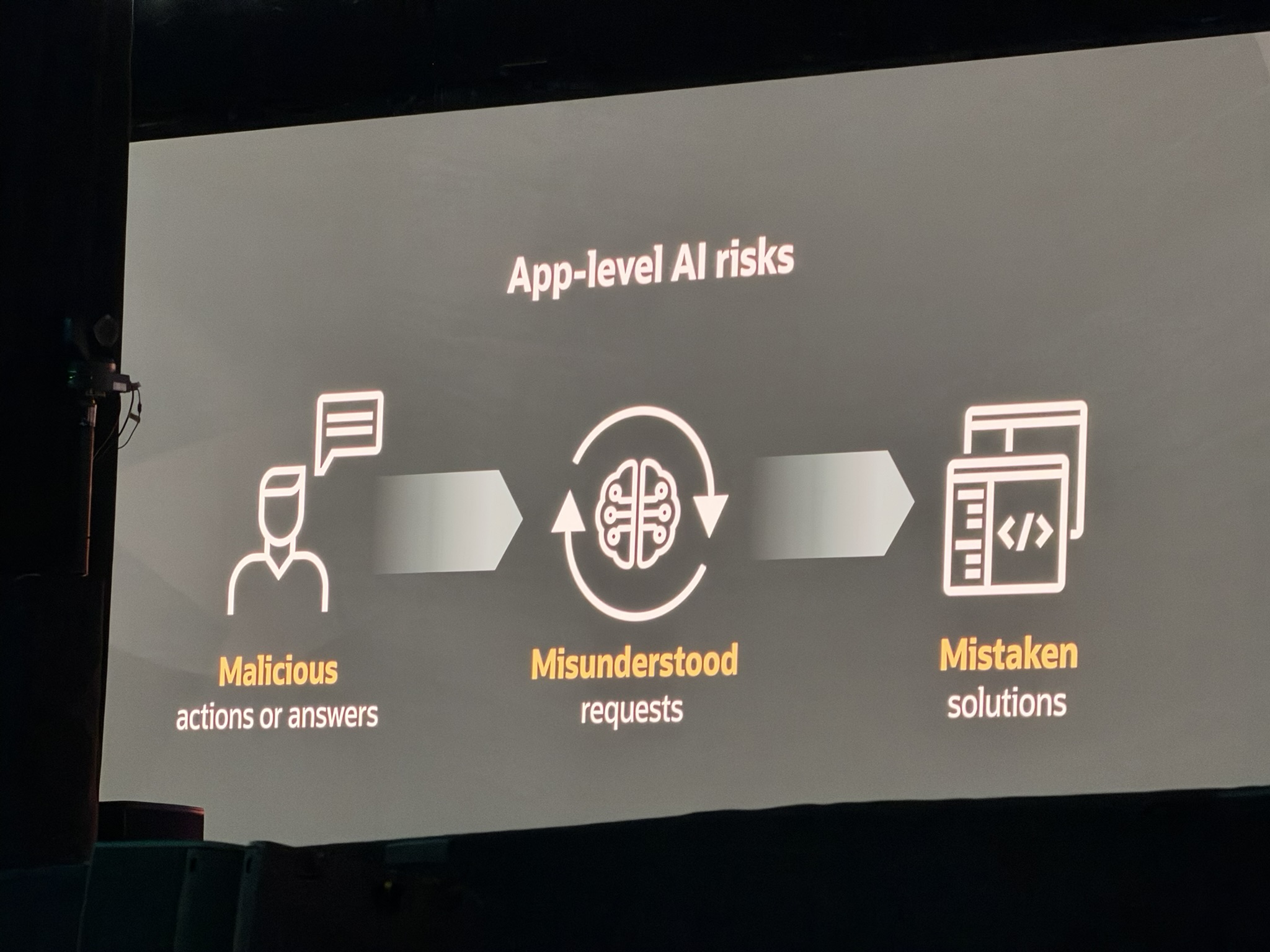
How it’s tackling critical risks, by addresses three big challenges:
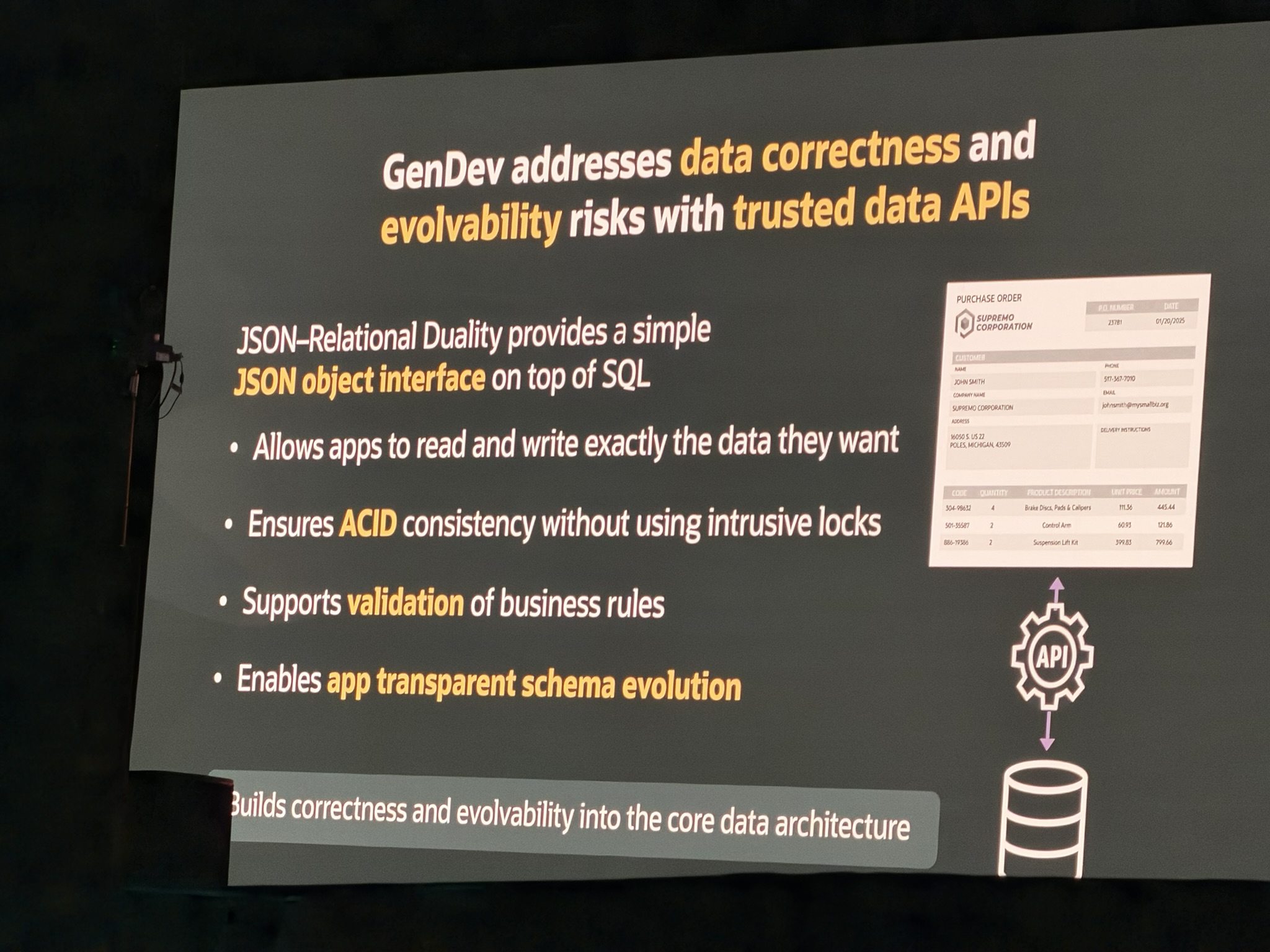
- Data Correctness & Evolvability
Uses Trusted Data APIs built on JSON Relational Duality to enforce business rules, maintain ACID consistency, and decouple apps from schema - Data Privacy
Privacy is enforced at the source via Oracle’s rules engine, ensuring any SQL, human or AI-generated, returns only authorised data - Application-Level Trust
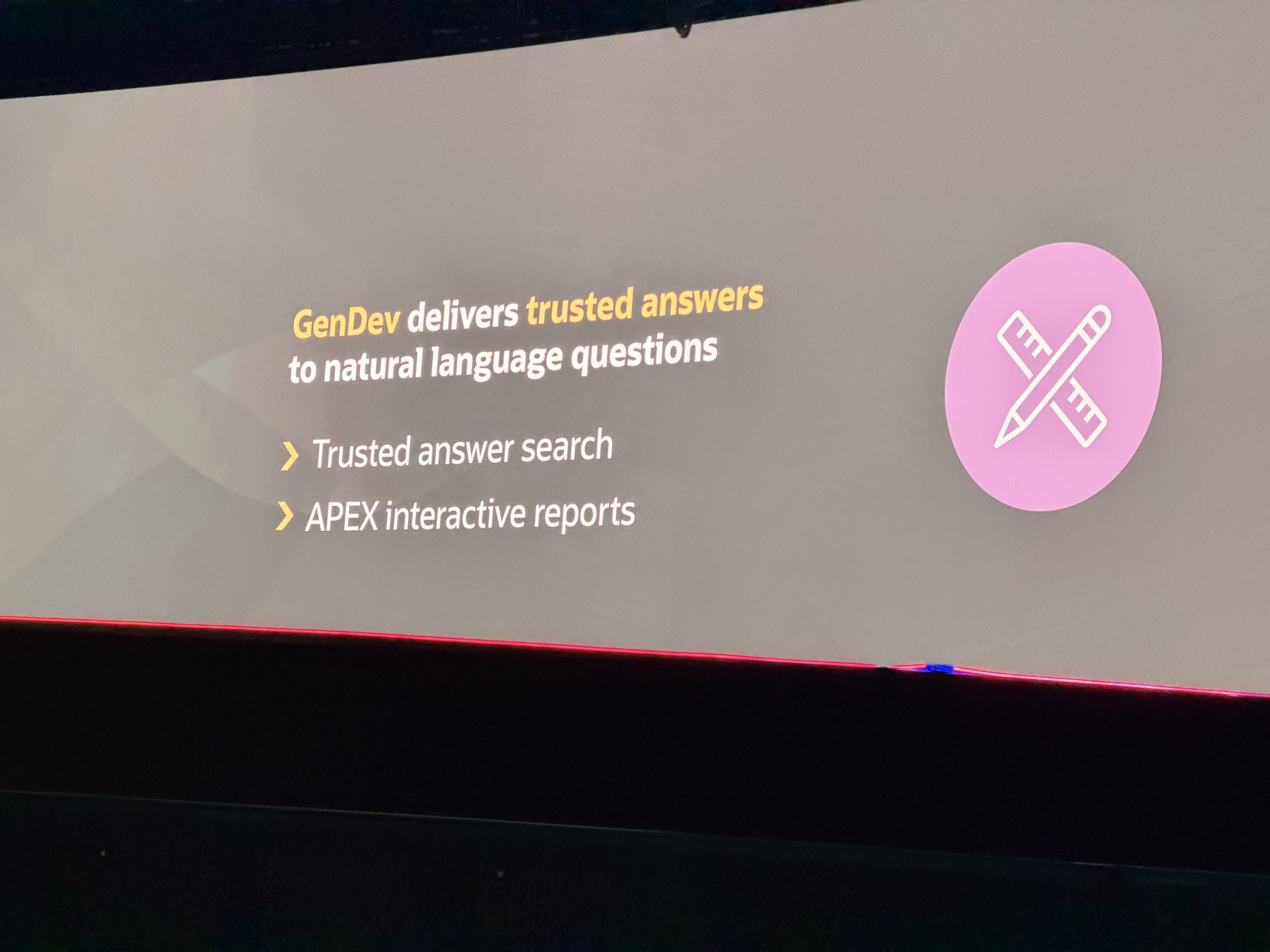
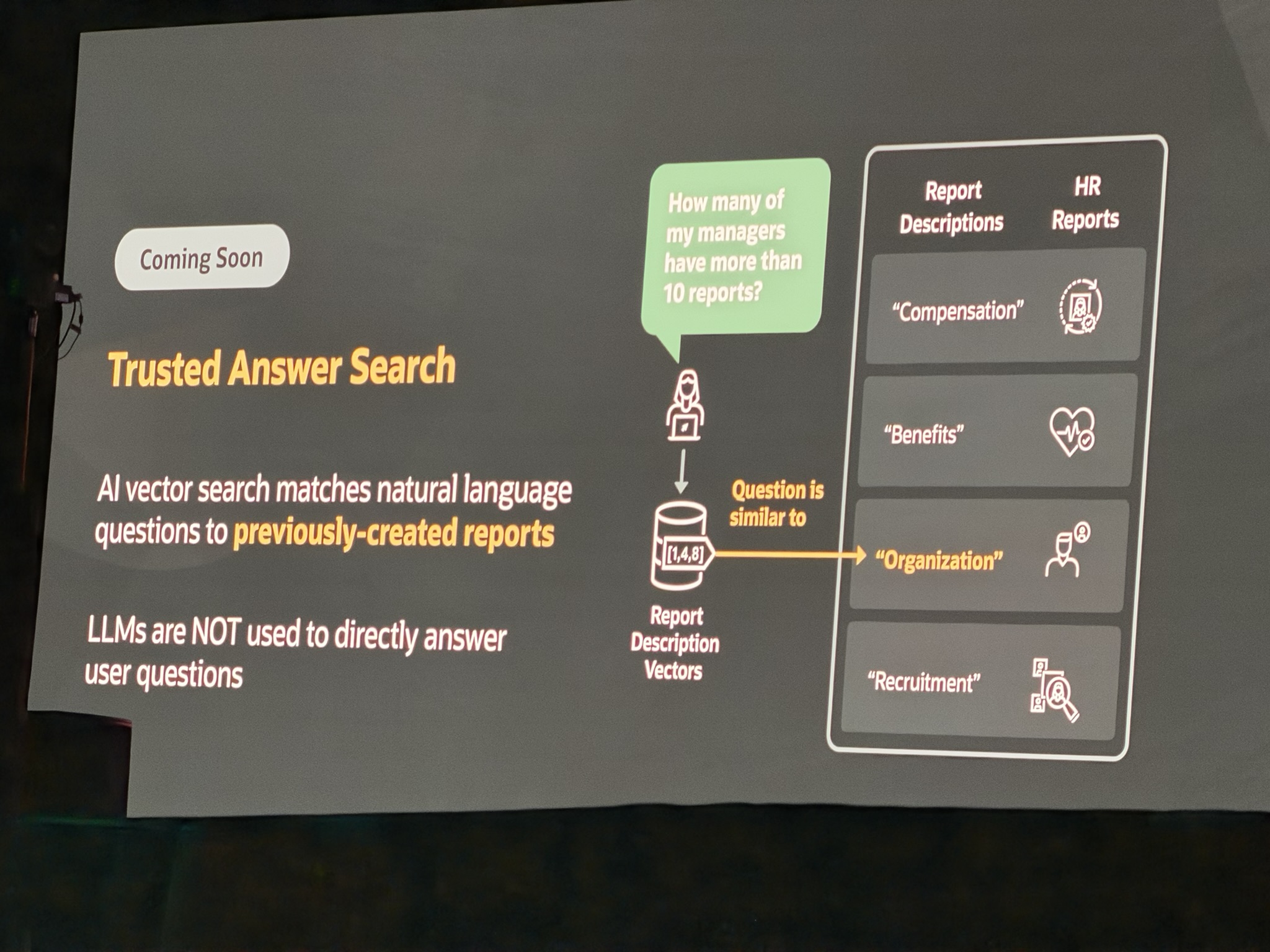
Prevents LLM hallucinations by translating natural language queries into transparent, auditable report settings e.g. Apex interactive reports
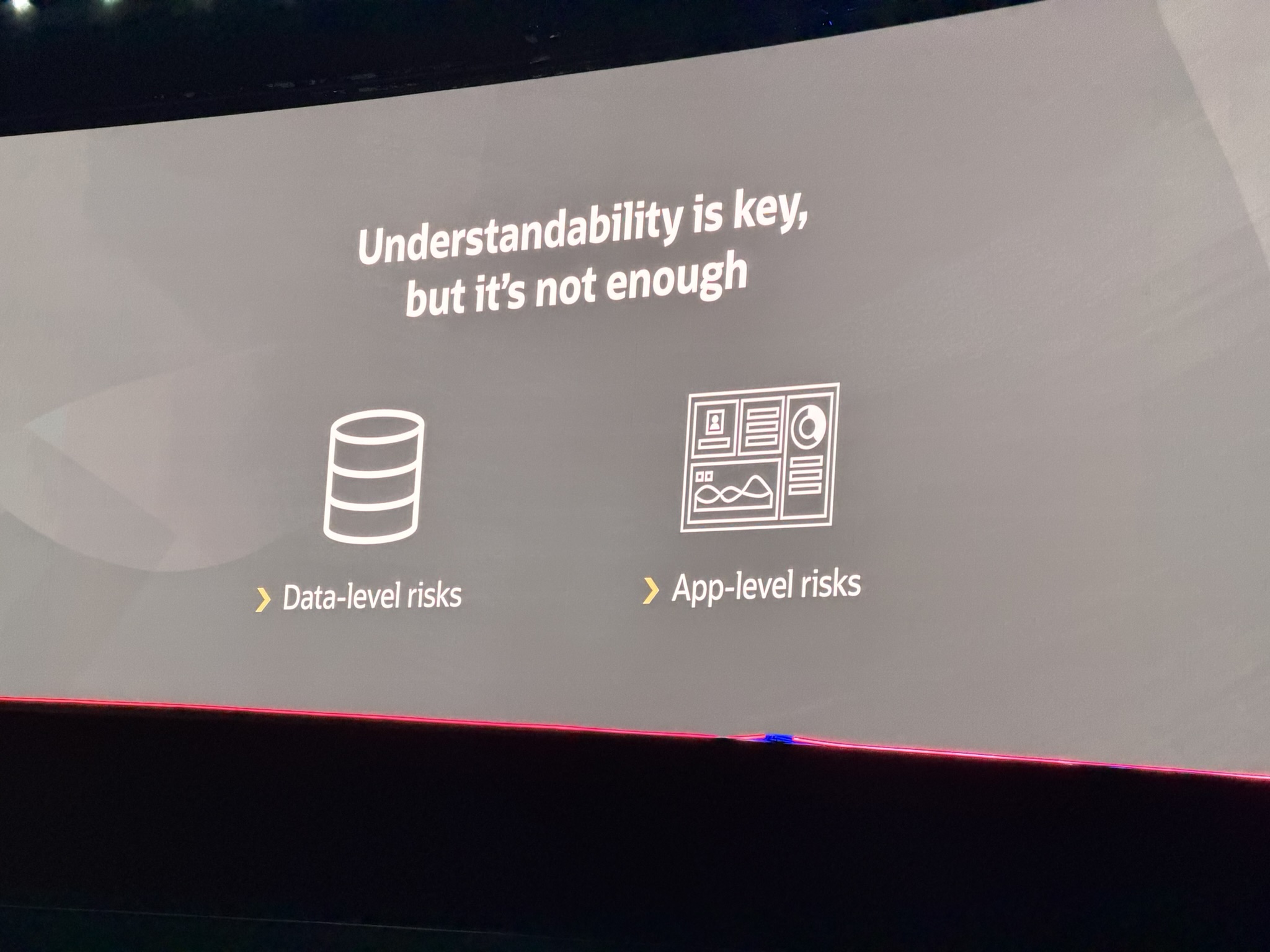
He finished off the AI App Dev segment talking about how Apex Goes AI-Native. Oracle is re-architecting Apex into an AI-native app generator:
- Developers describe apps in natural language
- Apex converts this into an Open App Specification, compiles it, and ensures secure data access via Trusted Data APIs
He concluded that GenDev isn’t just about speed, it’s about building AI-powered apps you can trust.
Segment 3: Architecting AI, Data, and Open Standards Together – The AI Lakehouse
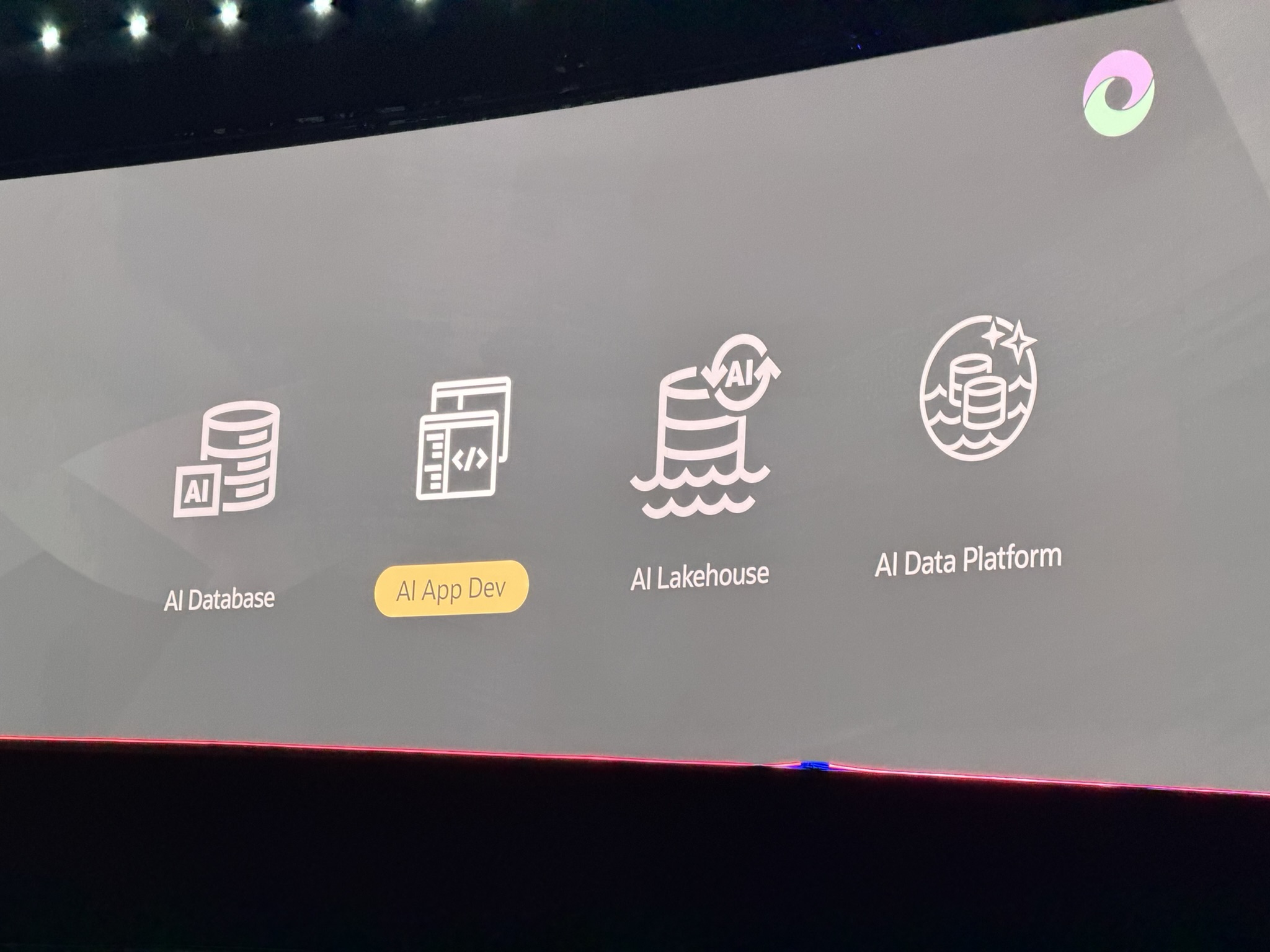
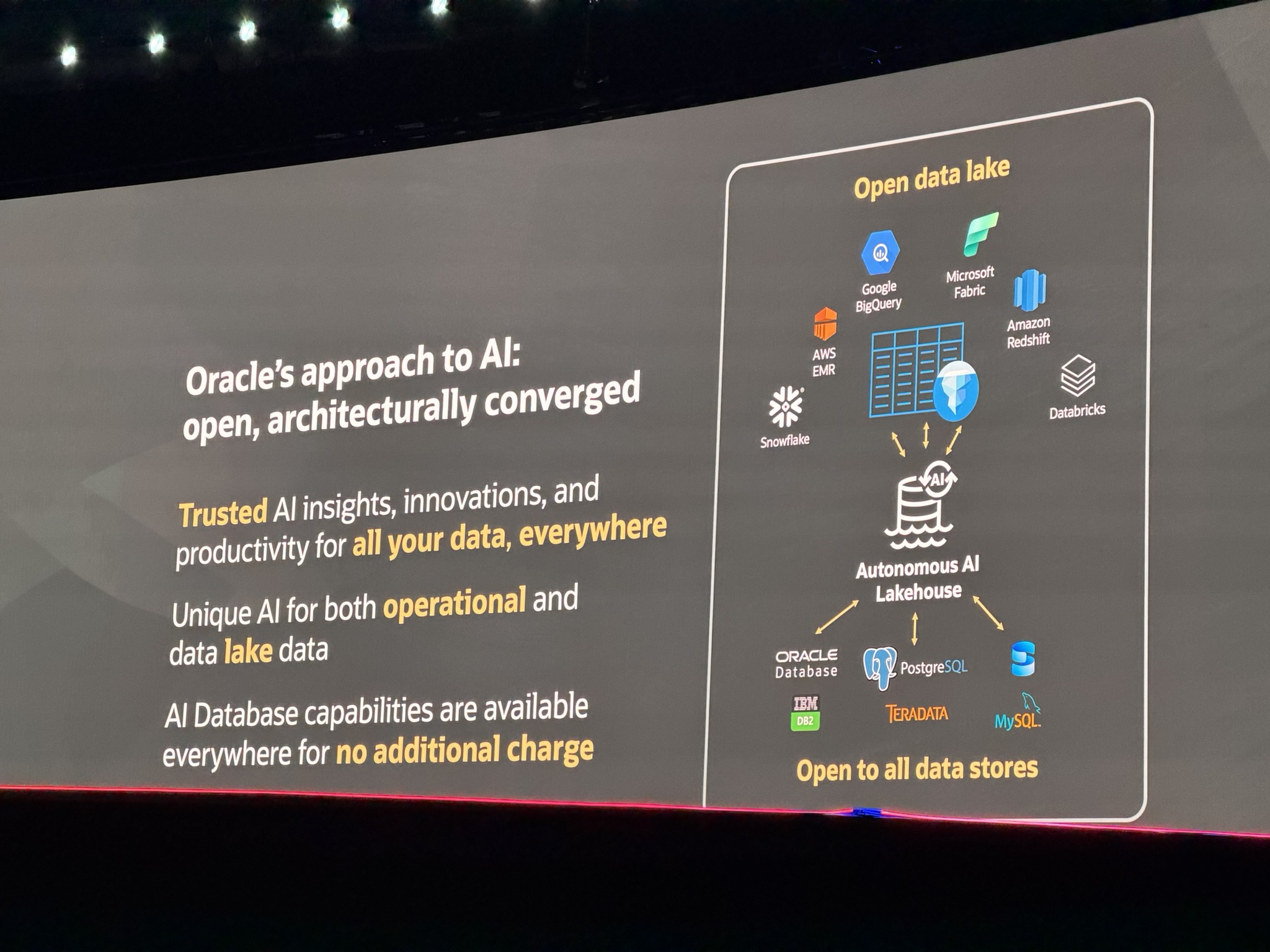
He next introduced Oracle AI Lakehouse, the strategy/concept where Oracle is extending its AI capabilities beyond its own database to all enterprise data, reinforcing its commitment to openness and flexibility.
This is interesting because Microsoft takes a Software as a Service (SaaS) first approach with Fabric, a unified data platform that brings together analytics, data engineering, and AI, powered by Azure AI Foundry. Oracle is pursuing a similar vision but with a database-centric strategy, embedding AI deeply into its core data architecture rather than layering it on top.
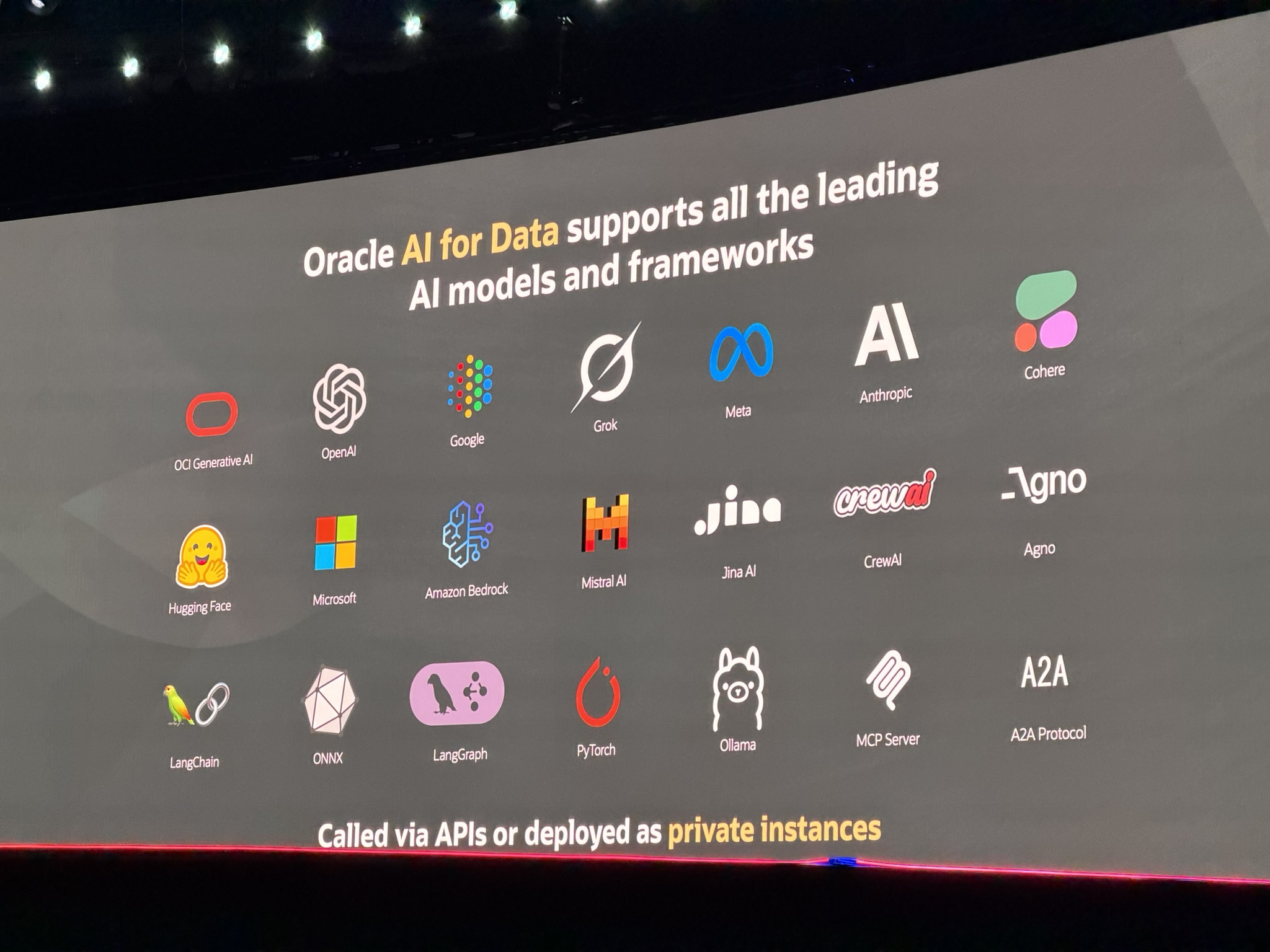
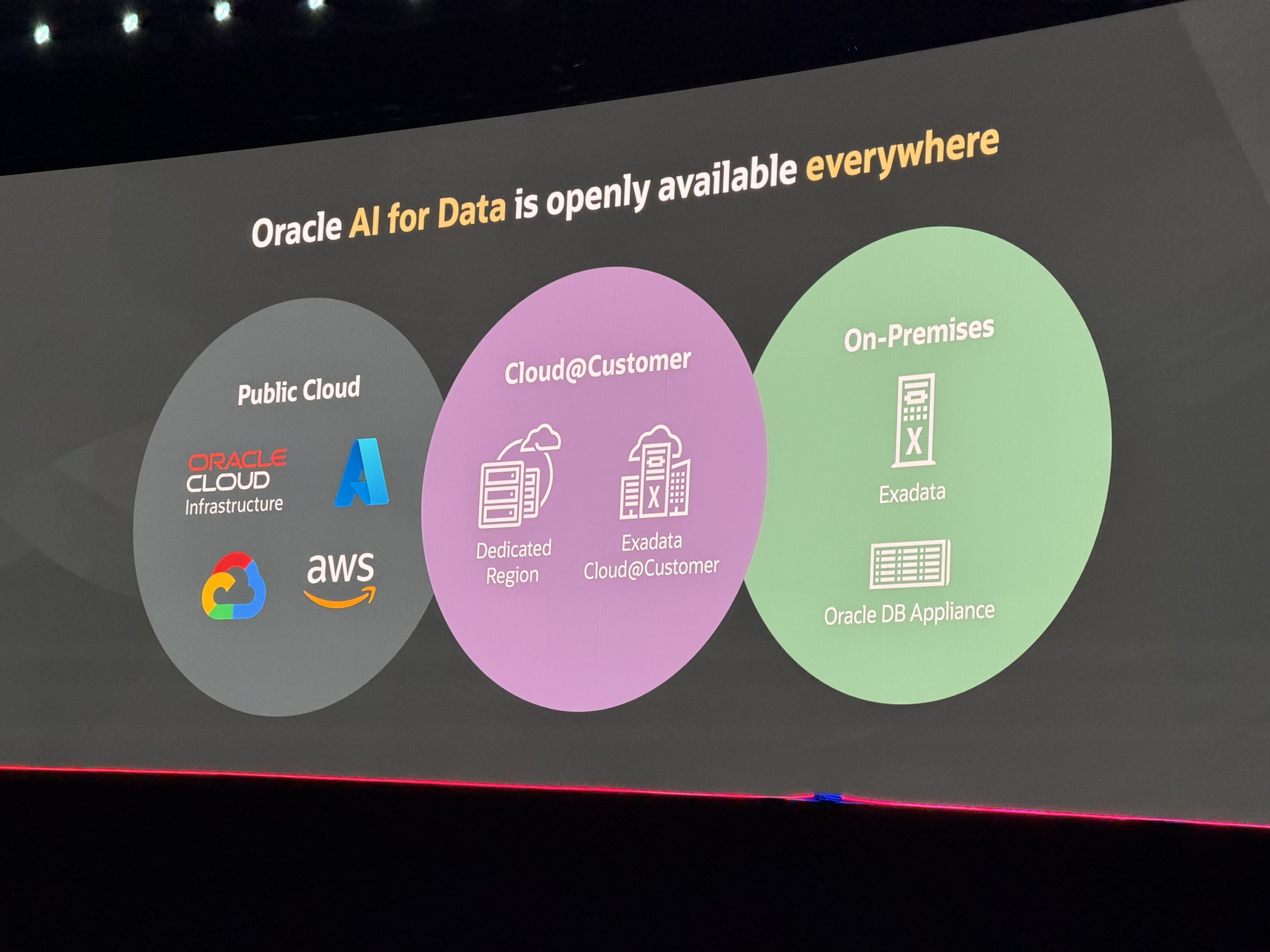
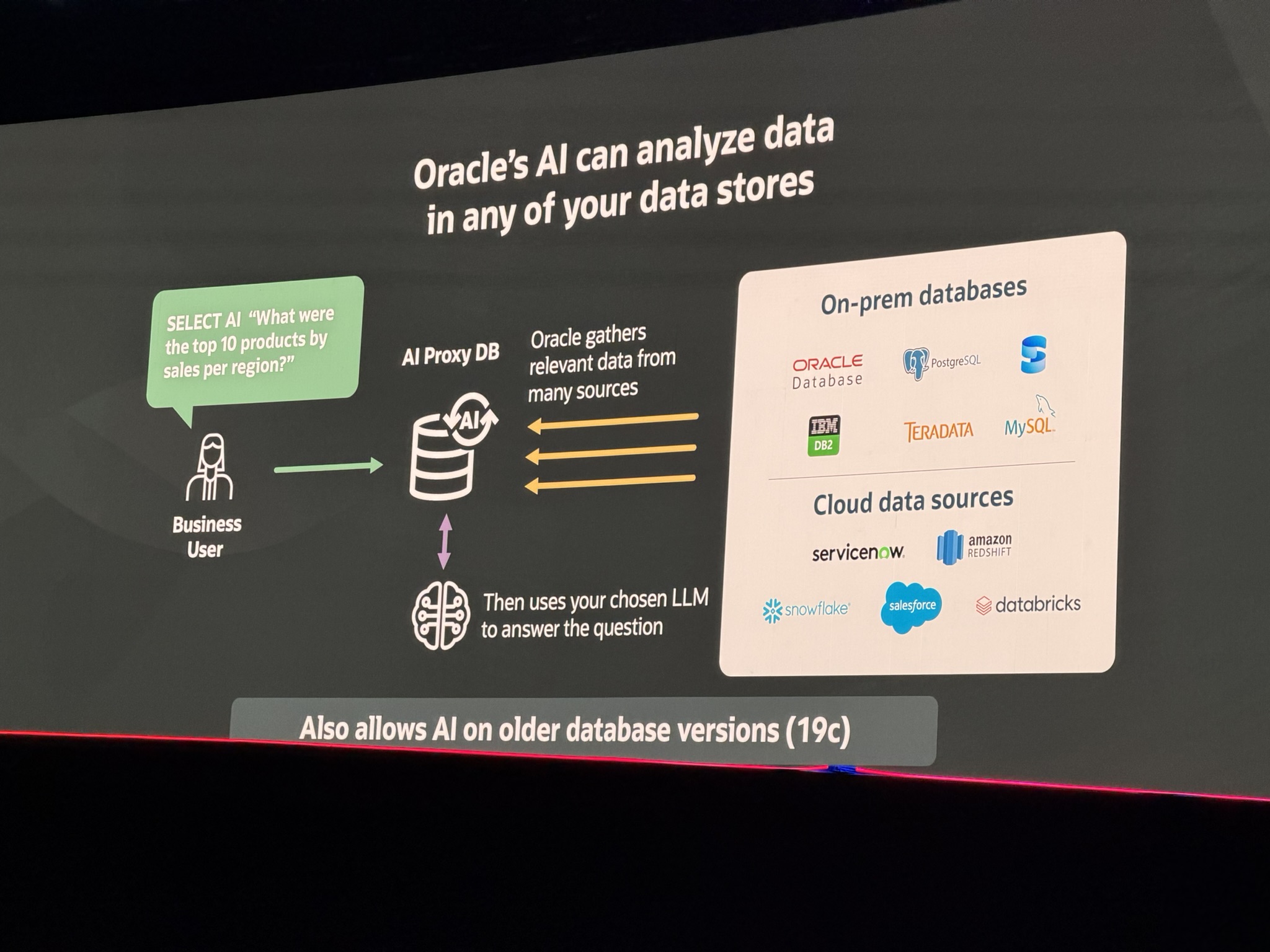
He talked about openness and flexibility, how Oracle AI Lakehouse supports all leading LLMs and AI frameworks, callable via API or deployable privately. How it runs everywhere, public clouds, on-premises, and Cloud@Customer. How it introduces an AI Proxy Database that federates queries across heterogeneous data sources, including older Oracle versions and third-party databases, bringing Oracle AI to mixed environments.
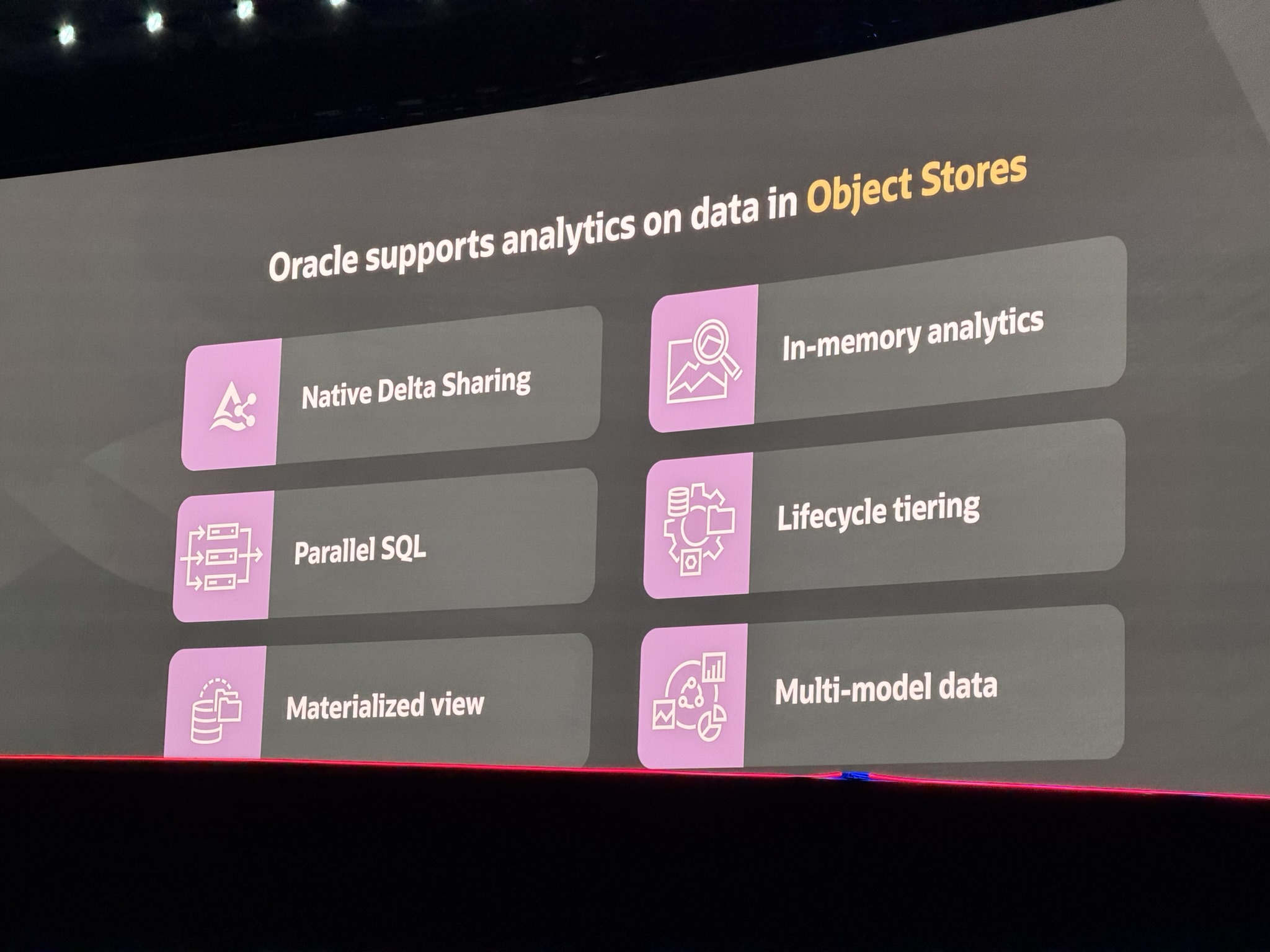
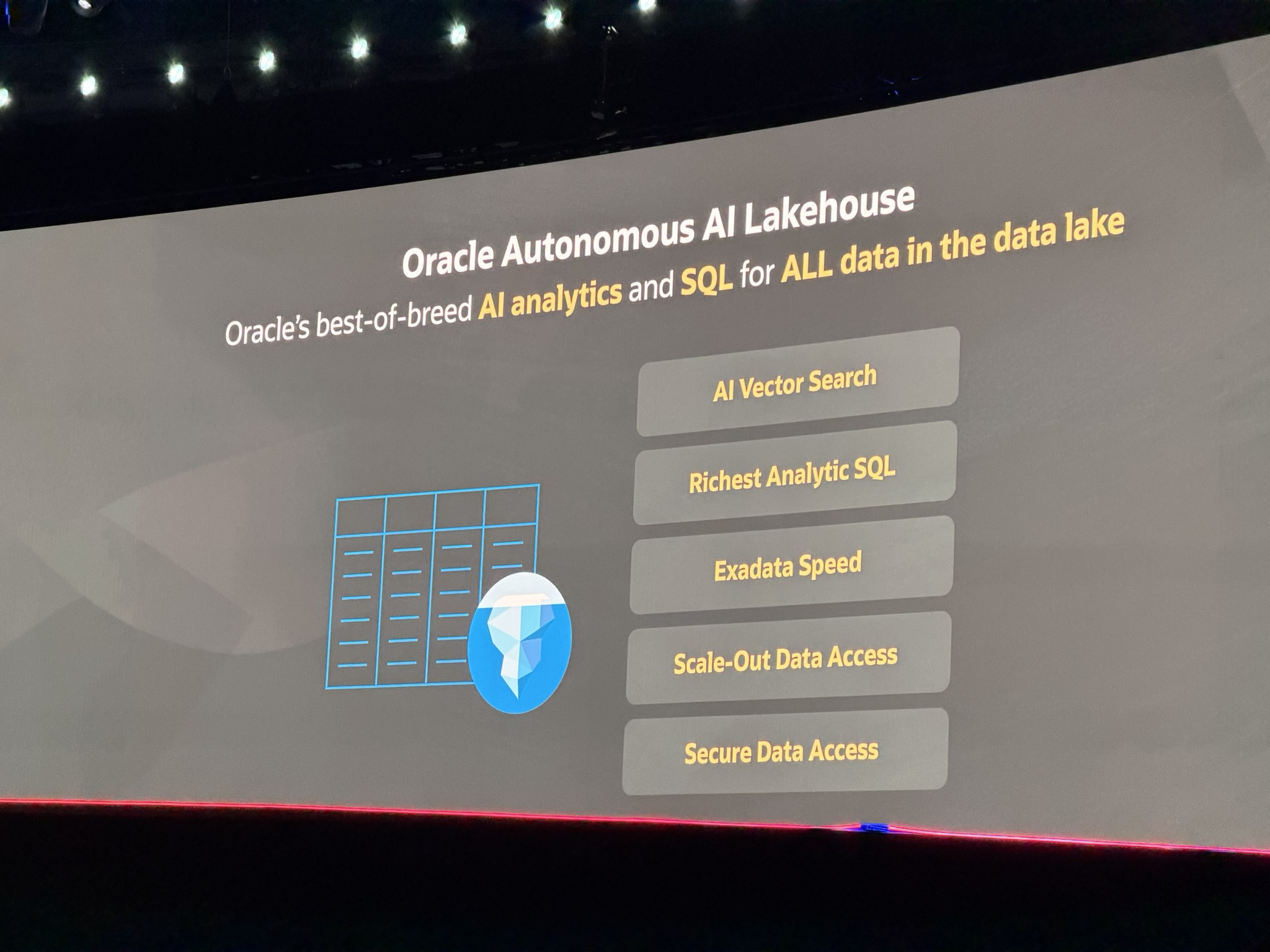
Next he introduced the Oracle Autonomous AI Lakehouse, Oracle’s AI Lakehouse product. Which was a major announcement, built on Apache Iceberg (open table format standard). It combines the independence of an open lakehouse with the full power of Oracle AI Database.
The key features are:
- AI Vector Search: for fast semantic search on lake data
- Rich Analytics: Advanced SQL for relational, graph, and JSON directly on Iceberg
- Exadata Performance: Caches frequently accessed lakehouse data for speed
- Secure Access: Applies Oracle’s robust security and governance to lake data
- Federated Catalog: A “catalog of catalogs” for unified discovery across Oracle, Databricks, and Snowflake
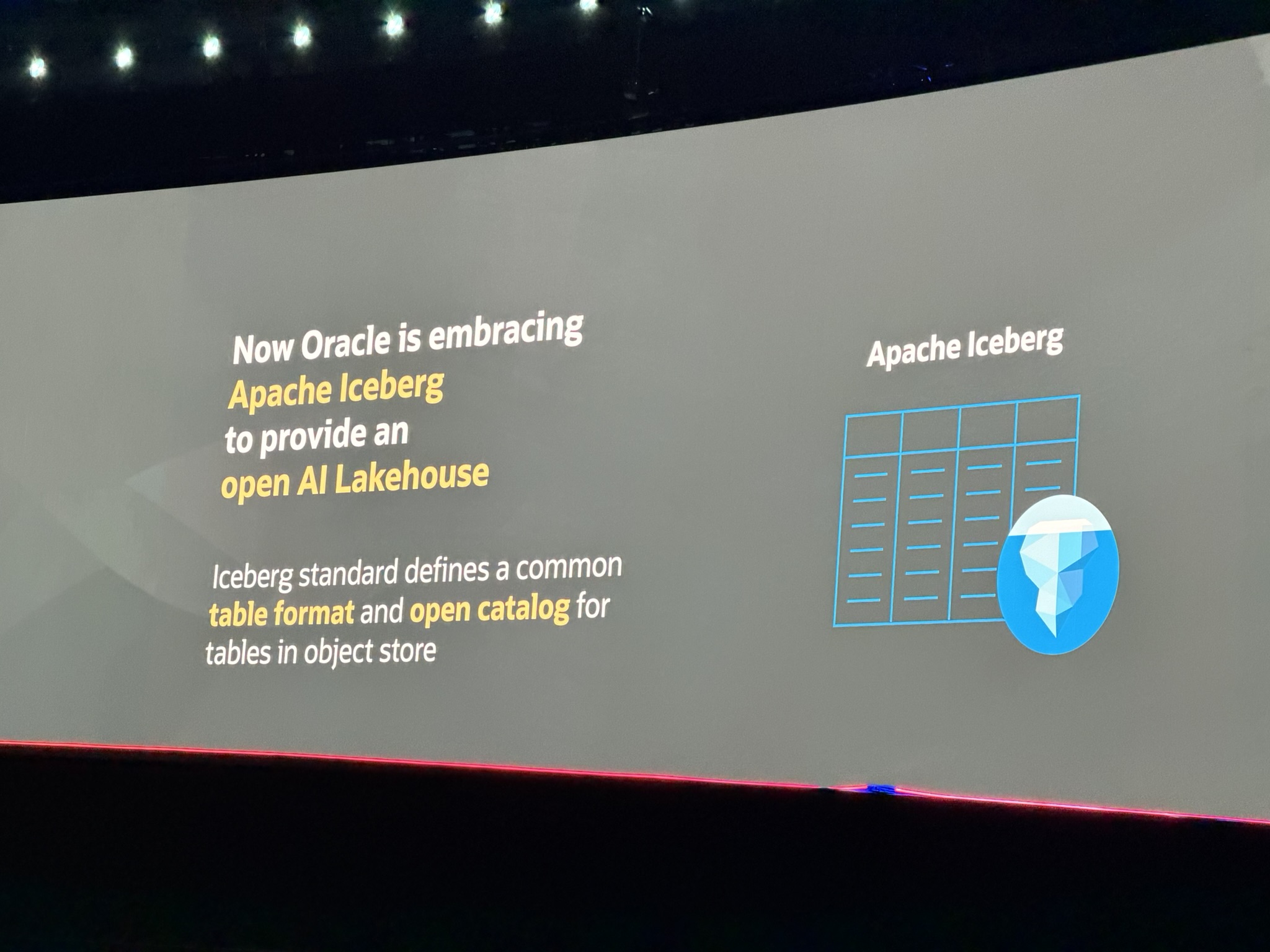
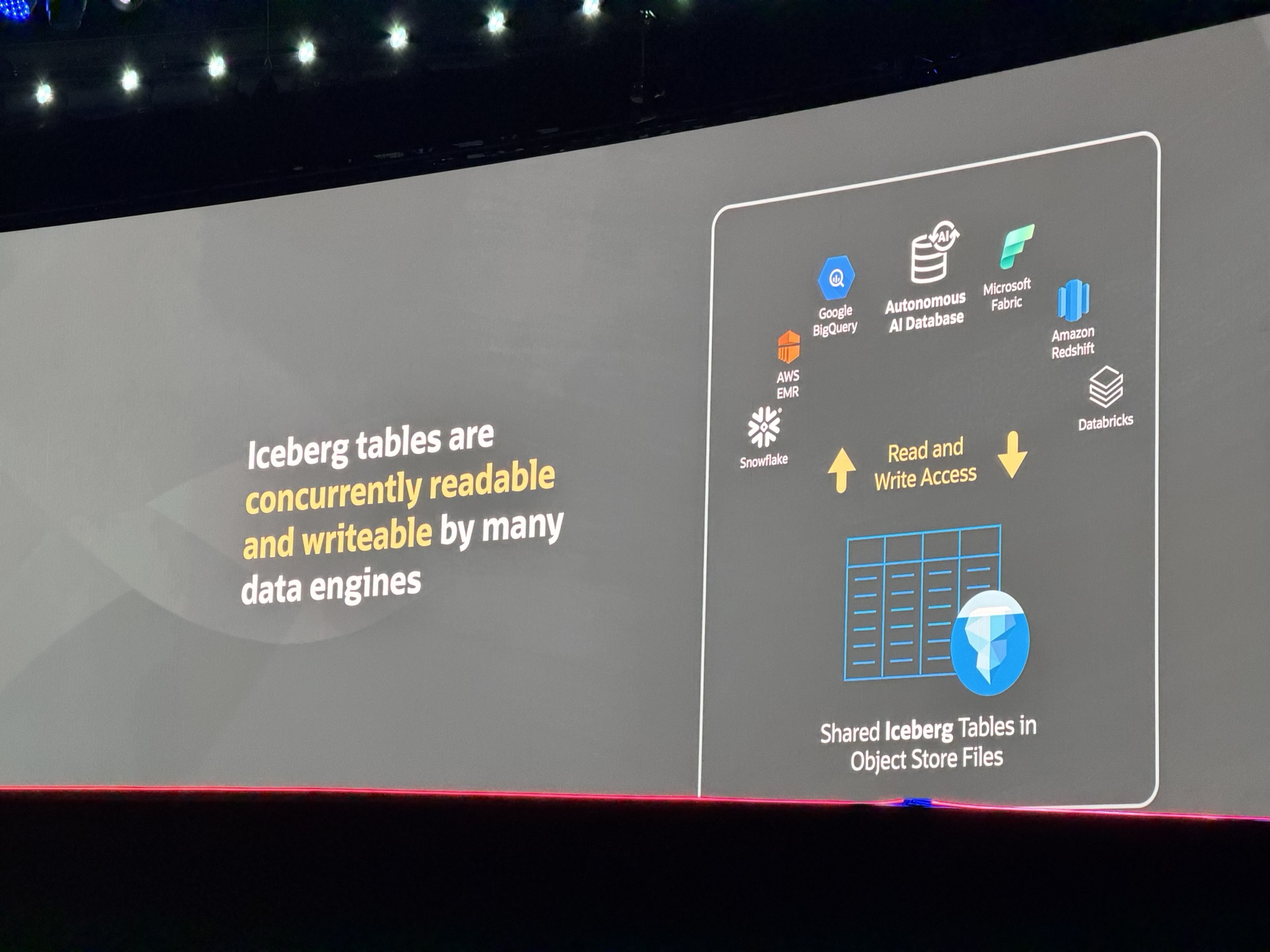
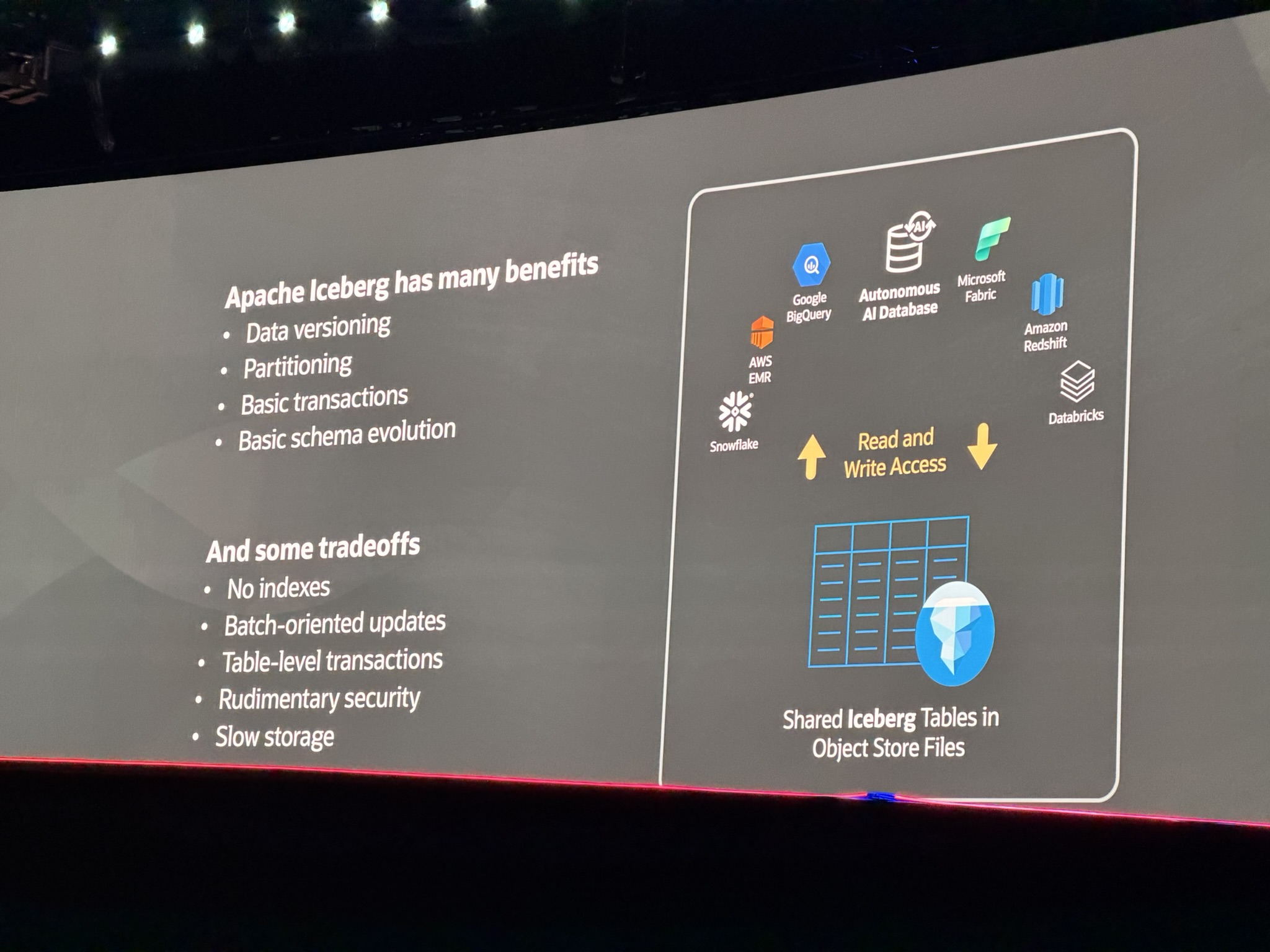
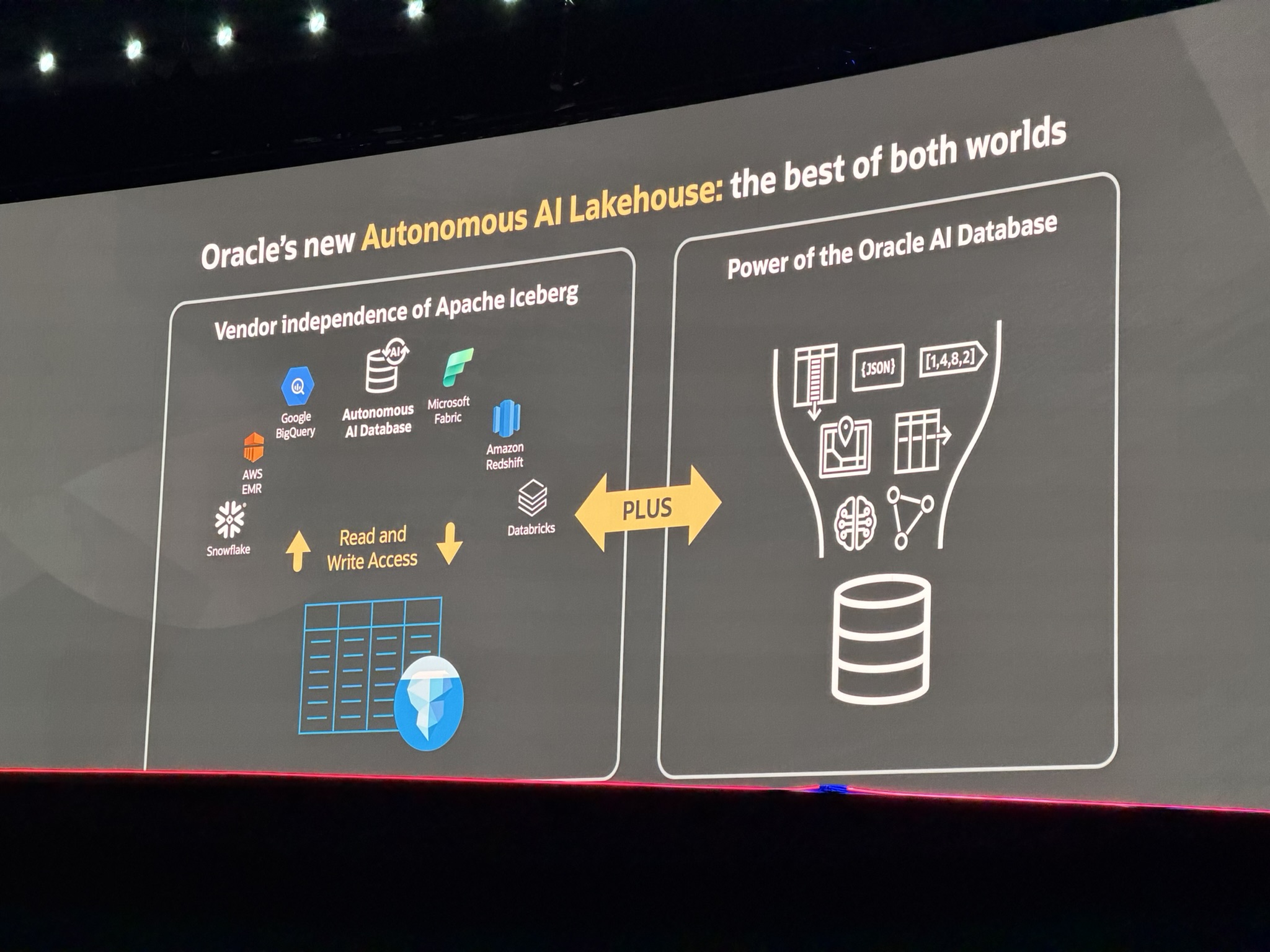
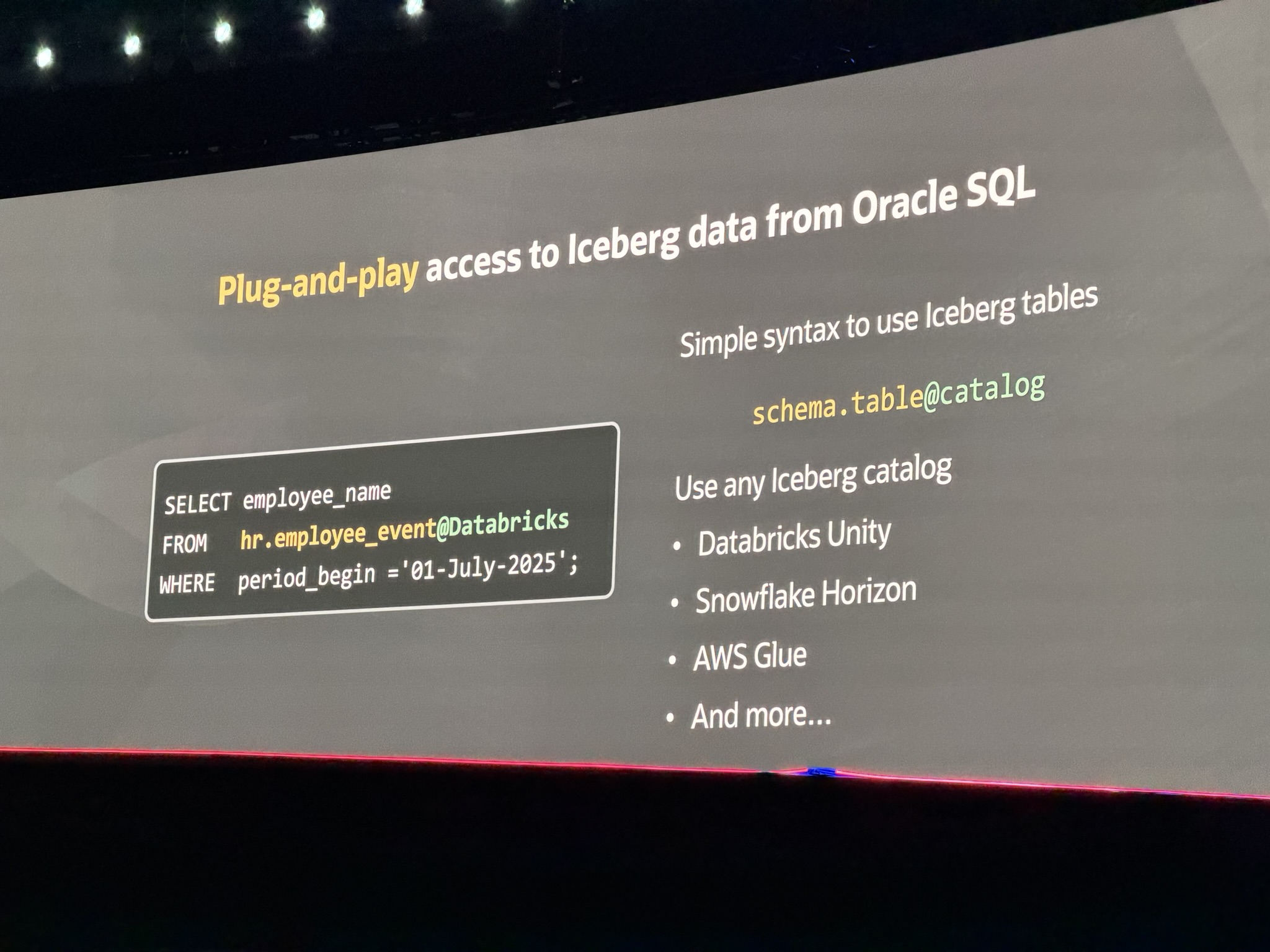
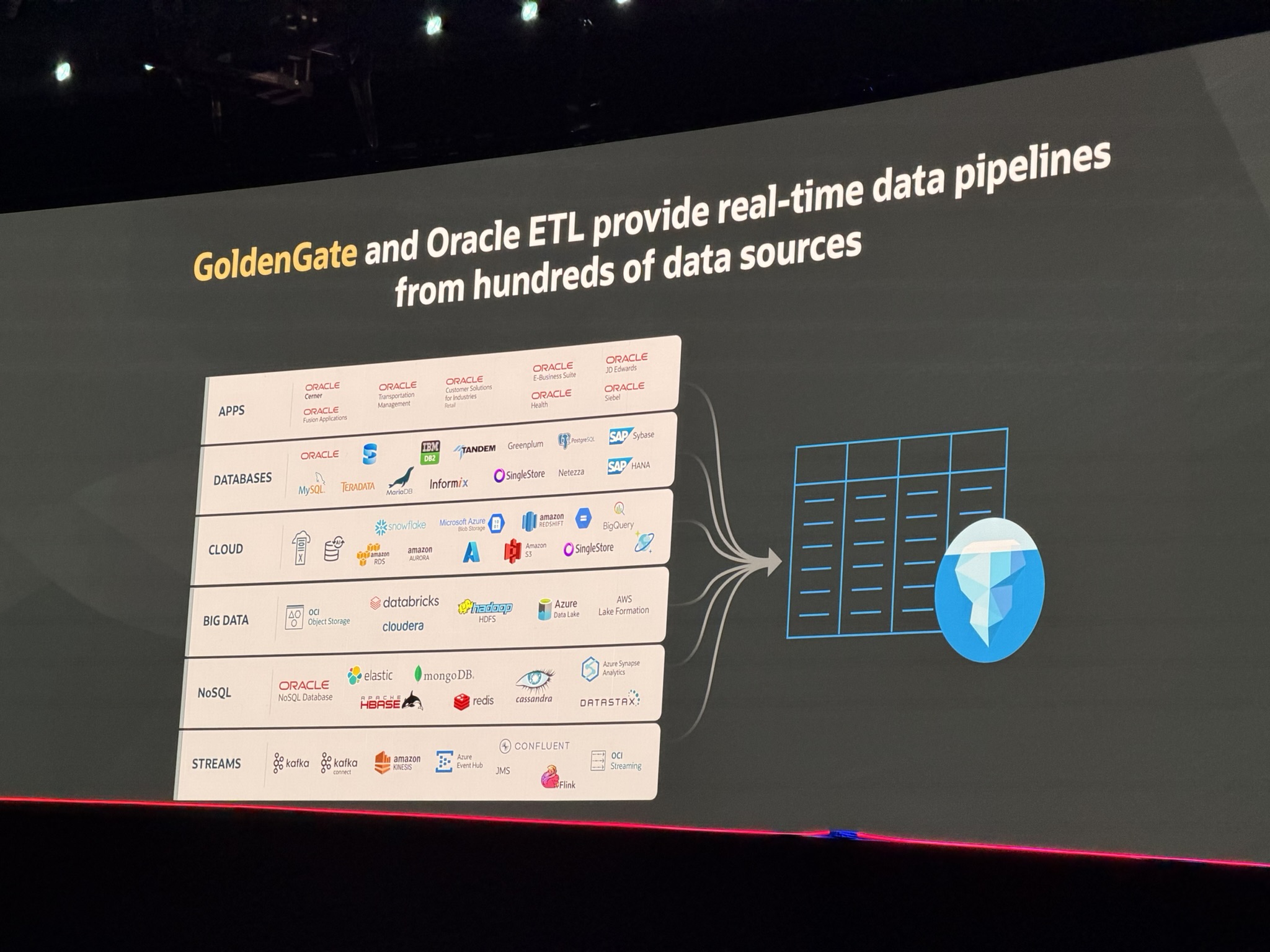
Oracle’s AI Lakehouse strategy promises open standards, strong security, and high performance, unlocking AI insights across all enterprise data. It’ll be interesting to see whether this gains traction the way Microsoft Fabric has among Microsoft centric customers, for Oracle focused organisations, this could be the game changing alternative.
Segment 4: The Oracle AI Data Platform
Juan then brought T.K. Anand, EVP of Oracle’s AI Data Platform, on stage to kick off the final segment of the keynote.
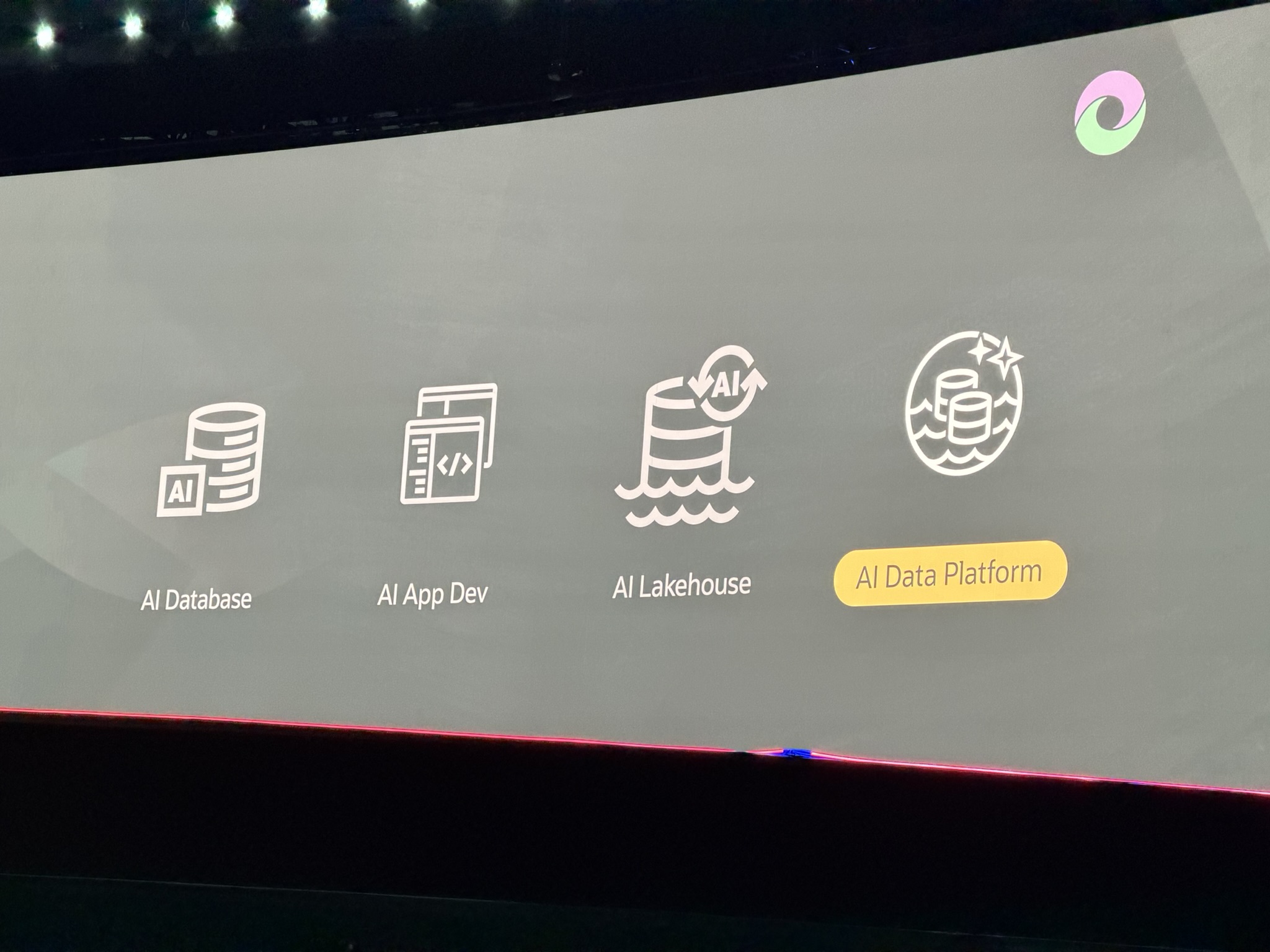
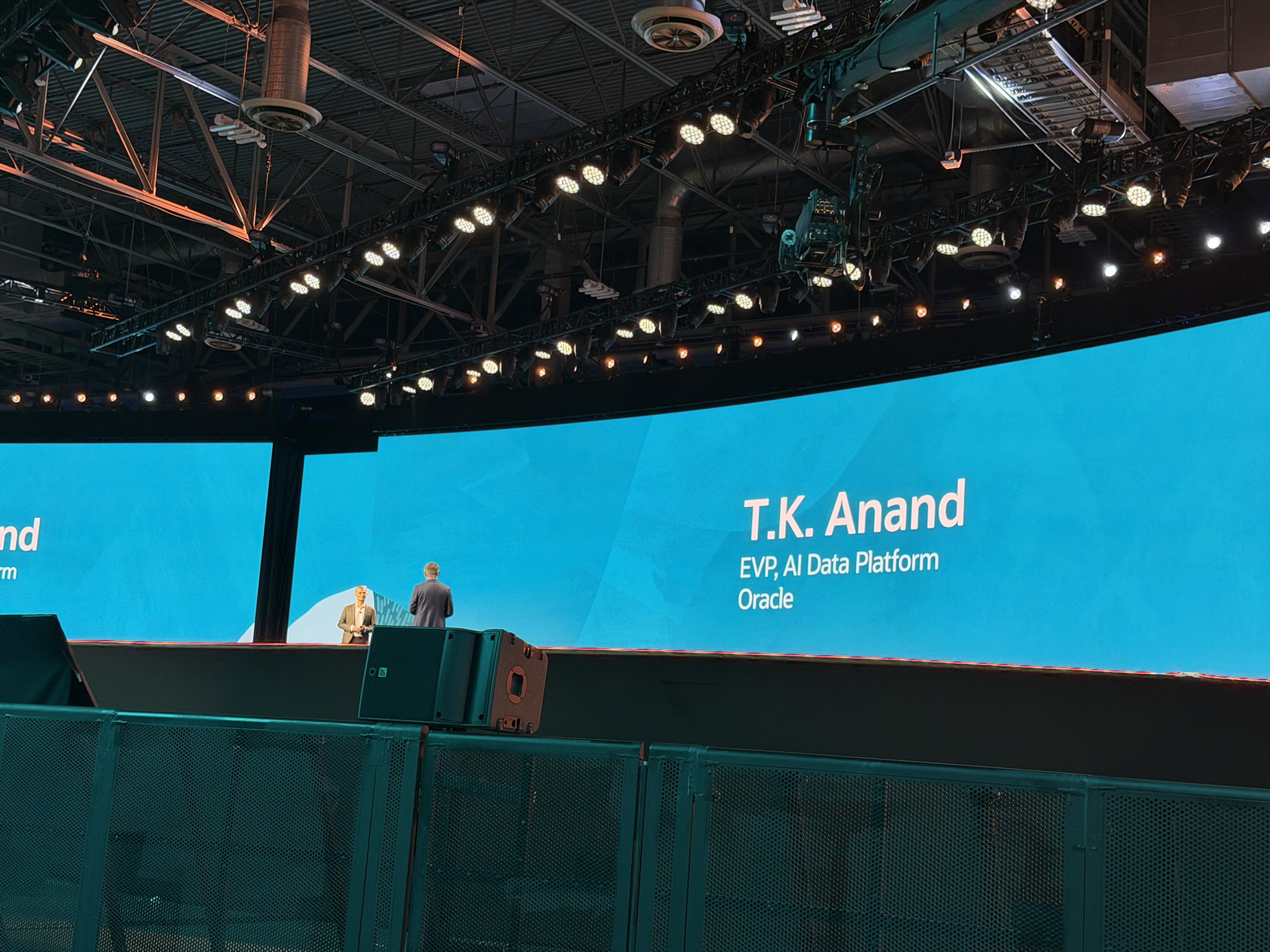
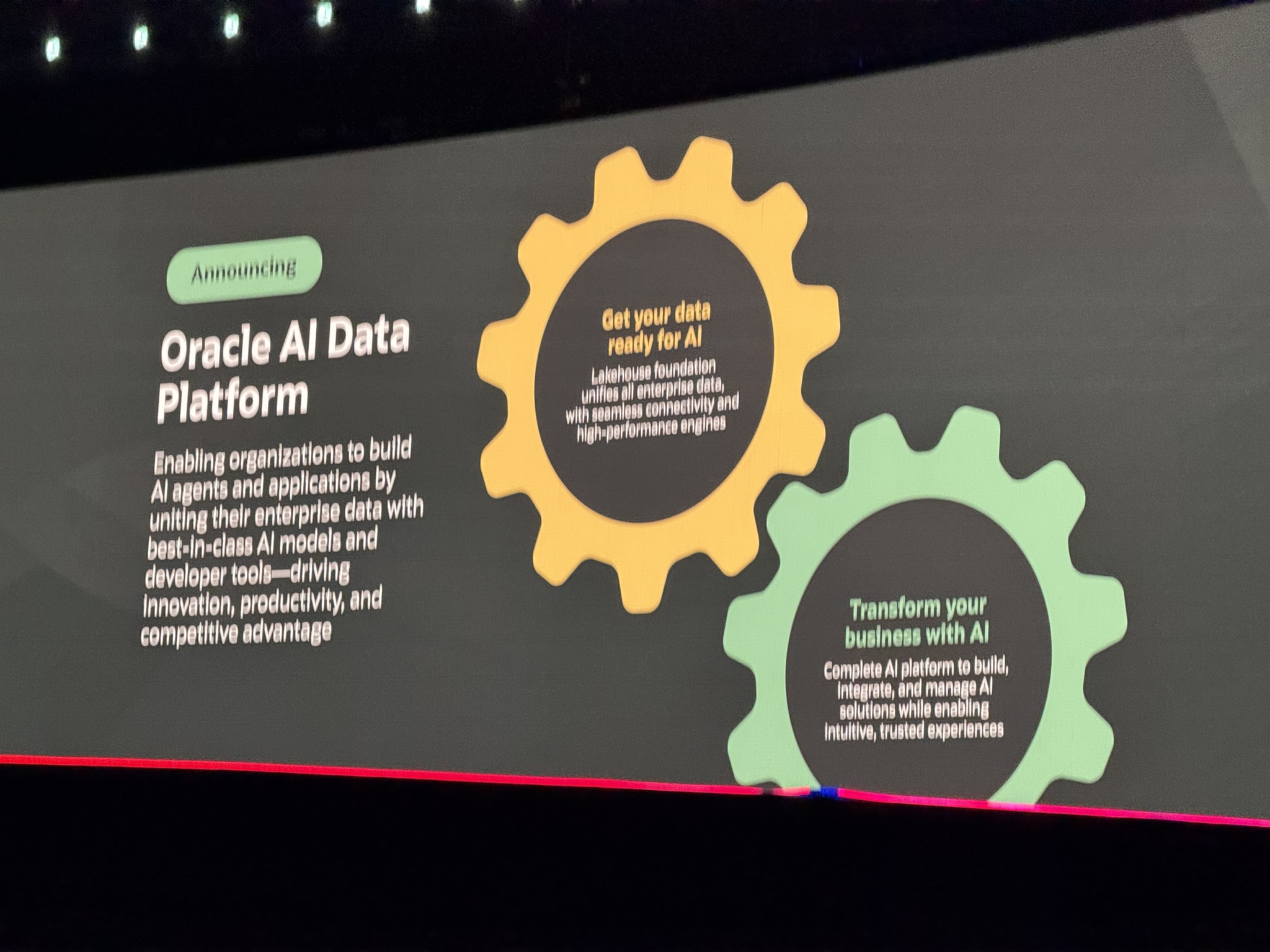
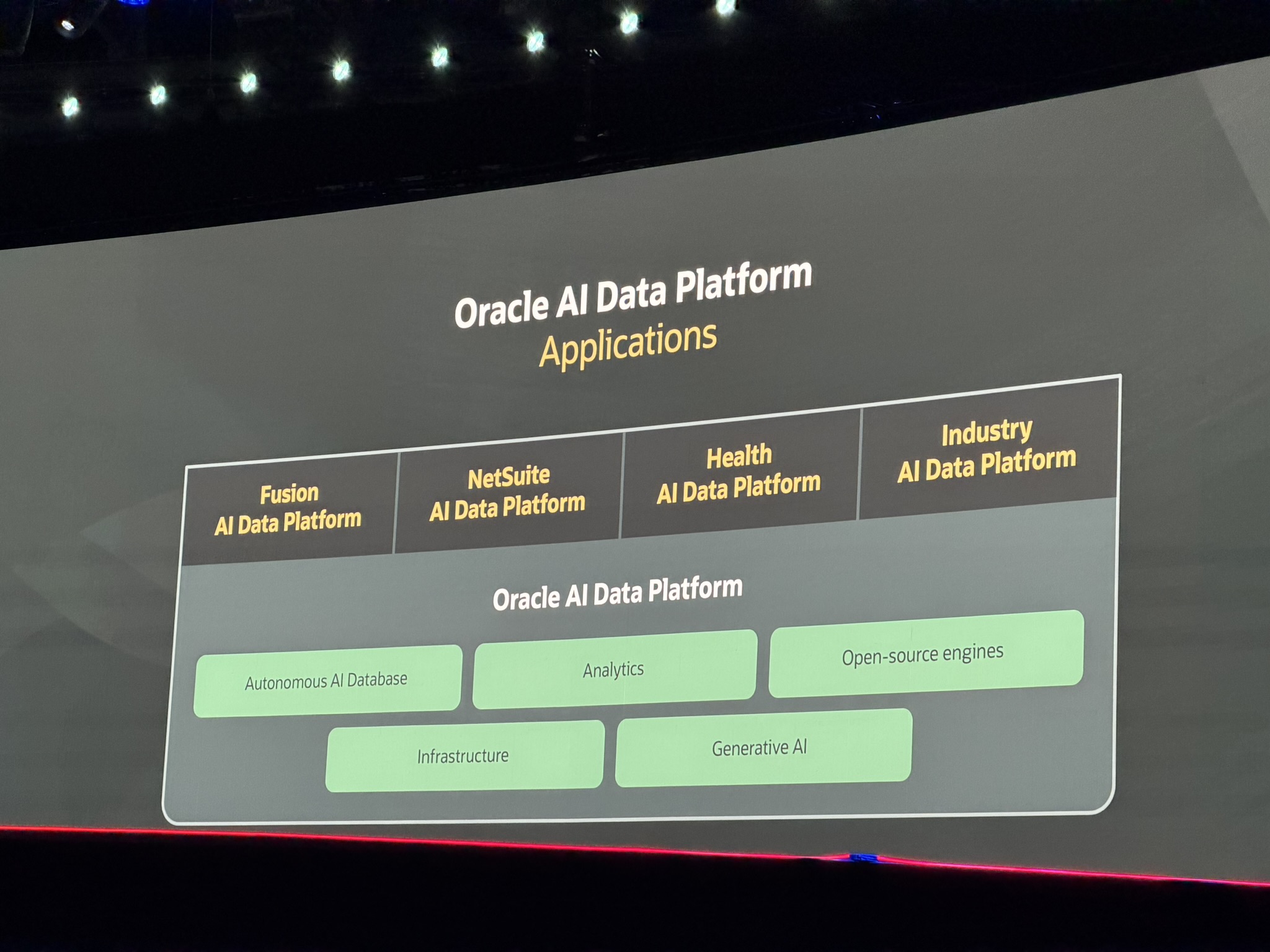
Building on the AI Database and AI Lakehouse, TK Anand announced the general availability of the Oracle AI Data Platform, an end to end Platform as a Service (PaaS) designed to unify data, analytics, and AI development. As TK Anand put it:
“The AI Data Platform gets your data ready for AI and then leverages AI to transform your business.”
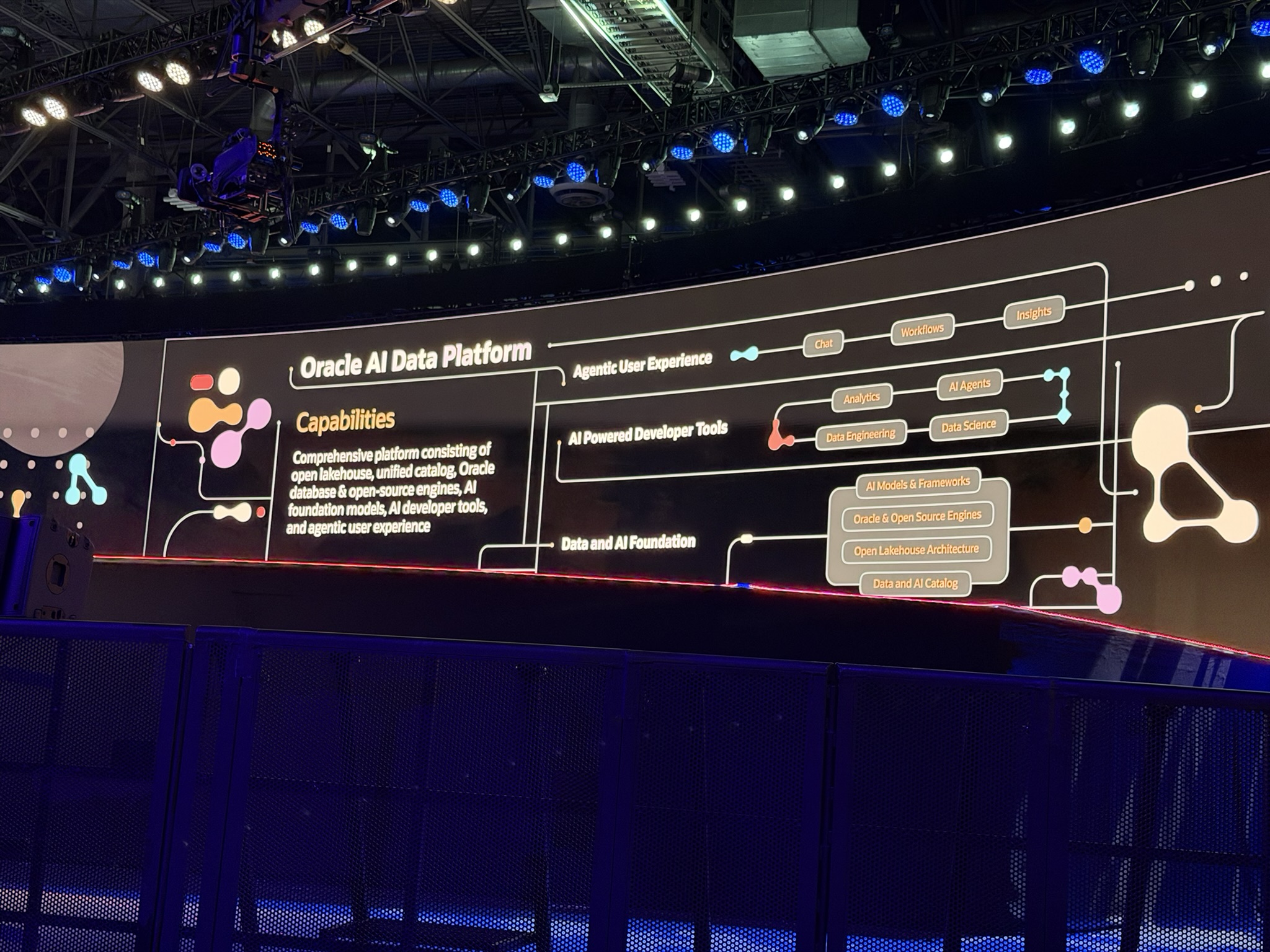
He explained the platform brings together multiple OCI services into a seamless experience, removing the complexity of stitching tools together.
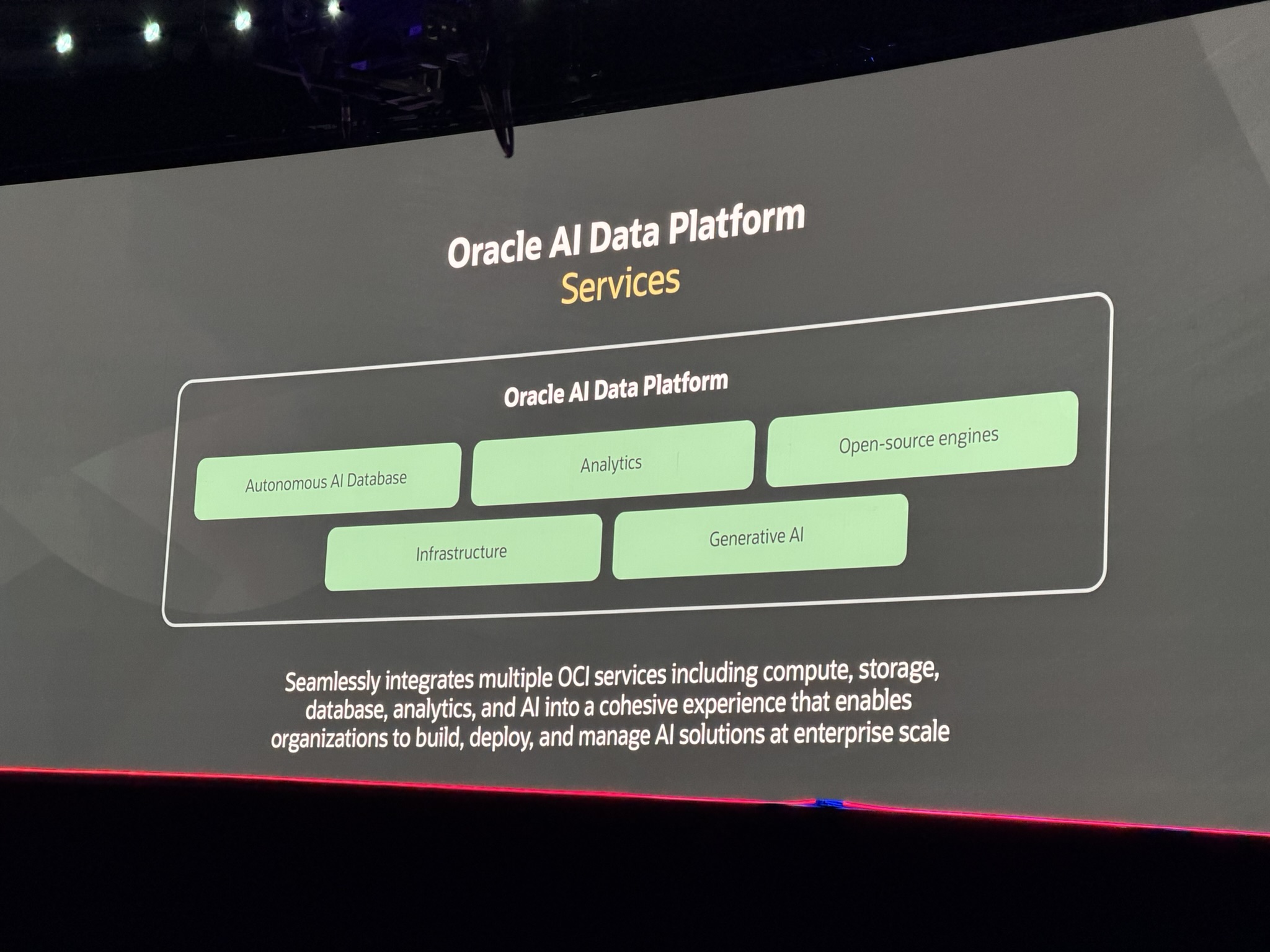
Key components include:
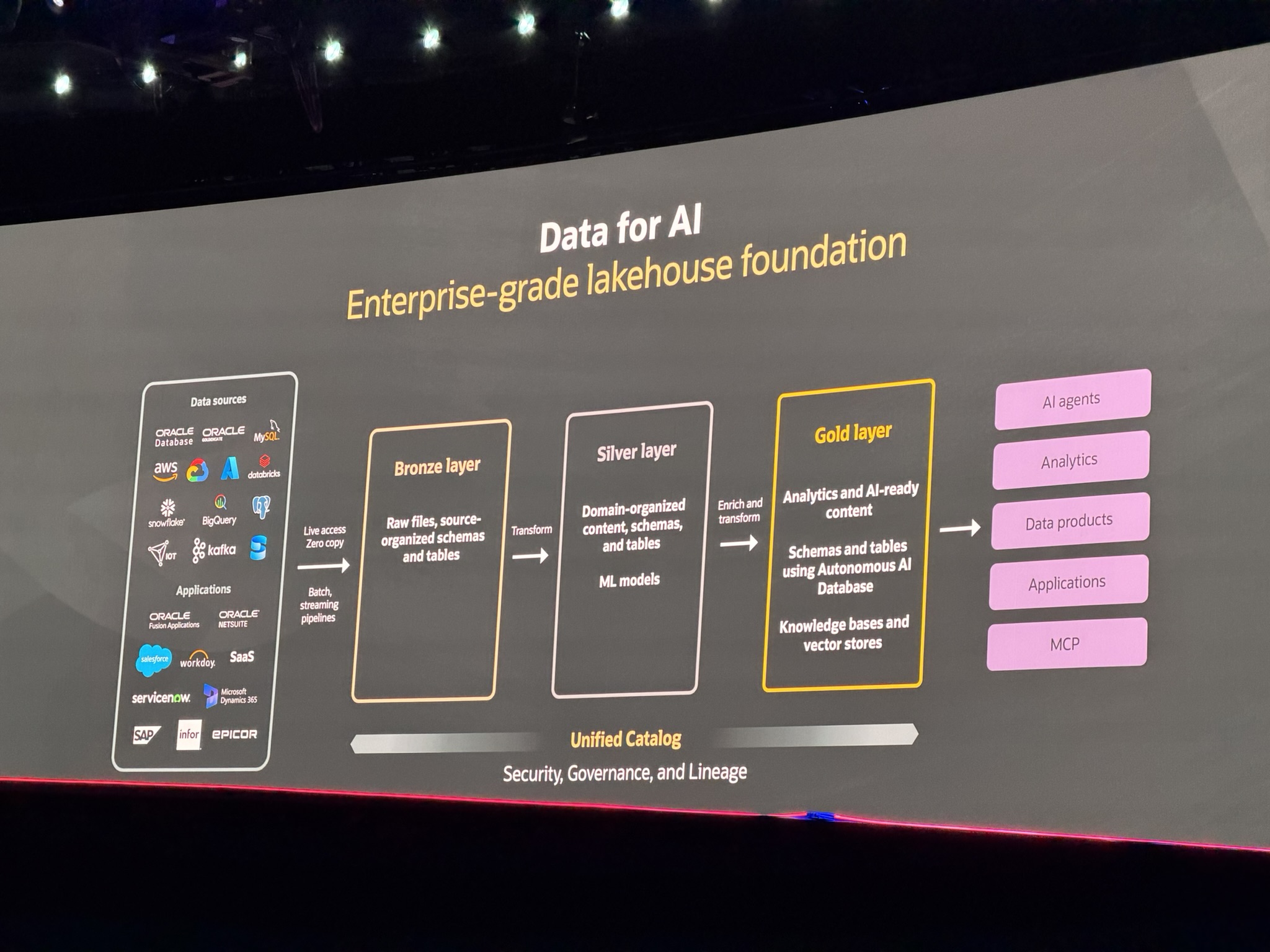
Data Foundation
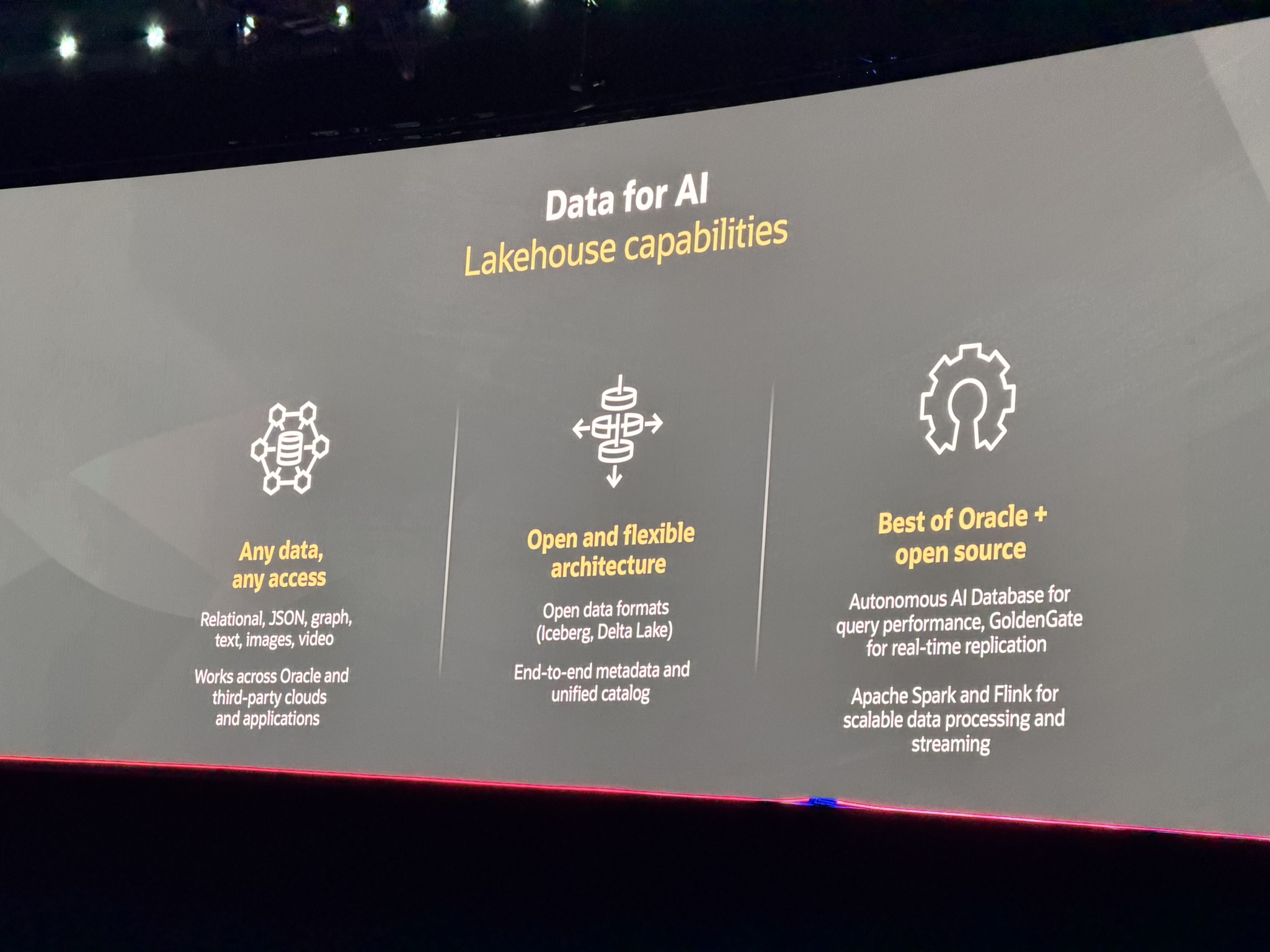
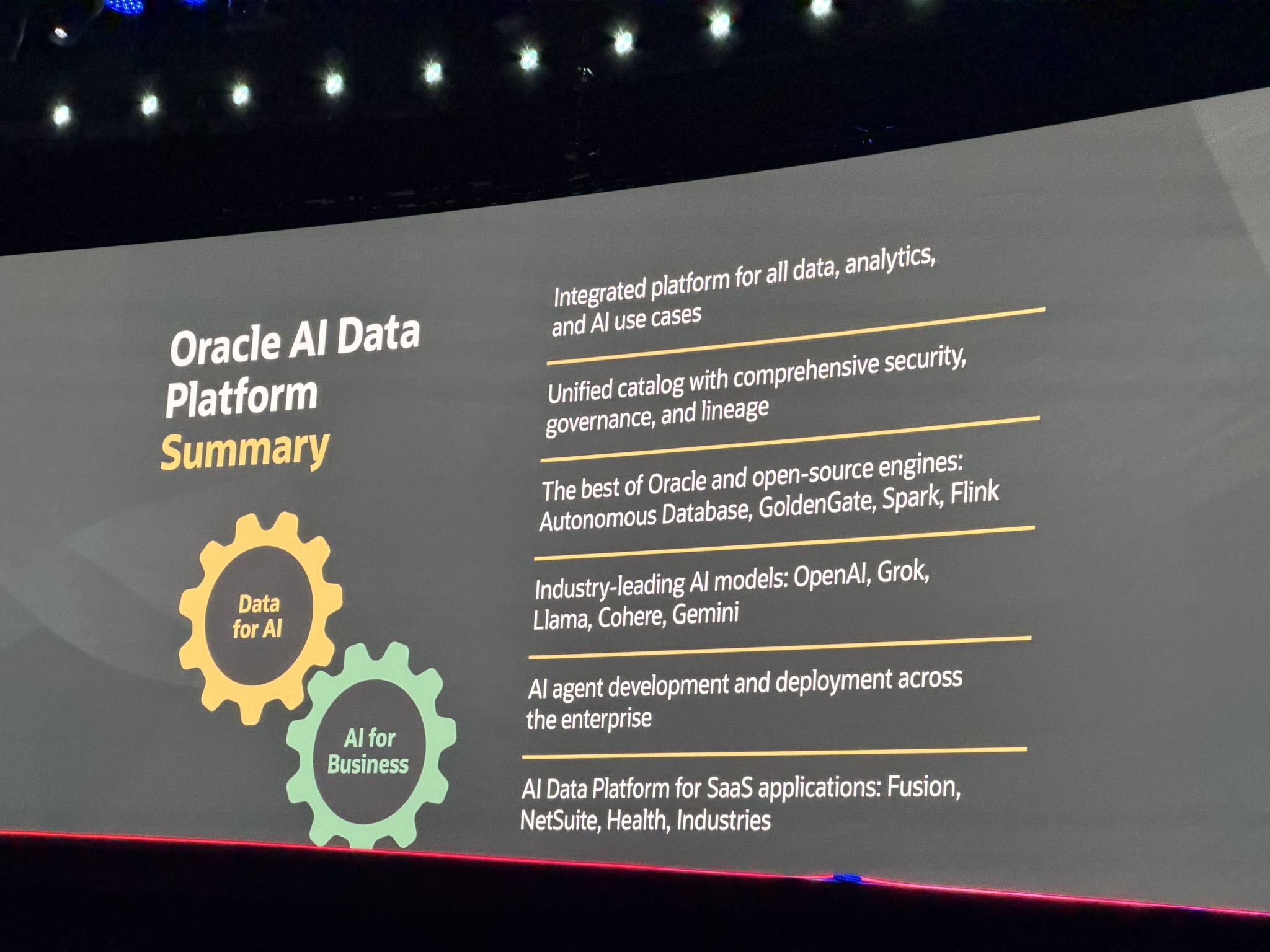
An enterprise grade open lakehouse built on standards like Apache Iceberg and Delta Lake, with a Medallion Architecture (Bronze, Silver, Gold layers) and a Unified Catalog for data, models, and AI assets, complete with security and governance.
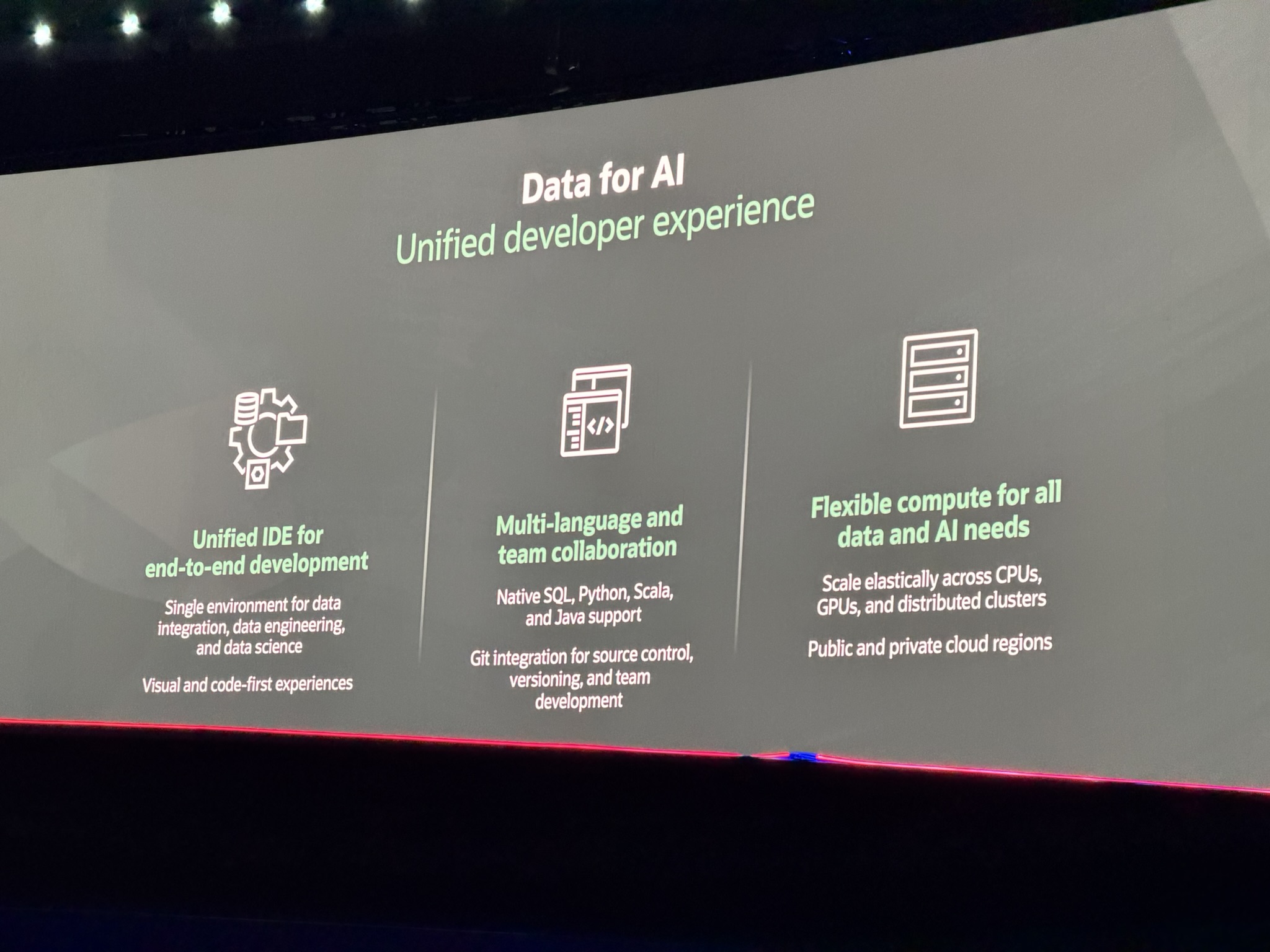
Developer Workbench
A single environment for data integration, data science, and agent development. Includes AI-assisted notebooks (SQL, Python, Scala), drag-and-drop interfaces, and job execution on Autonomous Database, Spark, or Flink.
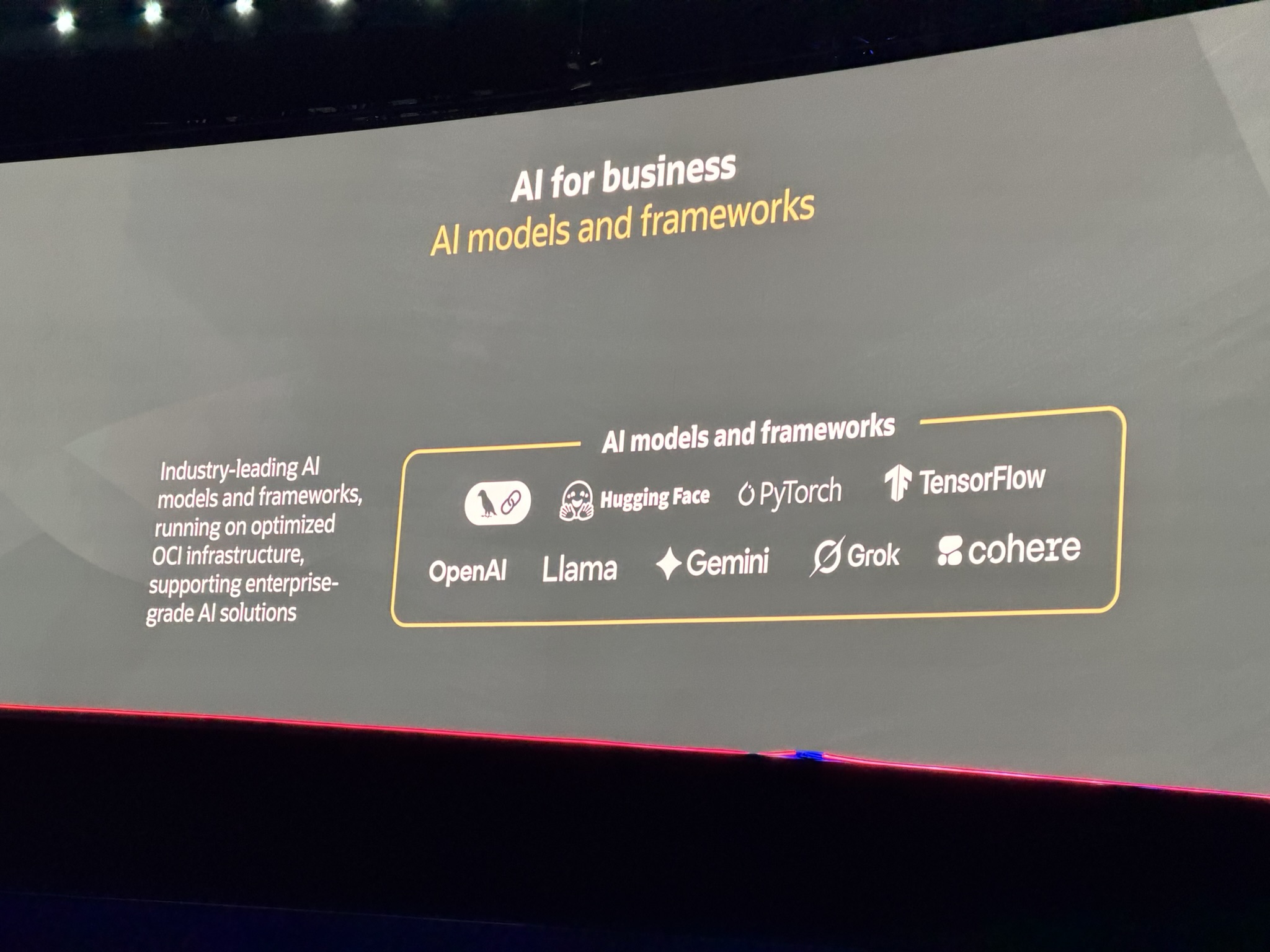
Agent Studio & Models
Integrates leading foundation models (OpenAI, Grok, Llama, Cohere, soon Gemini) and frameworks like LangChain and LangGraph. Developers can build AI agents for tasks such as RAG-based semantic search, workflow orchestration, and querying enterprise systems.
Agent Hub (Coming Soon)
A “single pane of glass” for business users to interact with all organisational AI agents. Users will be able to chat with agents, trigger tasks, and chain workflows, with full transparency into AI reasoning.
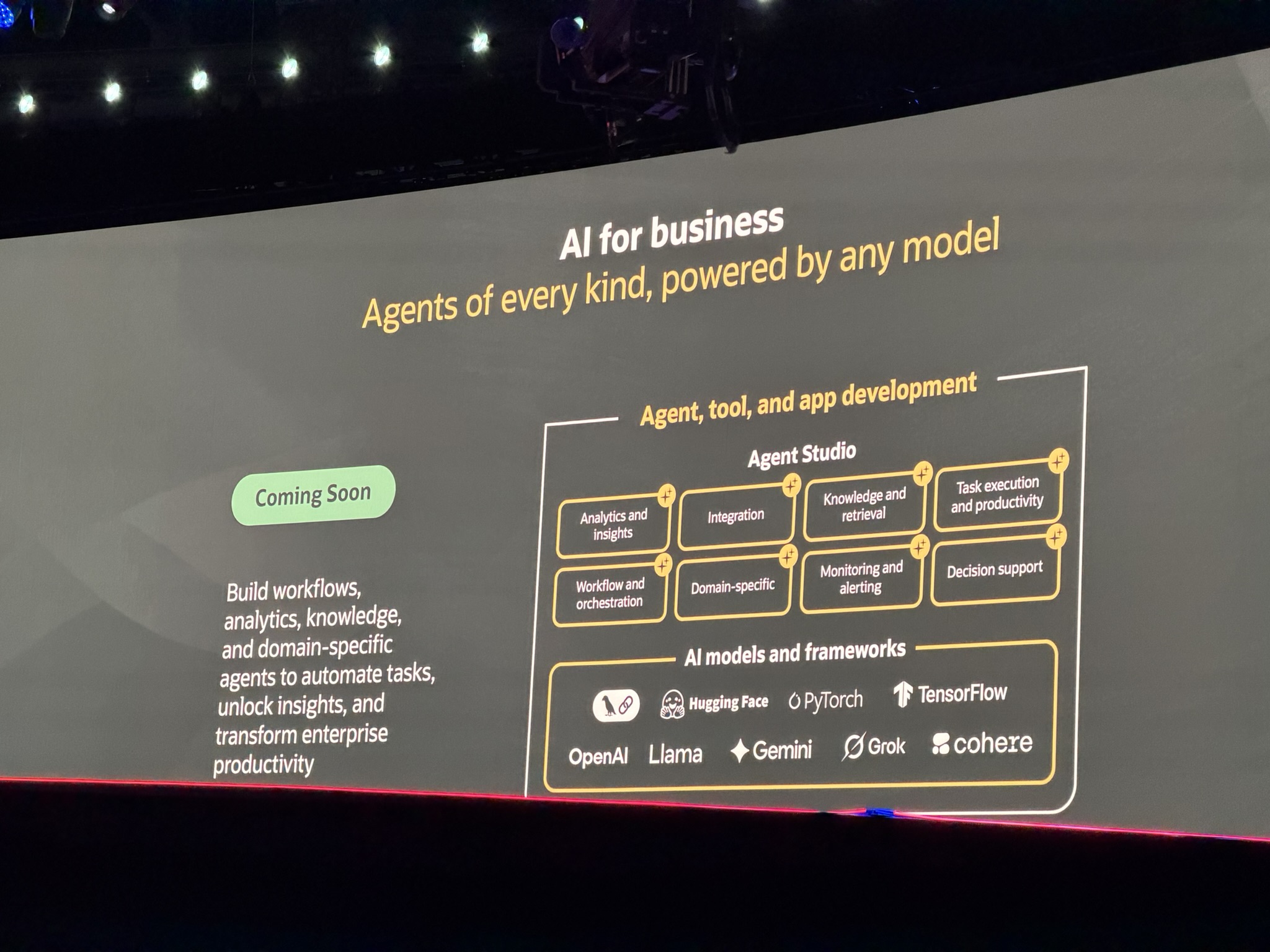
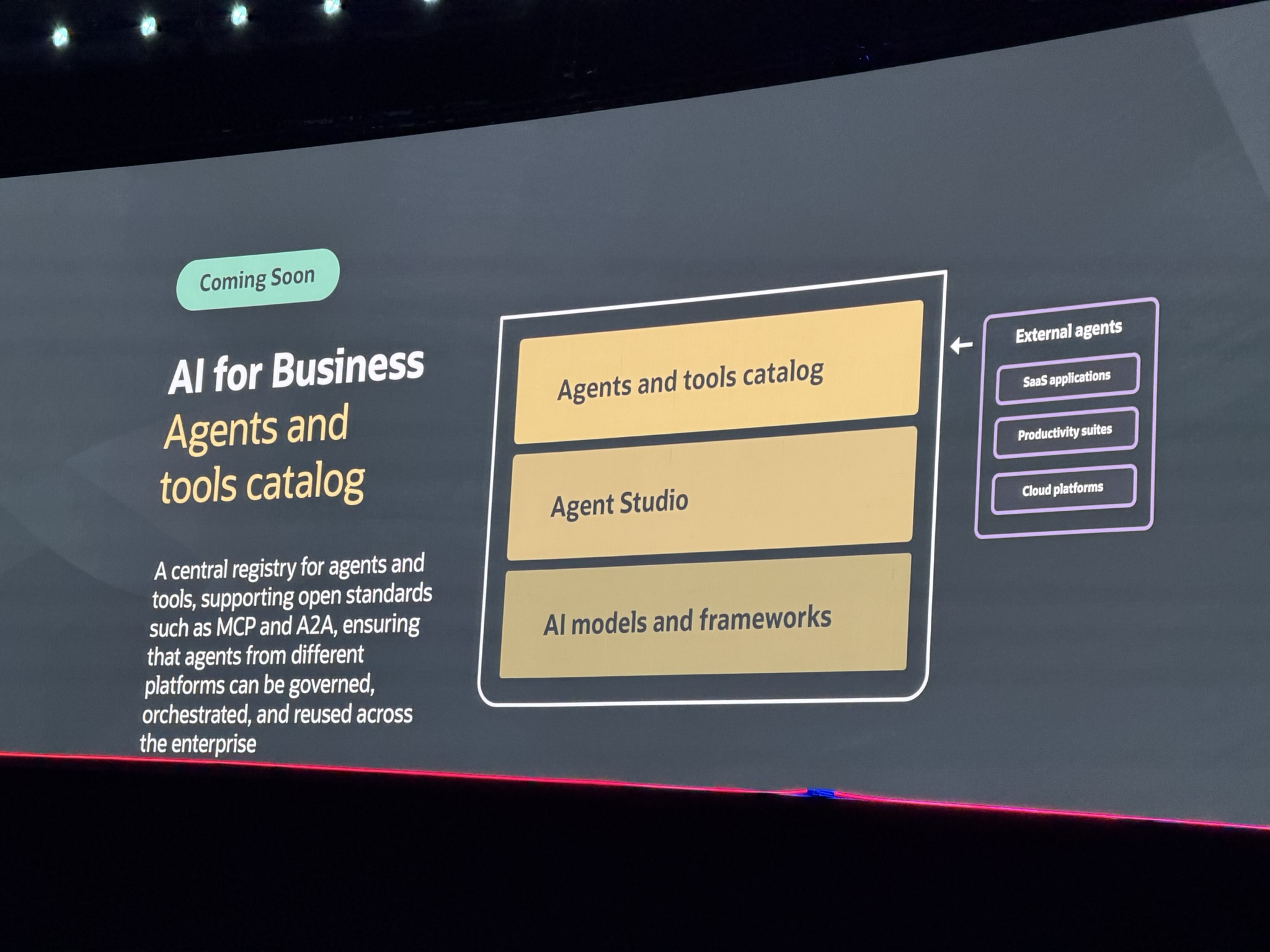
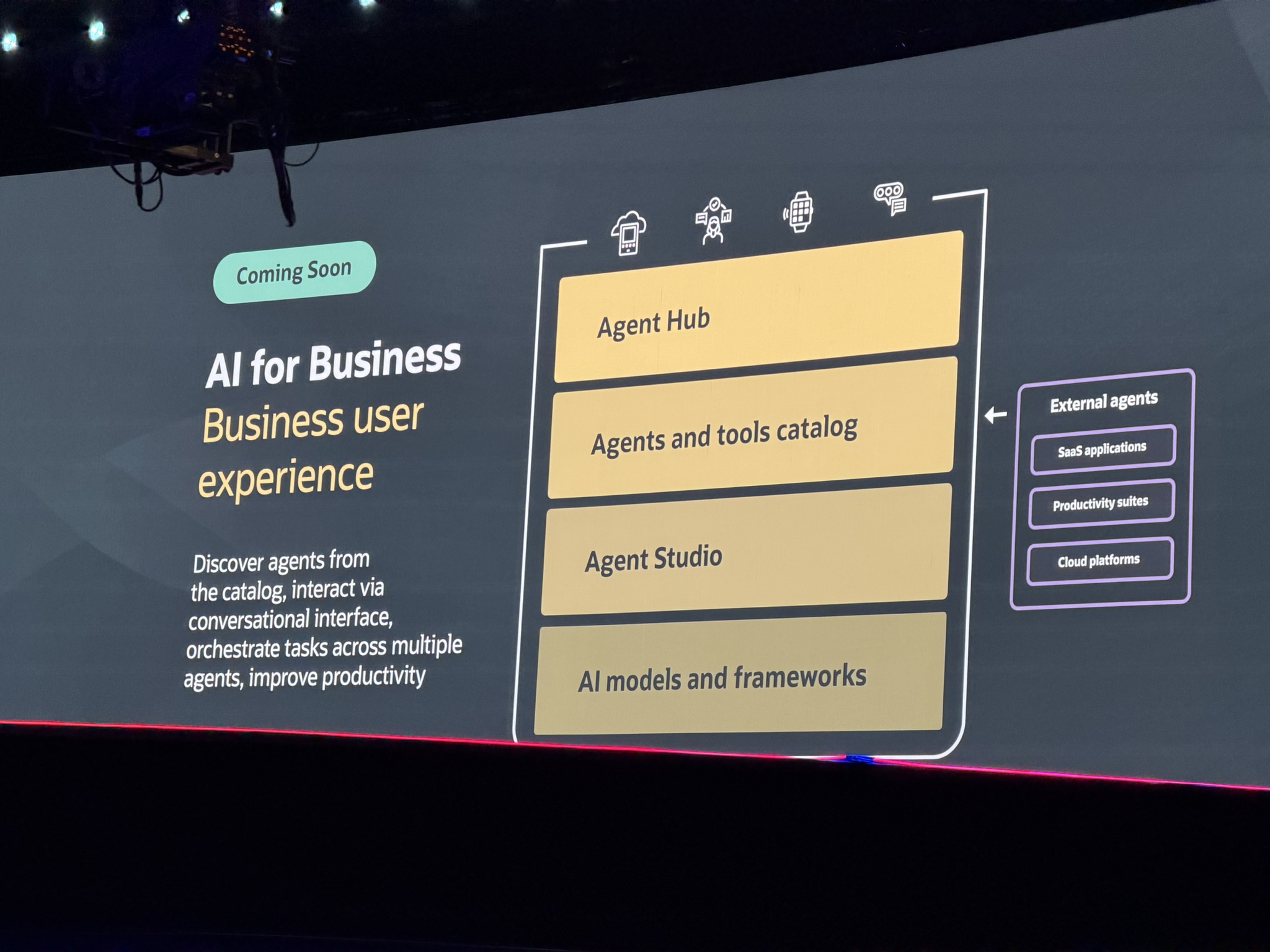
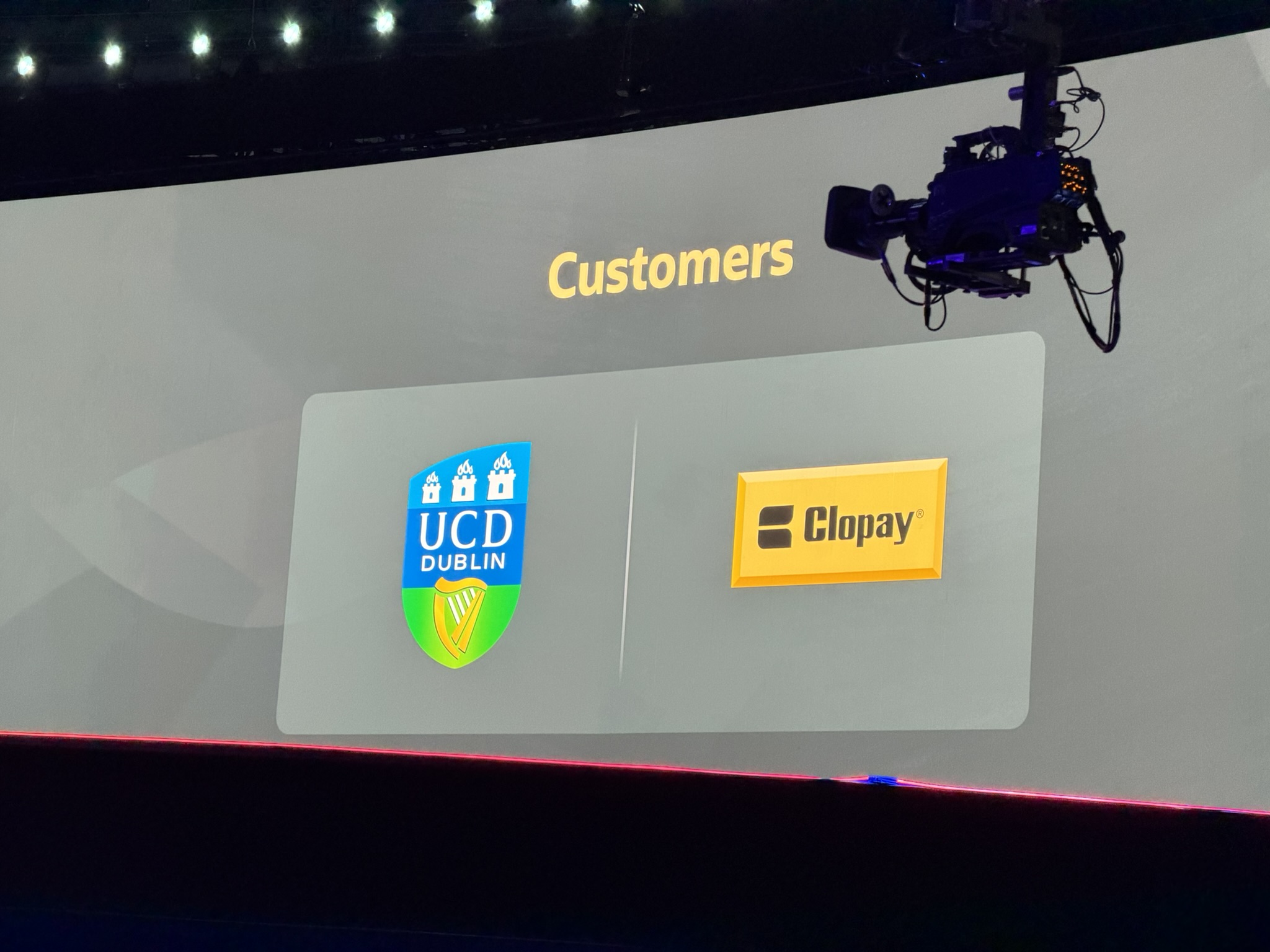
TK Anand finished with saying, Oracle’s AI Data Platform has already been tested by customers. University College Dublin used it to build a decision support tool for respiratory care, while Clopay leveraged it to predict dealer churn more accurately.
Juan concluded the keynote with, Oracle will deliver customised versions of the AI Data Platform with pre-built integrations for its major application suites, Fusion, NetSuite, Health, and more. These tailored offerings include ready to use data pipelines, business semantics, analytics, and AI agents, enabling SaaS customers to gain immediate value while retaining full flexibility to extend and customise the platform.
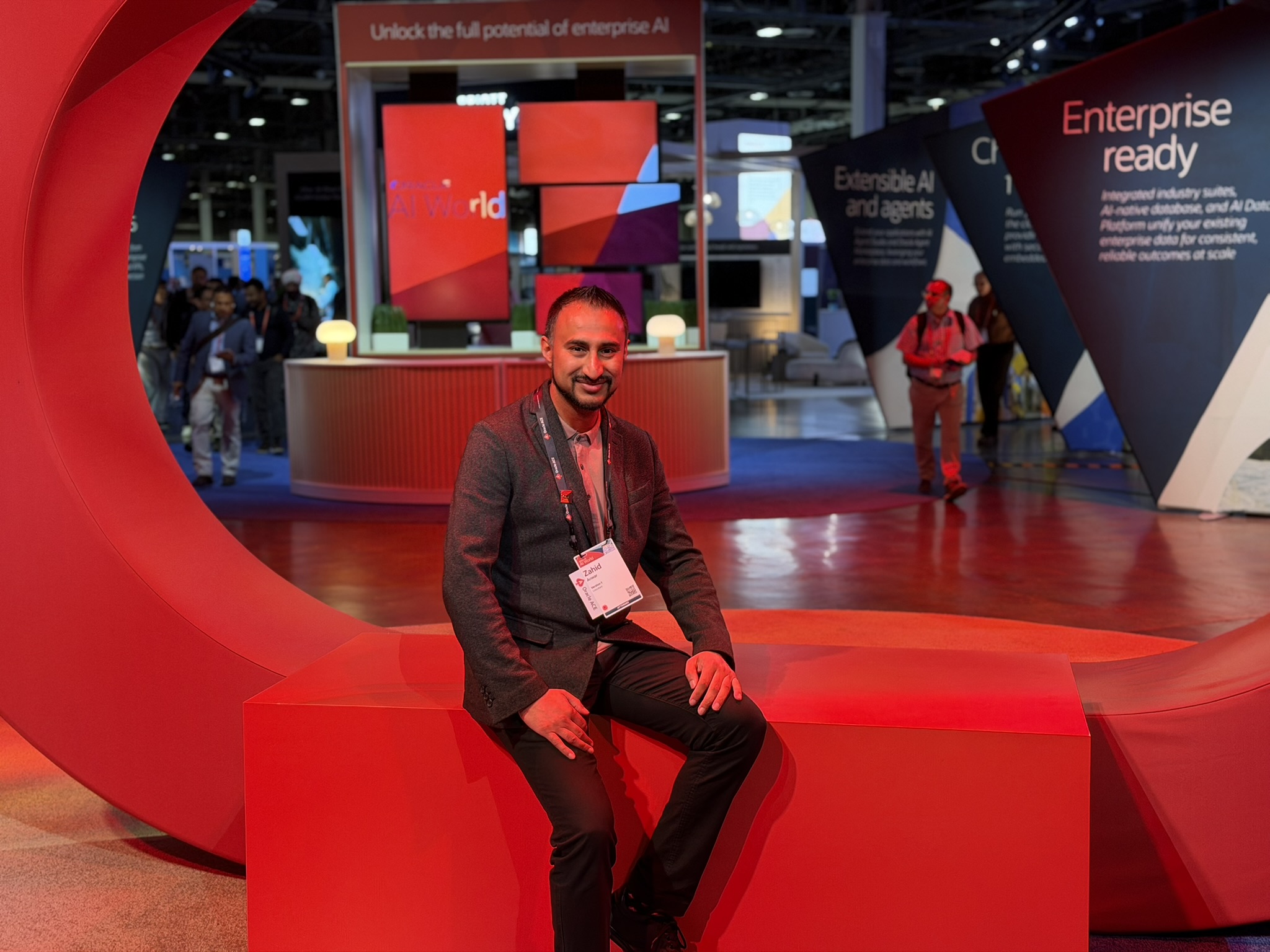
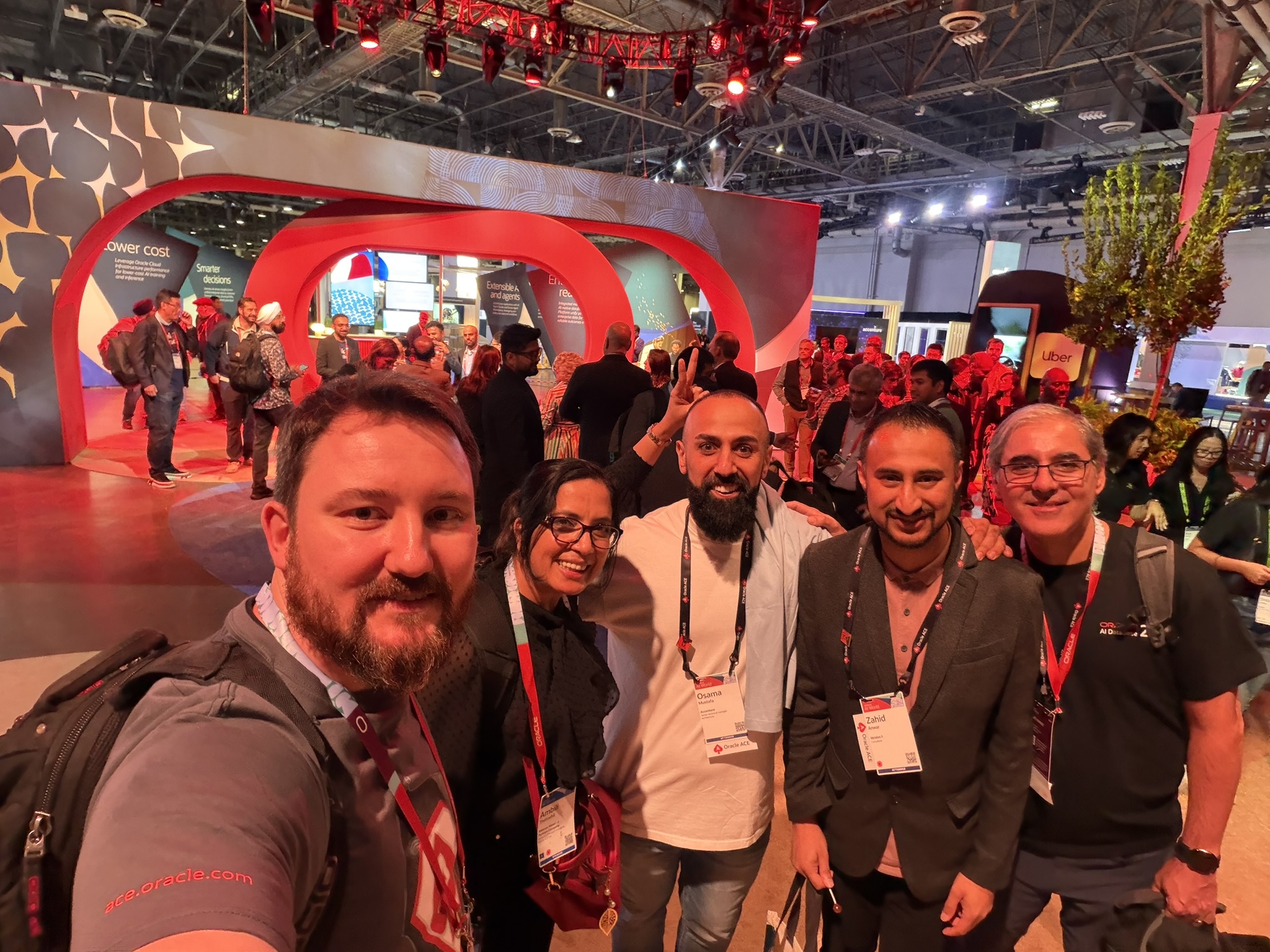
After the keynote, I went to the Oracle ACE booth to do my volunteer shift, telling passing delegates about the Oracle ACE programme along with other ACEs, to see if they were interested in joining. You can find more info here.
KNEX Roaring Into The Future Event
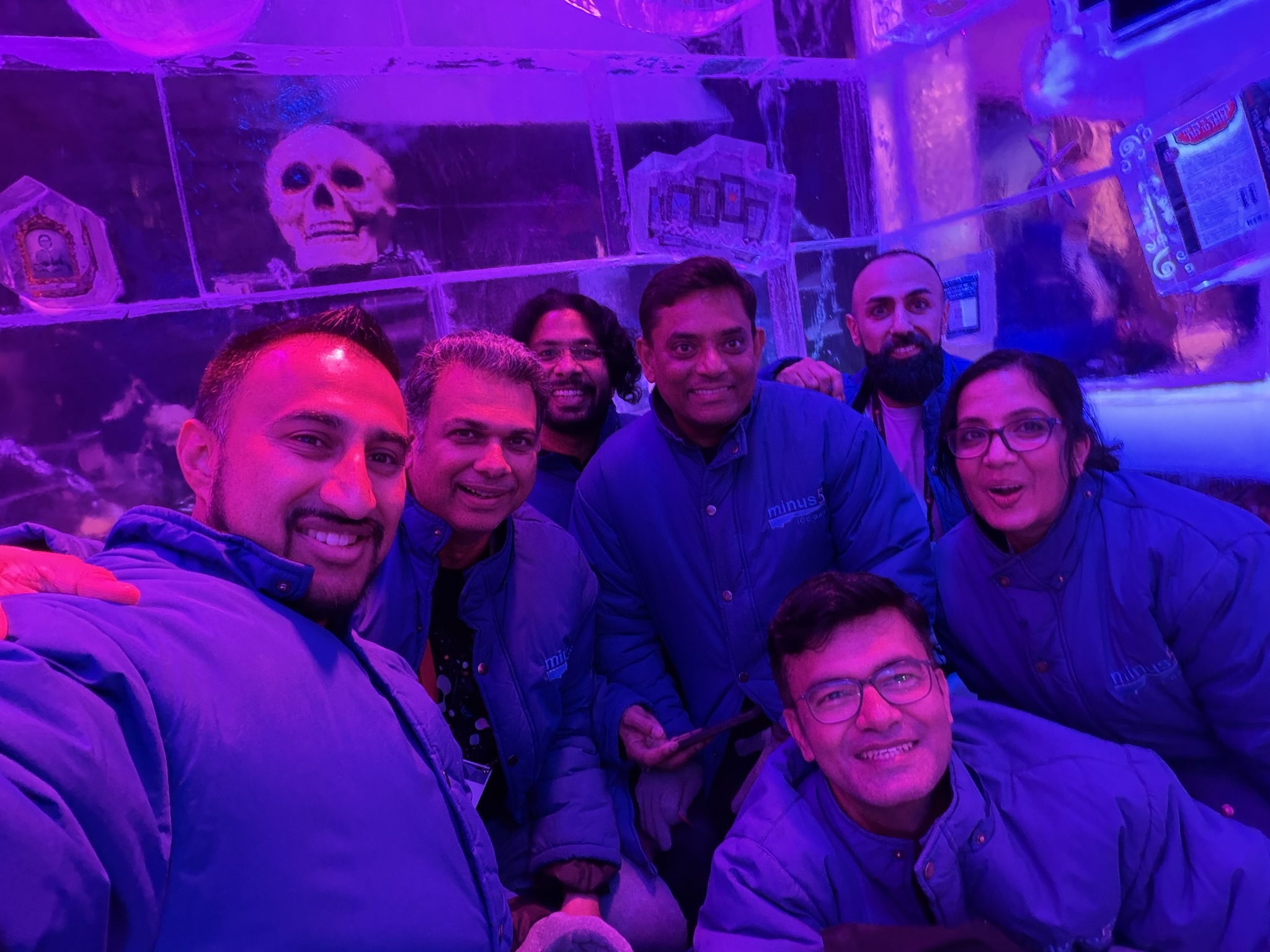
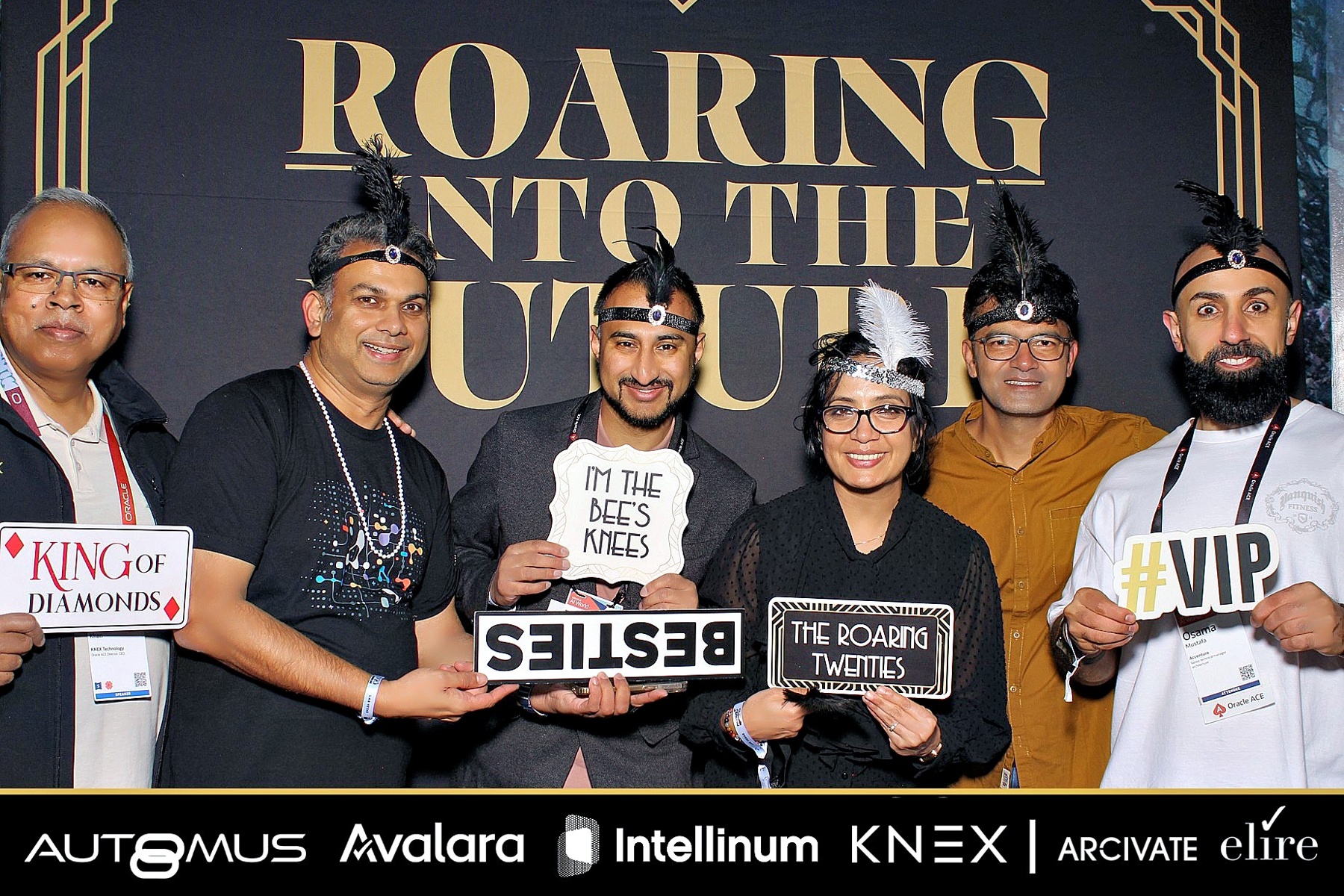
Once I finished my Oracle ACE shift, I went with some Oracle ACEs to the Geek Out Social for Oracle ACEs at Sala 118 in The Venetian. After an hour or so, Osama, Ambili, and I left to meet Sandesh, Sai, and Chandan to go to the KNEX “Roaring Into The Future” event invited by Basheer, the CEO.
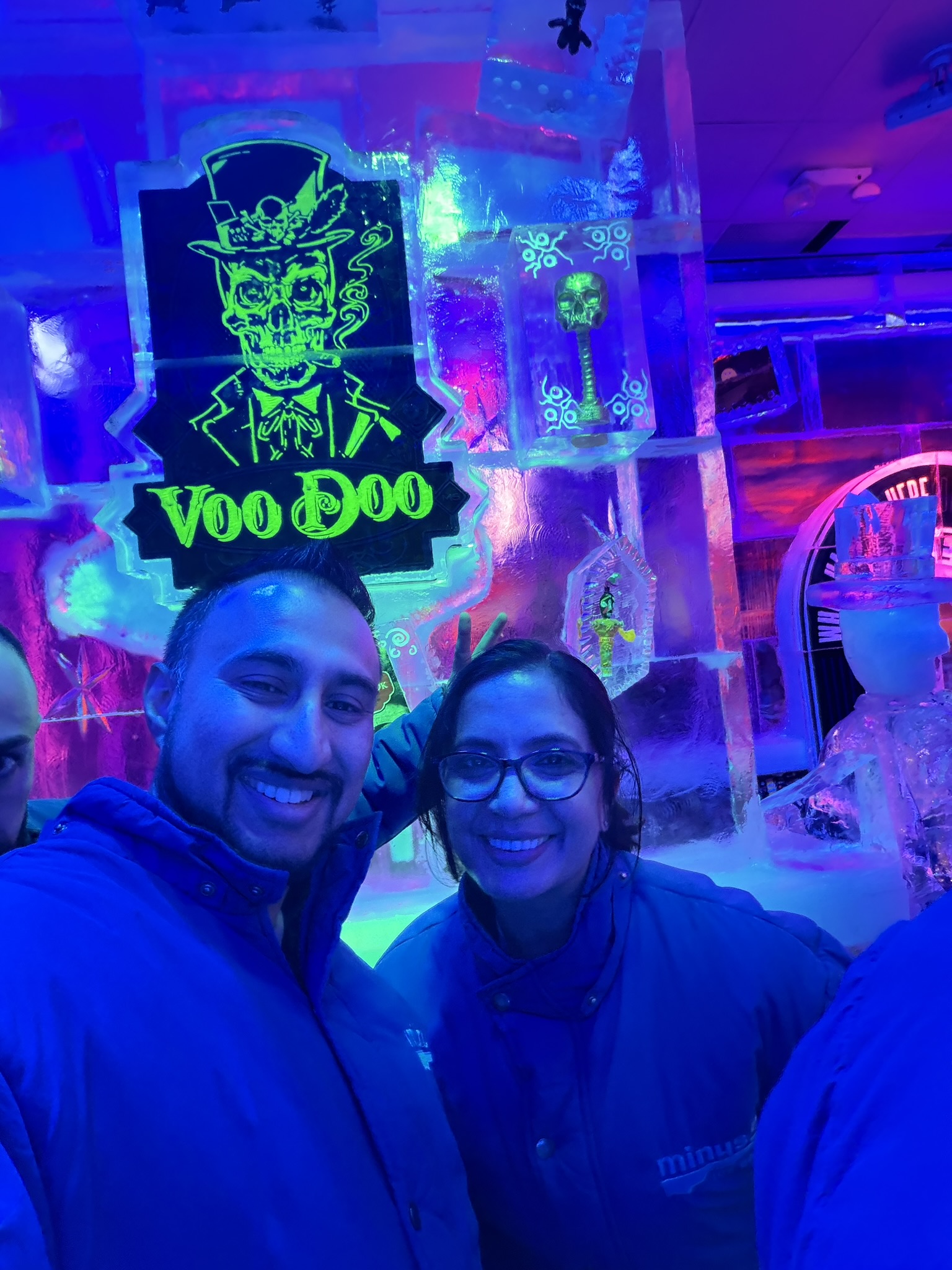
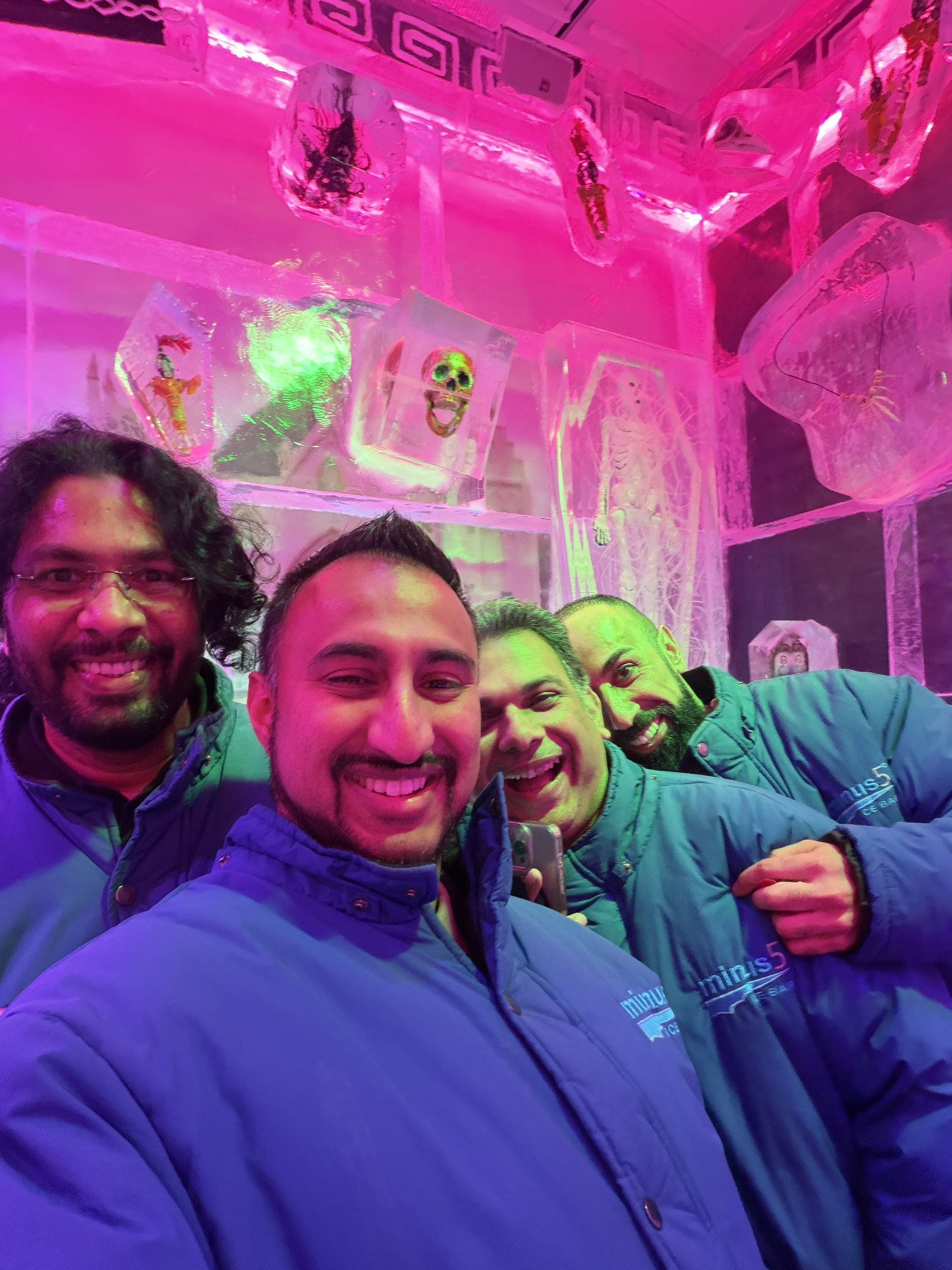
The first part of the event was at the Minus 5 Ice Bar, which is basically a bar made out of ICE! 🧊 I had never been to a place like this, it was an experience, not a place I could stay for too long as it got very cold 🥶 Even the drink was in a glass made of ICE! 🧊







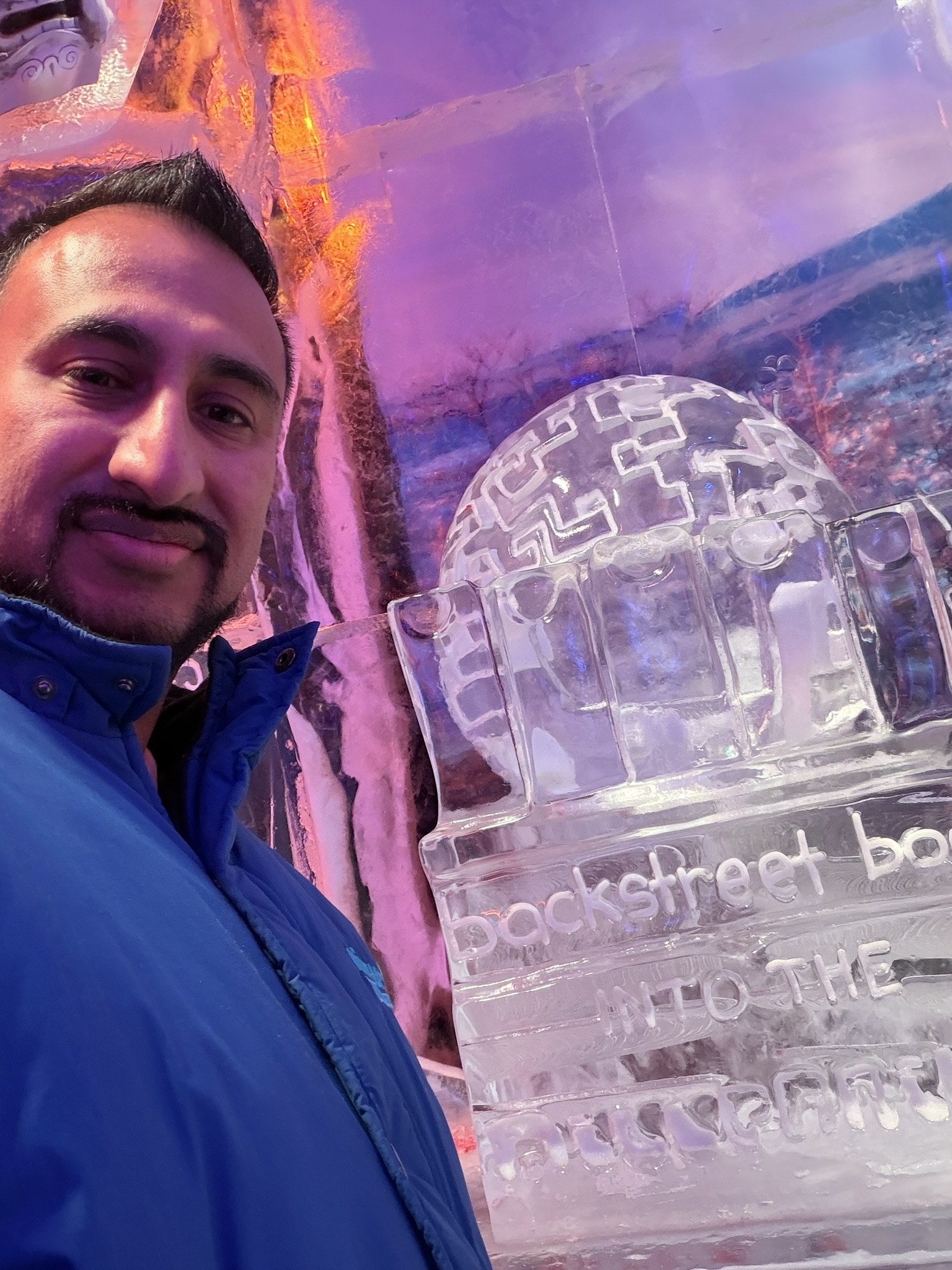
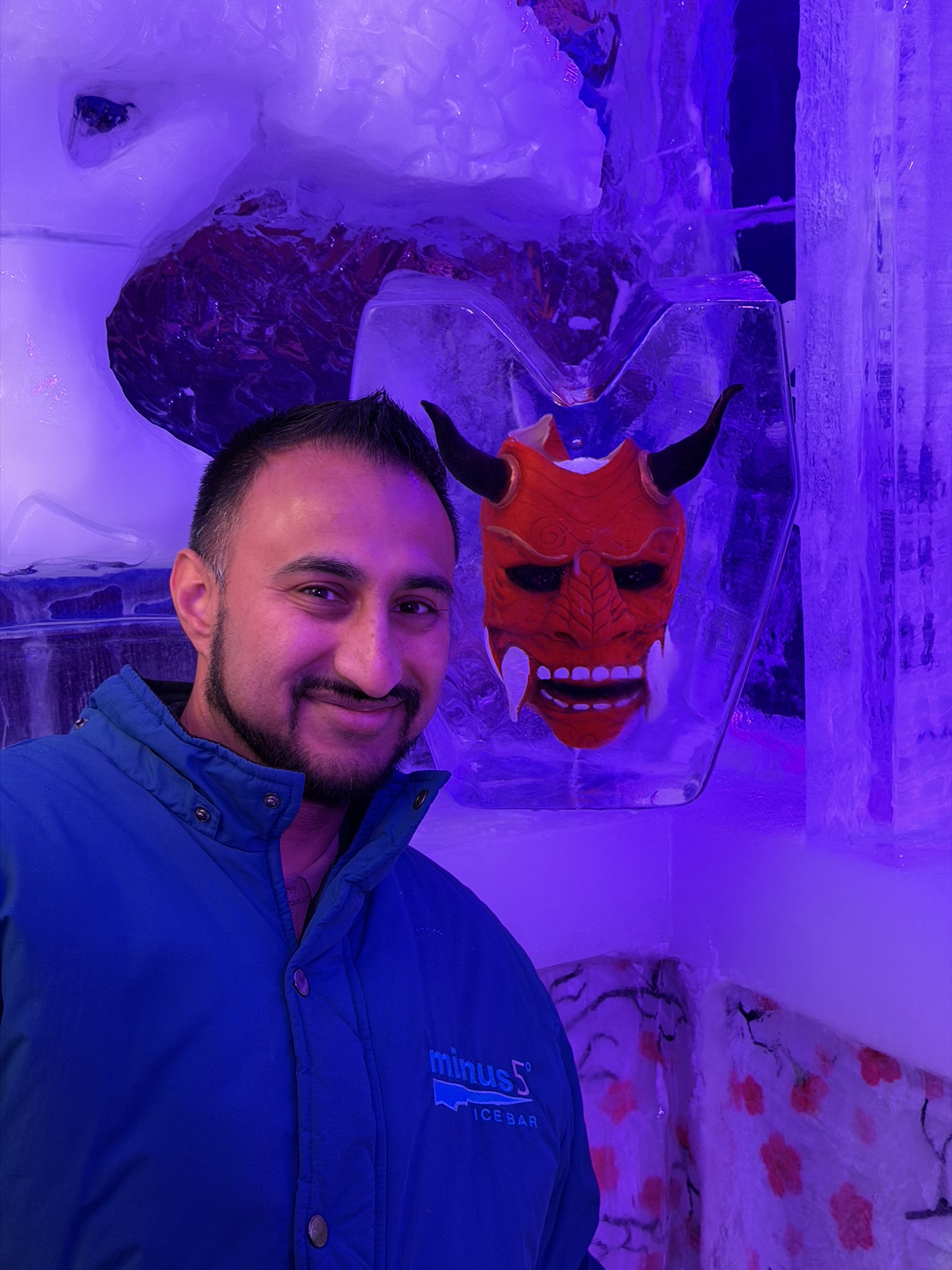
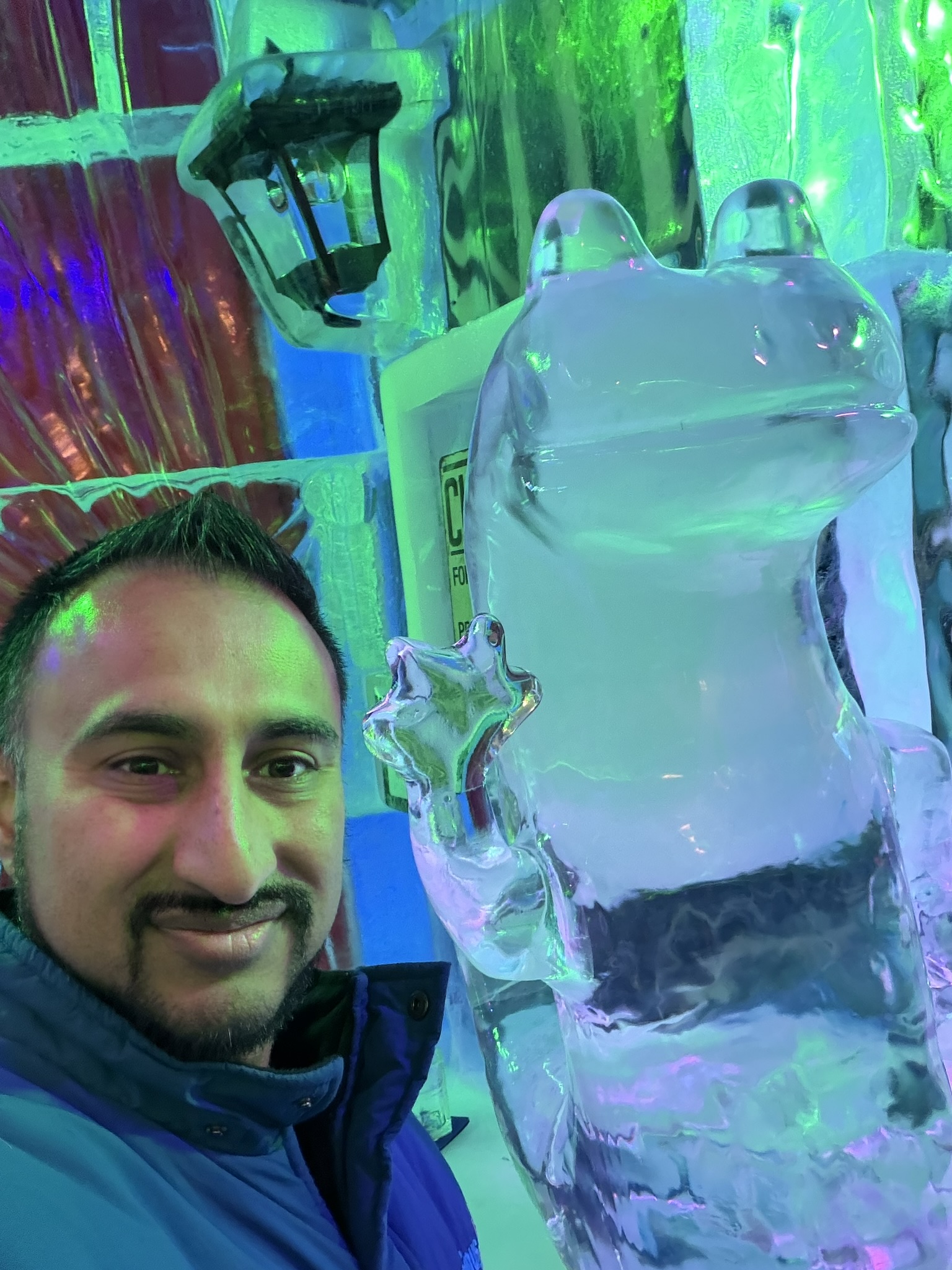
The next part of the event was at the Prohibition Bar, which prior to going in, we got some props to wear for a group photo and to wear in the bar for the 1920’s theme.
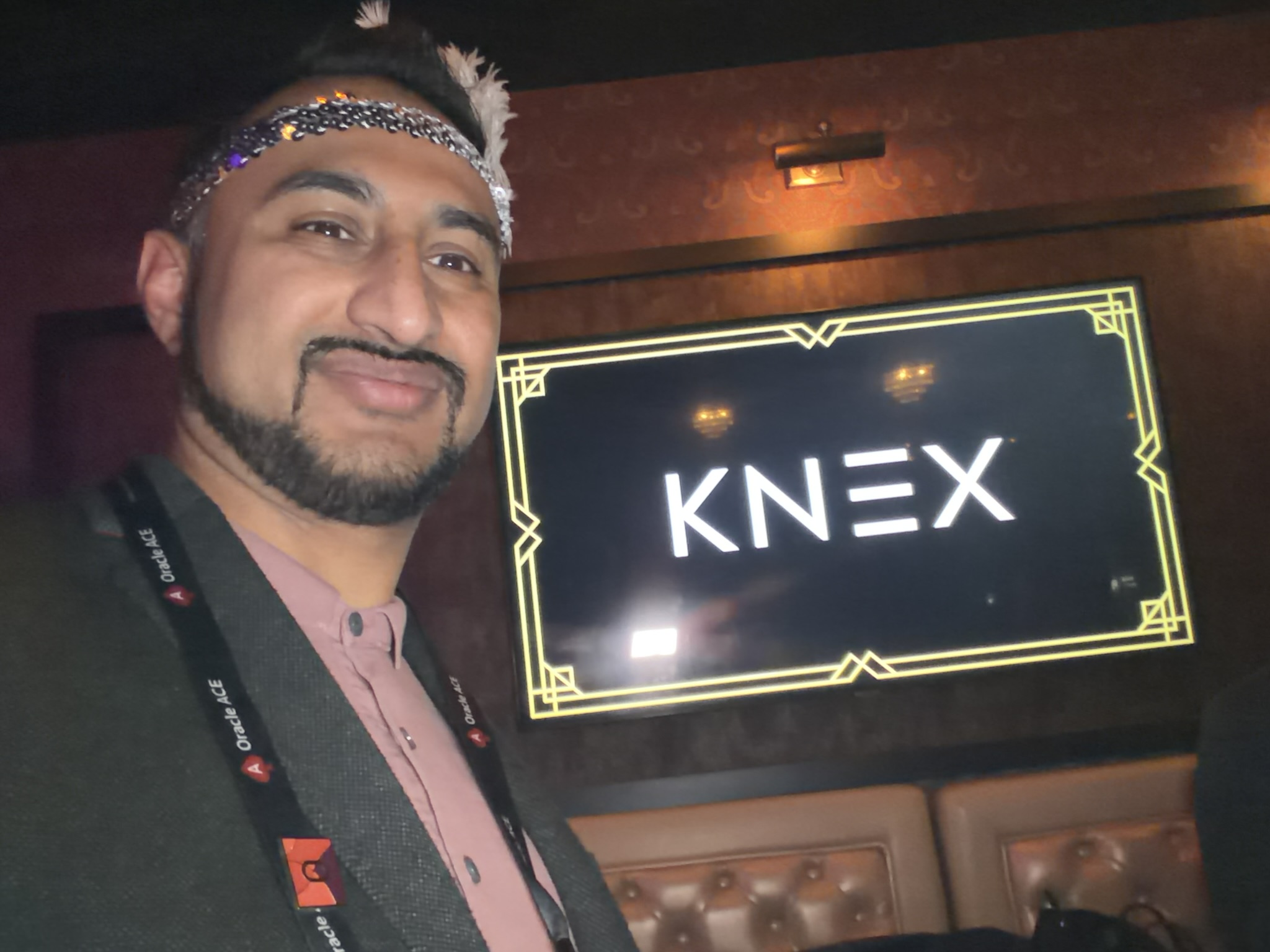
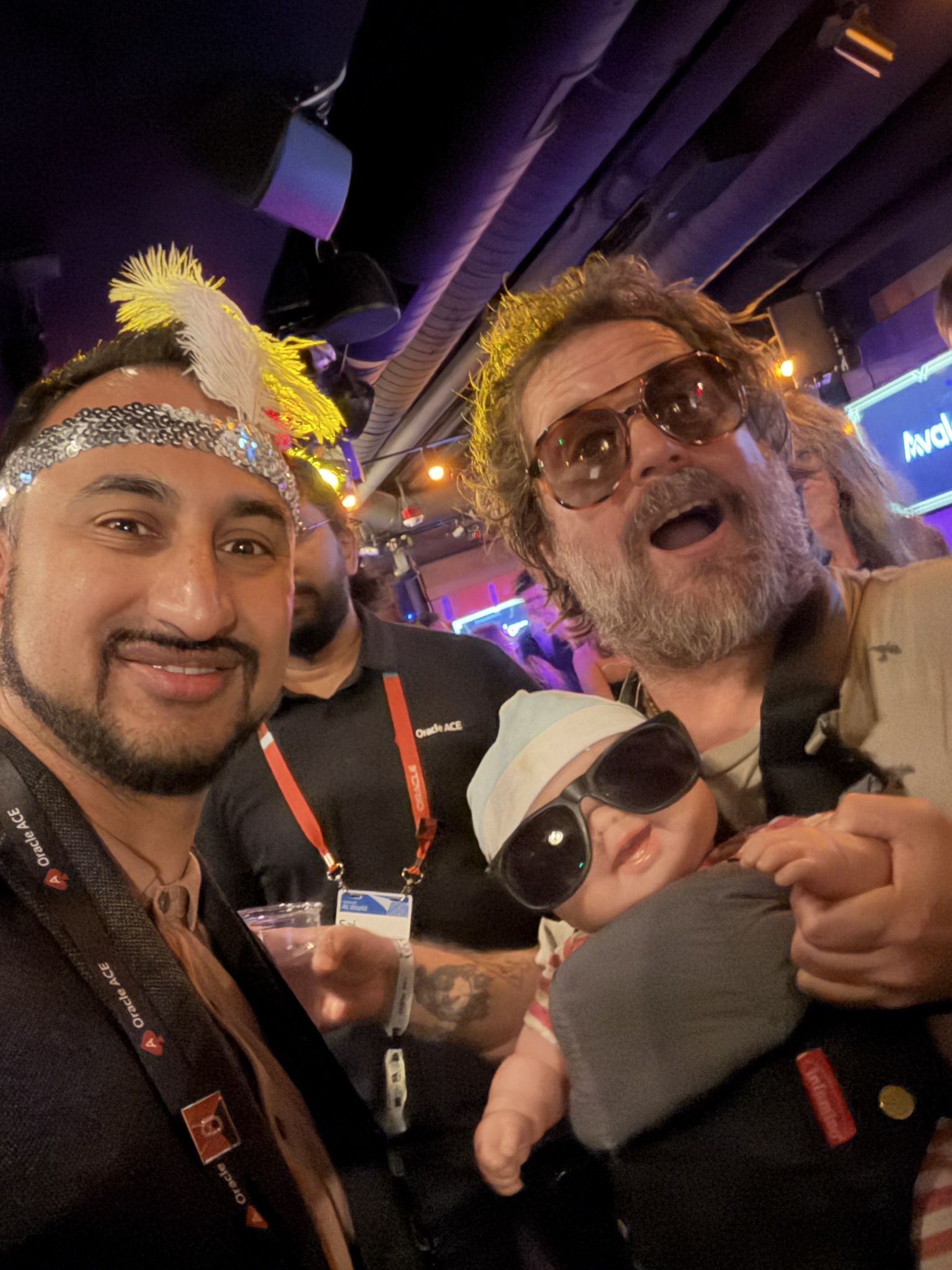
I didn’t stay too long at the Prohibition Bar, as it’s not my thing and I was hungry. So I left with Osama and went for a walk and eventually ended up at Yard House, where we went earlier in the week, and I got another healthy king prawn salad.
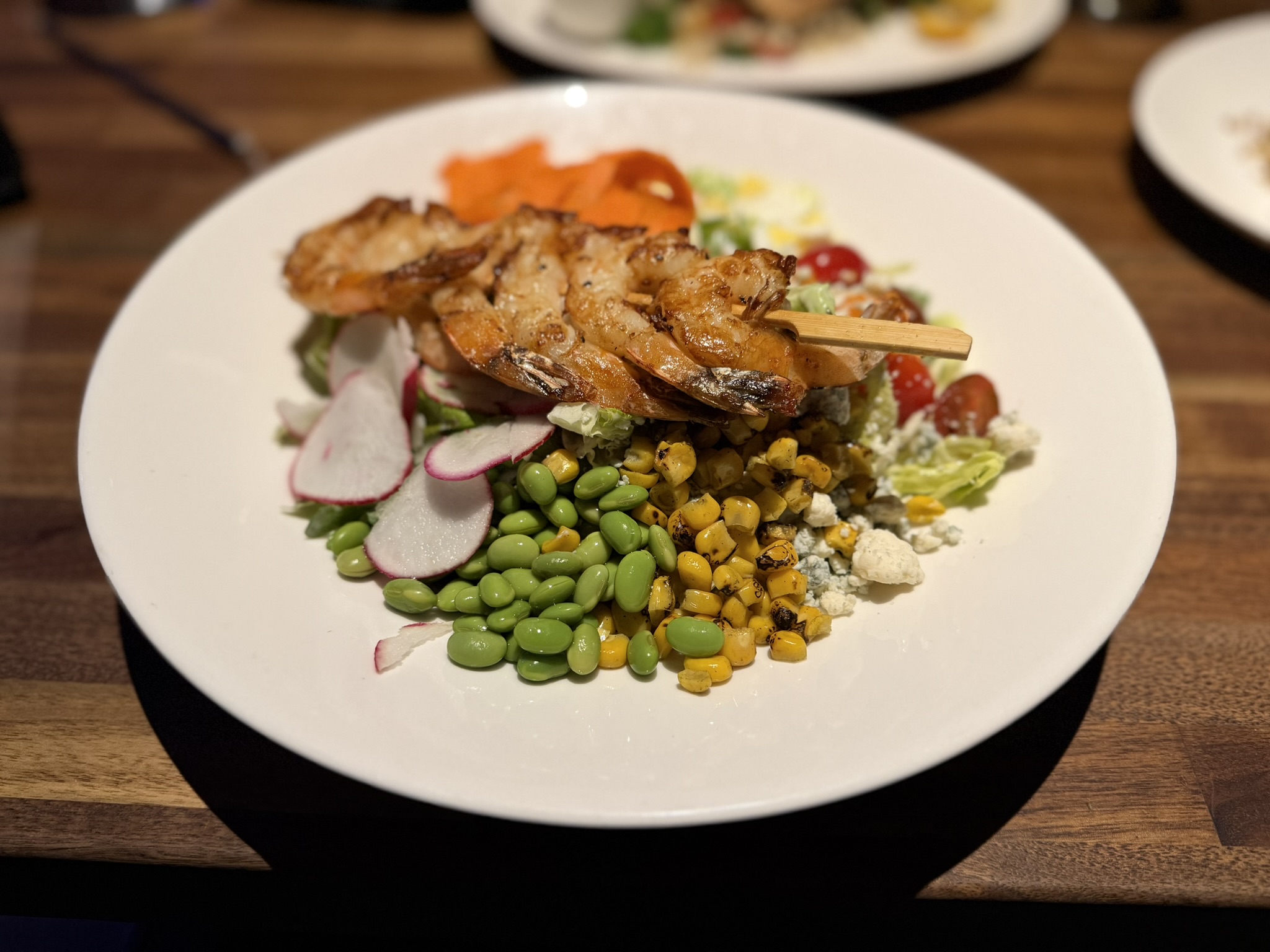
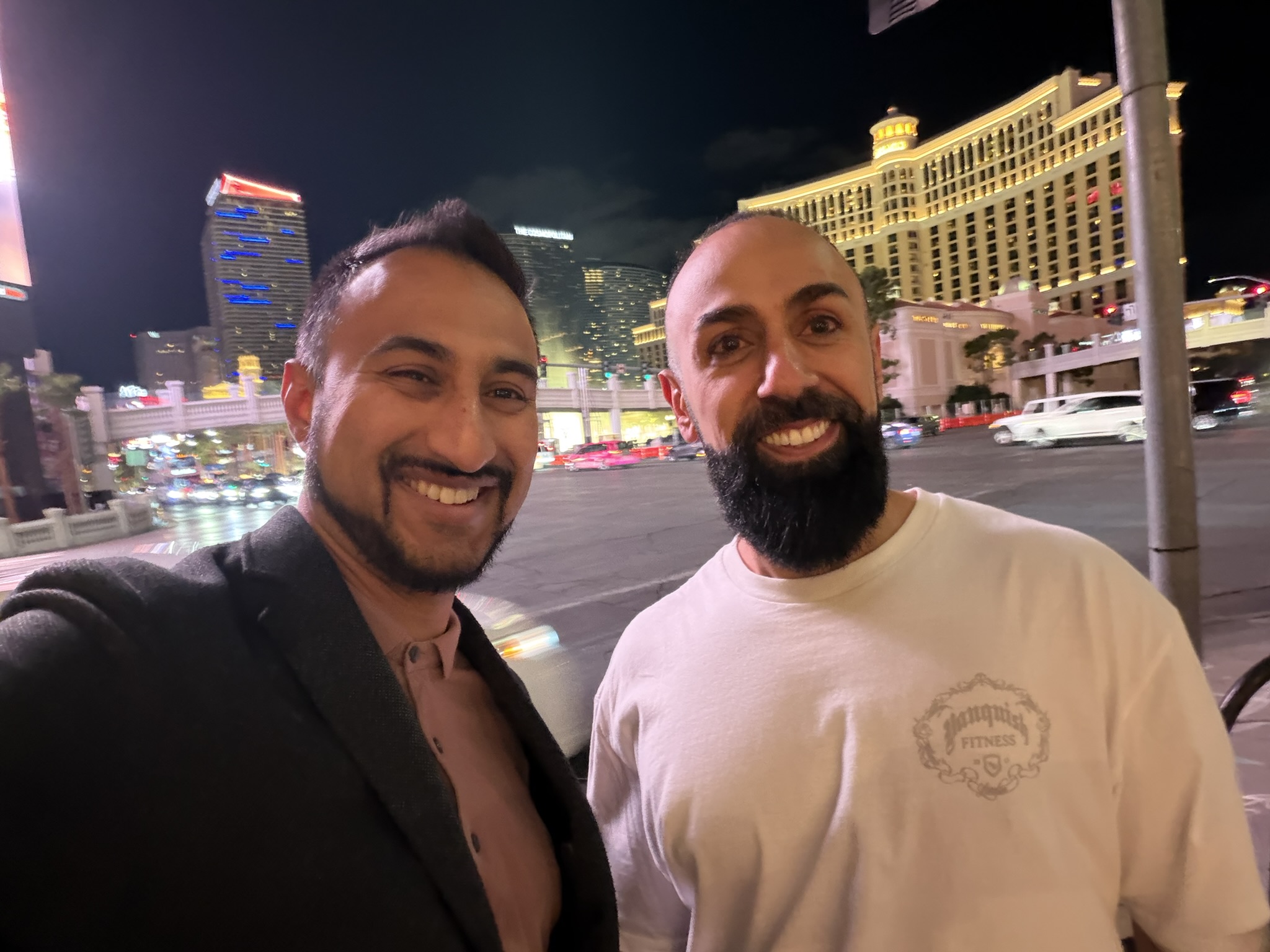
Then it was time to call it a night, for the next day, which will be a full day of conference, ACE dinner, and finally the Oracle AI World Party! 🎉
You can view my day 4 part 1 here.
If you found this blog post useful, please like as well as follow me through my various Social Media avenues available on the sidebar and/or subscribe to this Oracle blog via WordPress/e-mail.
Thanks
Zed DBA (Zahid Anwar)
 Zed DBA's Oracle Blog
Pingback: Oracle AI World 2025 Day 4 Part 1 – Keynote Building the Cloud for You | Zed DBA's Oracle Blog