If you missed my day 1, you can view it here.
The Boring Migration: How to move to multicloud and promoted, not paged
Today was the official start of Oracle AI World 2026 and a pretty special day for me, my first time presenting at Oracle AI World! 😎
After an early breakfast at the hotel, the usual sourdough, avocado and poached eggs, I headed to The Venetian with David from Kobalt, my co-presenter.
And there was no easing ourselves into it. We had the very first session of the conference at 8am!
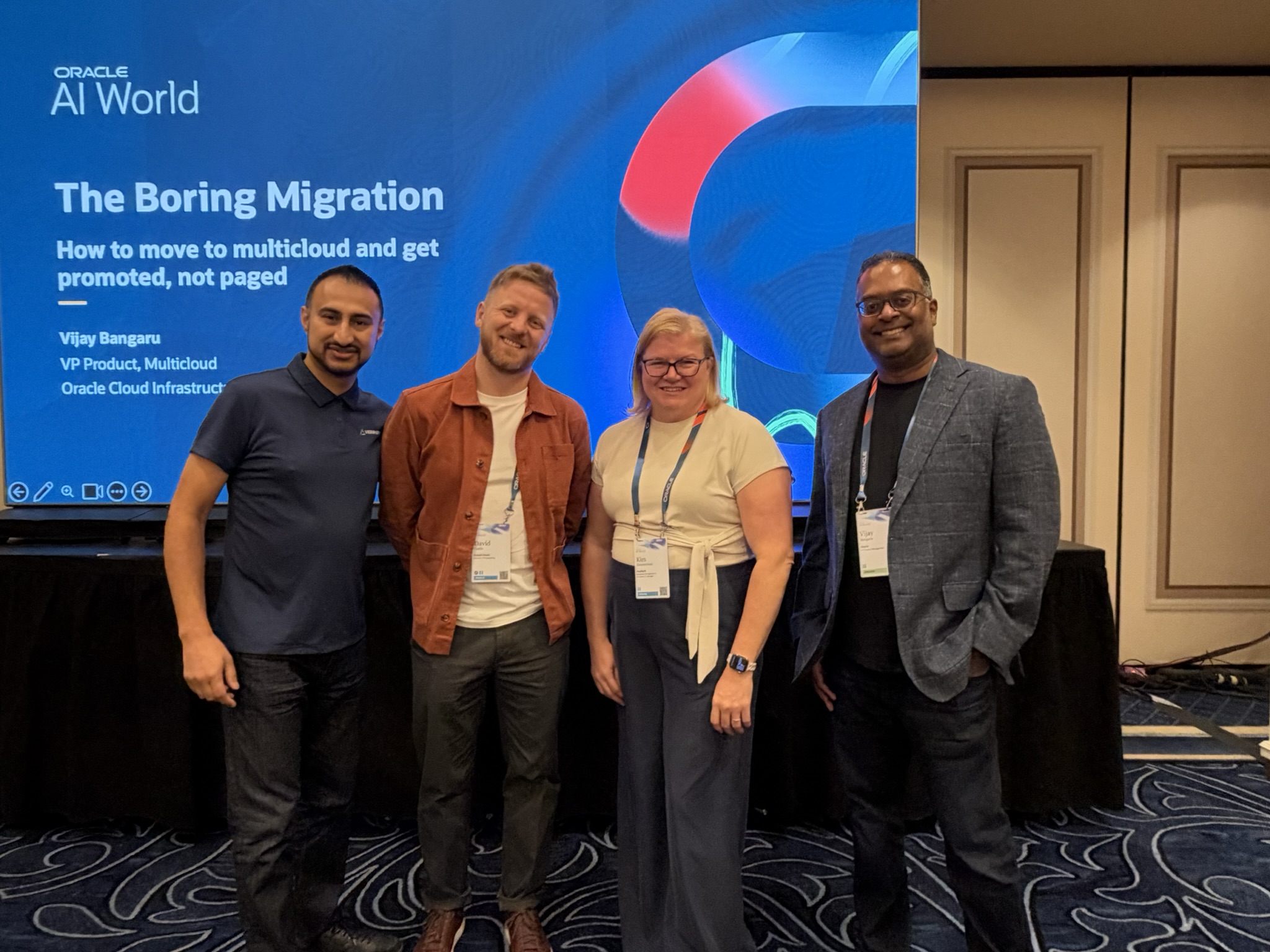
Our session was “The Boring Migration: How to Move to Multicloud and Get Promoted, Not Paged.”
What does a boring migration mean? Simple, moving to Oracle AI Database@Multicloud without any drama! When it comes to a major database migration, boring is definitely a good thing 😎
Vijay Bangaru, Vice President of Product for Multicloud, Oracle Cloud Infrastructure, had kindly invited Version 1 and Kobalt to share our customer success story, alongside Kim from KeyBank.
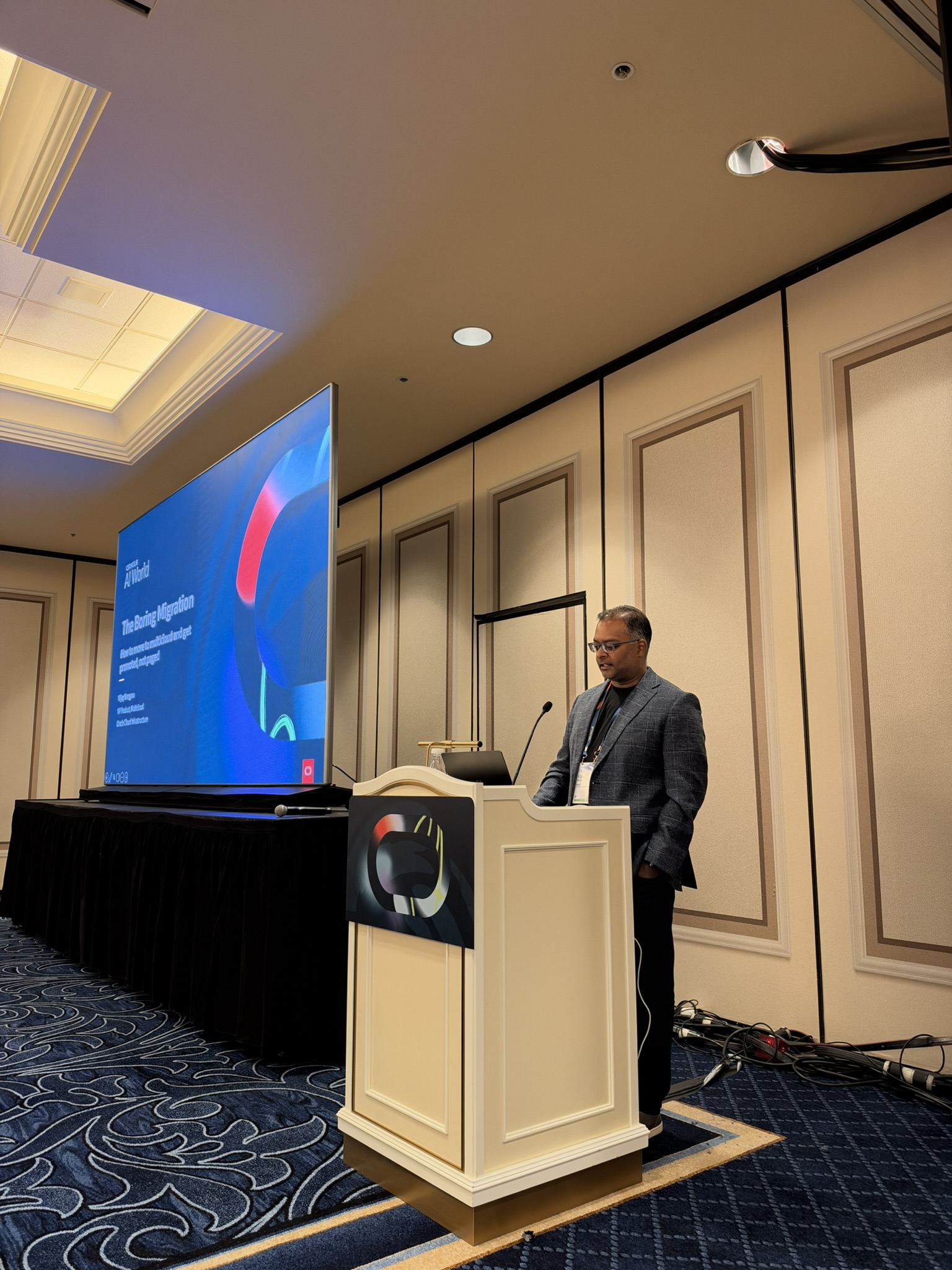
Vijay kicked off the session by introducing Oracle AI Database@Multicloud, explaining what it is, where it’s available and the support available to customers, including funding, partners such as Version 1 and Oracle’s Tiger Team.
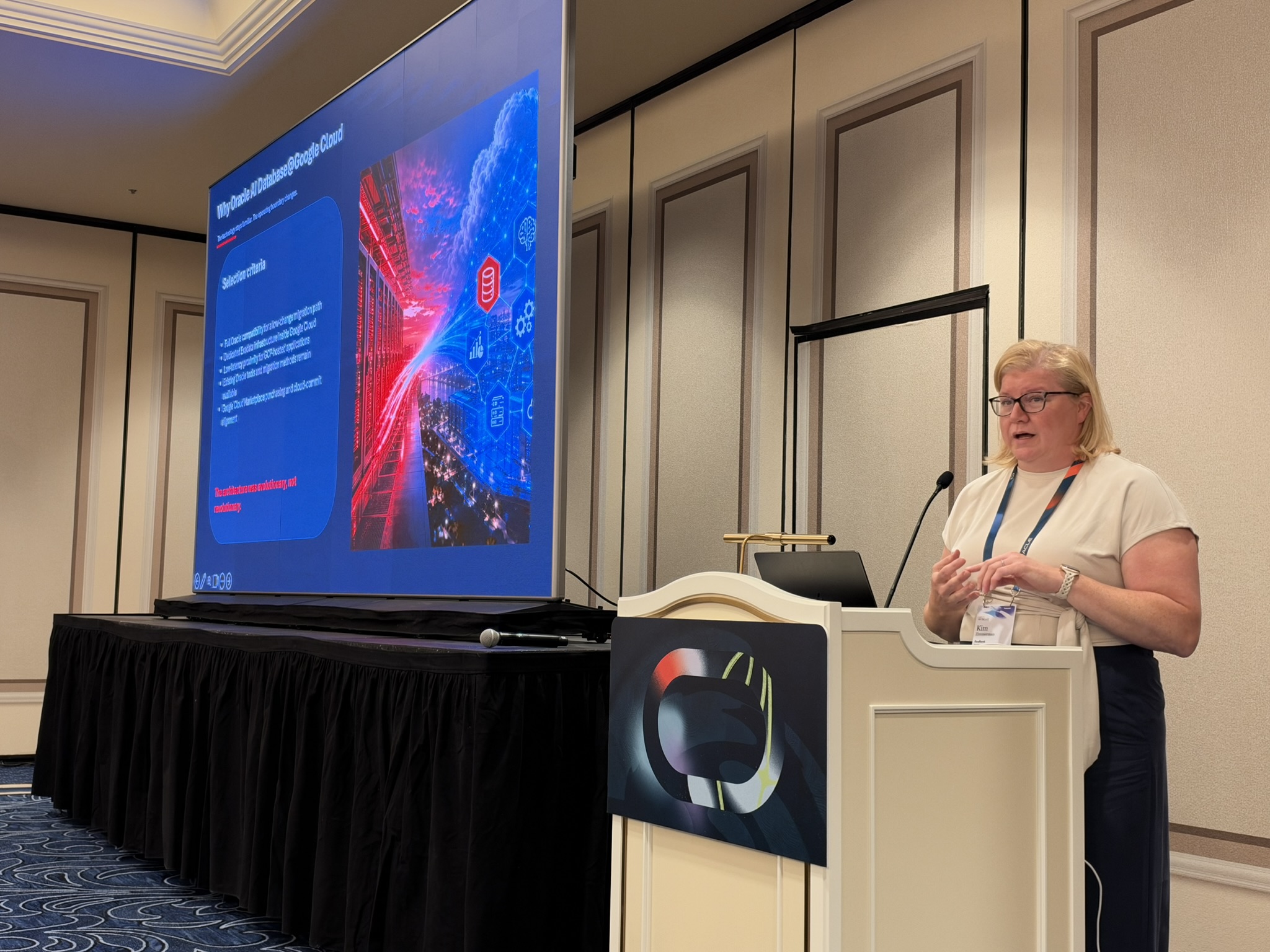
Kim then shared KeyBank’s Oracle AI Database@Google Cloud journey. GCP is their preferred cloud provider, so she explained why bringing Oracle Database into GCP made sense for them, their experience working with Oracle’s Tiger Team, and how the migration has gone so far.
They are still early in the journey, with some non-production workloads migrated, but so far the experience has been positive.
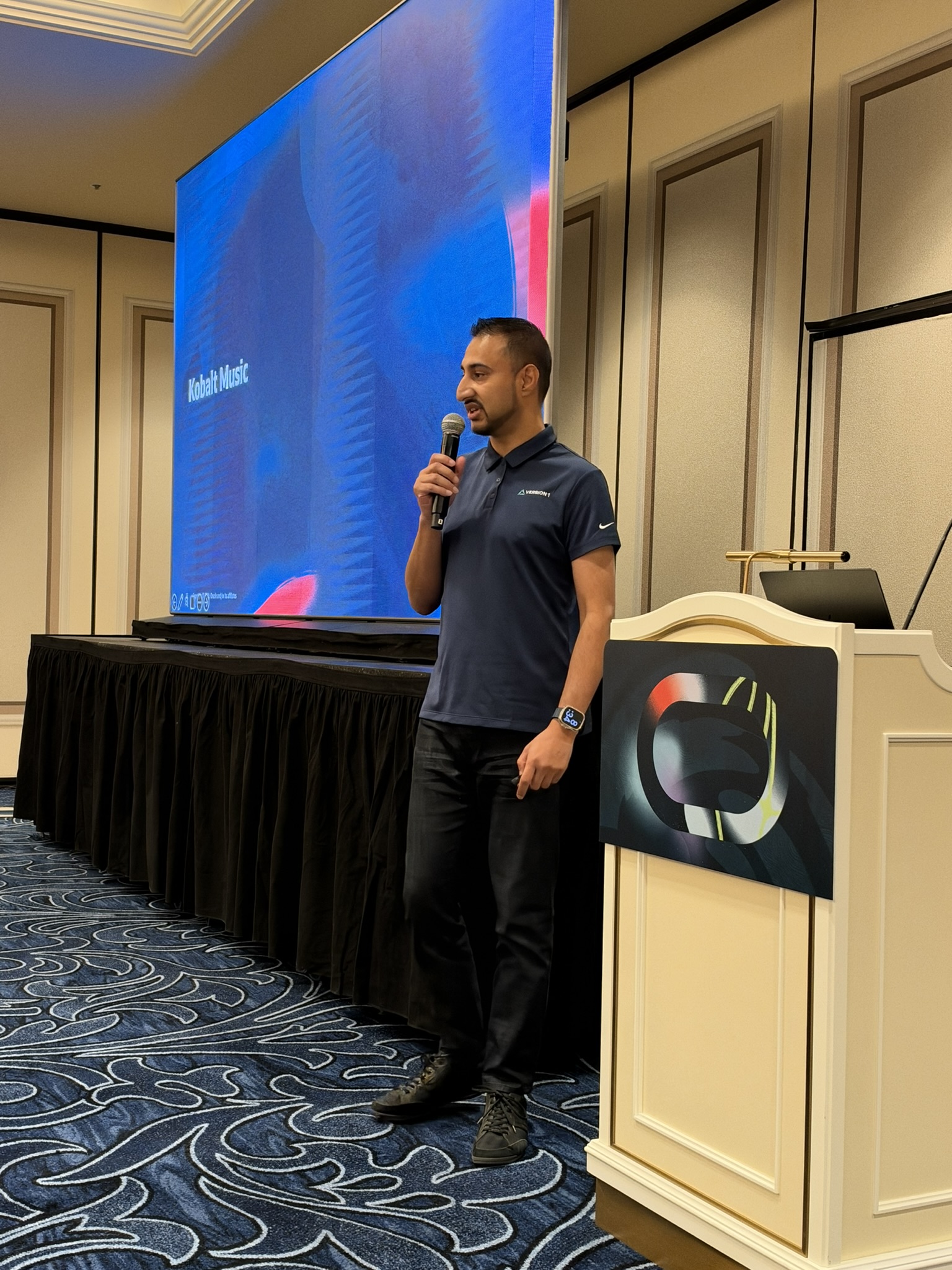
Then came the moment I’d been waiting for! 😎 David and I were up next to share Kobalt Music’s customer success story, taking the audience through their journey of migrating to Oracle AI Database@AWS.
David then shared some numbers that really put the scale of Kobalt Music into perspective. One hit song alone can result in 72.5 billion rightsholder transactions! Yes, billion! 😲
And remember, that’s just one song. When you consider the number of songs Kobalt manages and the royalties they need to calculate and collect for their clients, you can imagine the huge volumes of transactions their systems have to deal with.
Unsurprisingly, there is a lot of data behind all of this. Kobalt has two main databases which, combined, are in excess of 250TB!
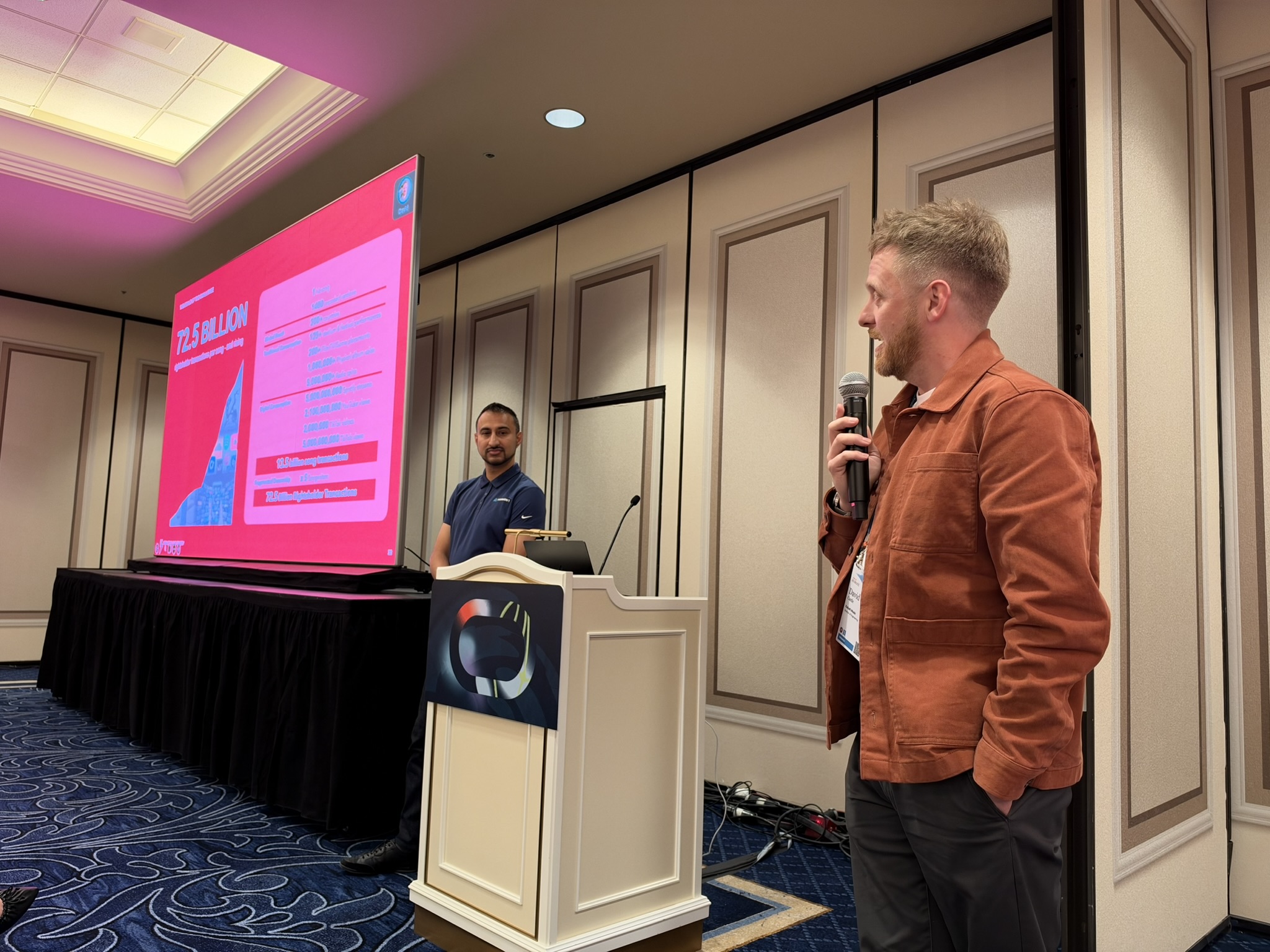
David and I then discussed the what and why behind the migration. Kobalt was already making excellent use of Oracle Exadata in OCI, but with their OCI contract naturally coming to an end, it created the perfect opportunity to step back and evaluate all the available options.
Kobalt was already operating a multicloud model, with their Oracle databases running on Oracle Exadata in OCI, while much of the rest of their technology estate was in AWS. So the opportunity to retain the performance and capabilities of Exadata, but bring the database into AWS through Oracle AI Database@AWS, seemed like a perfect fit.
I then explained how we approached the Total Cost of Ownership (TCO) analysis. We compared remaining on their existing Exadata X9M platform against migrating and upgrading to Exadata X11M, either in OCI or through Oracle AI Database@AWS.
What was particularly interesting was that even after factoring in the cost of the migration, the overall TCO was lower. Moving to the newer X11M generation meant Kobalt could reduce the number of storage cells required because of the increased storage capacity, while the improved performance also meant fewer ECPUs were needed.
But the benefits went beyond the infrastructure savings. Moving the database closer to Kobalt’s existing AWS estate also removed the associated transit gateway costs, while providing lower latency and higher bandwidth between the database and AWS services. In turn, this opened up opportunities for Kobalt to make greater use of AWS services alongside their Oracle databases.
When we brought the commercial and technical benefits together, Oracle AI Database@AWS became the obvious recommendation for Kobalt, and one they ultimately accepted.
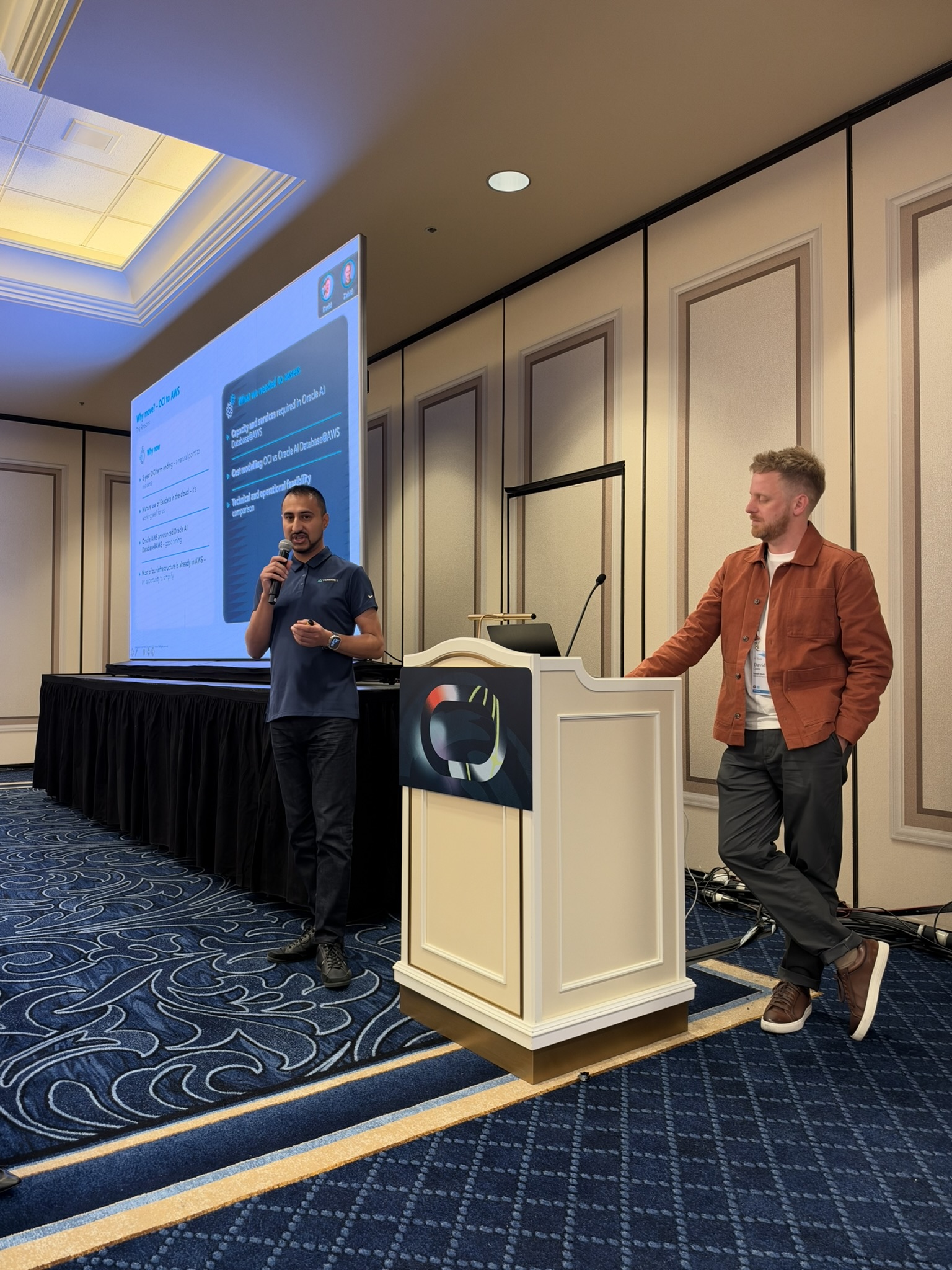
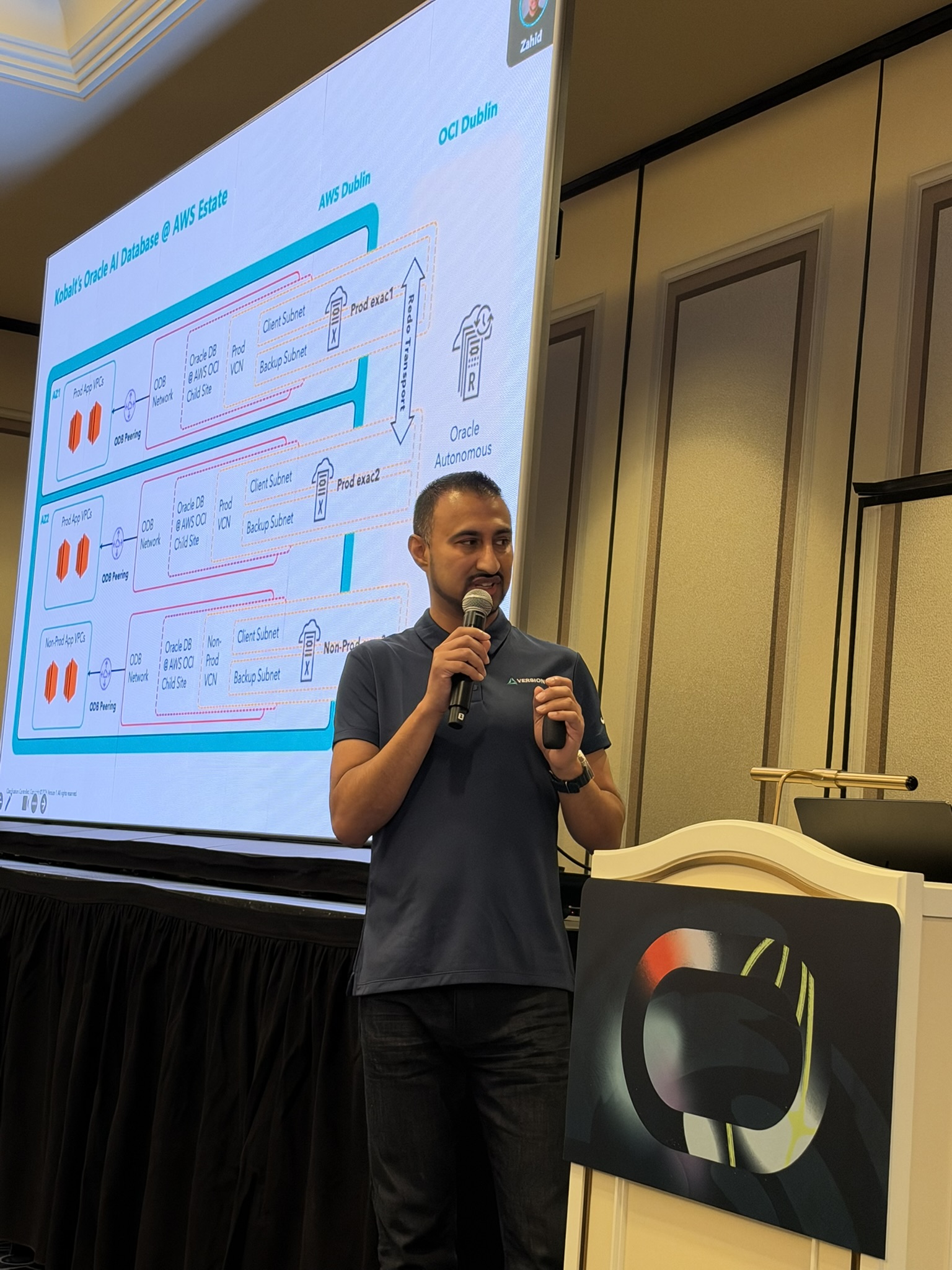
I then moved onto how we actually delivered the migration. We built Kobalt’s new Oracle AI Database@AWS environment in the Dublin region across two Availability Zones, connecting the ODB network through ODB peering into multiple AWS accounts.
The really proud moment for me was being able to say that we had successfully completed the migration, including production! We had taken the project all the way from the initial TCO and architecture discussions through to a fully migrated production environment.
And what a journey it had been. Along the way, we were also incredibly proud to see Kobalt’s story featured at the Oracle AI Database@AWS launch events in both London and Dublin. 😎
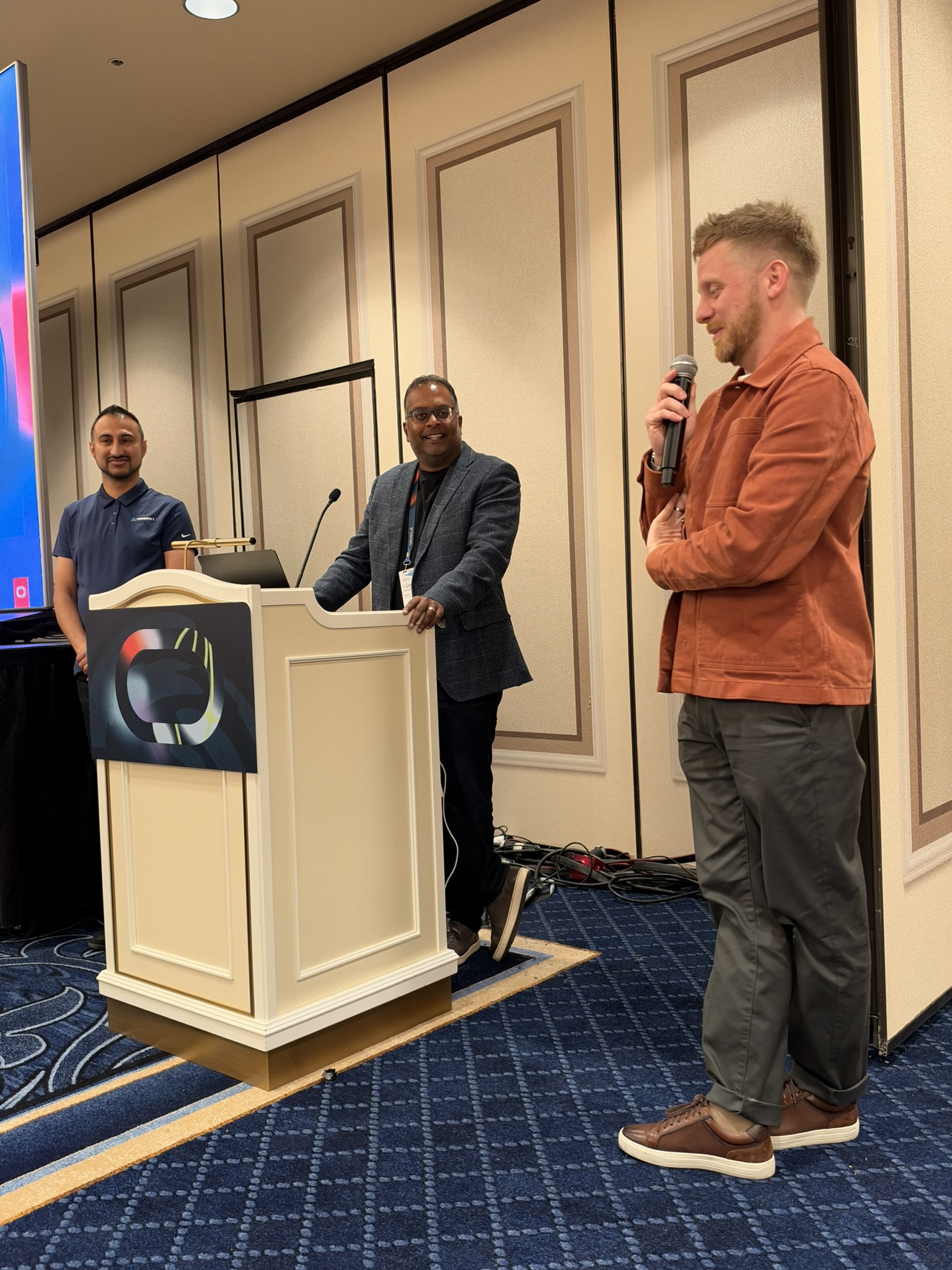
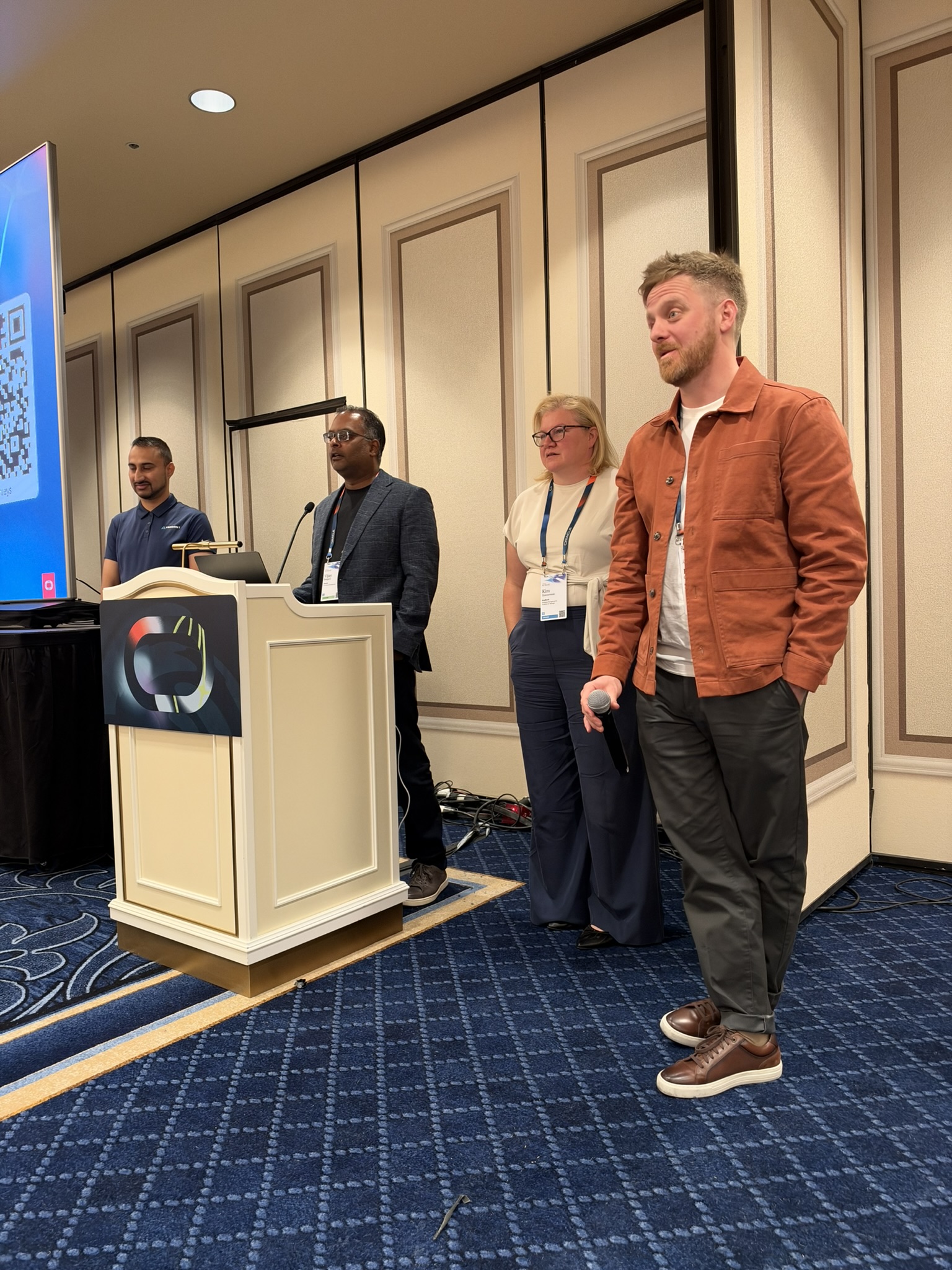
Finally, Vijay finished with a few questions for David and me about the migration. One of them was simply, “What was one of your key takeaways?”
David gave an answer that had everyone laughing. Apparently, his QA Manager was disappointed that there hadn’t been any issues and wanted at least one problem, just so the migration would feel normal! 😂
I thought that was the perfect way to end our part of the session because it captured exactly what “The Boring Migration” was all about.
No drama. No nasty surprises. No being paged because something had gone wrong. Just a successful migration.
Sometimes, boring really is a good thing! 😎
Before I finish, I have to give photo credits to Leona, who took all the photos on my iPhone 📱 and made sure the moment was properly captured! 📸
I also want to say a huge thank you to my Oracle ACE friends who came along to support me, take plenty more photos and make me feel very special. 🫶🏽
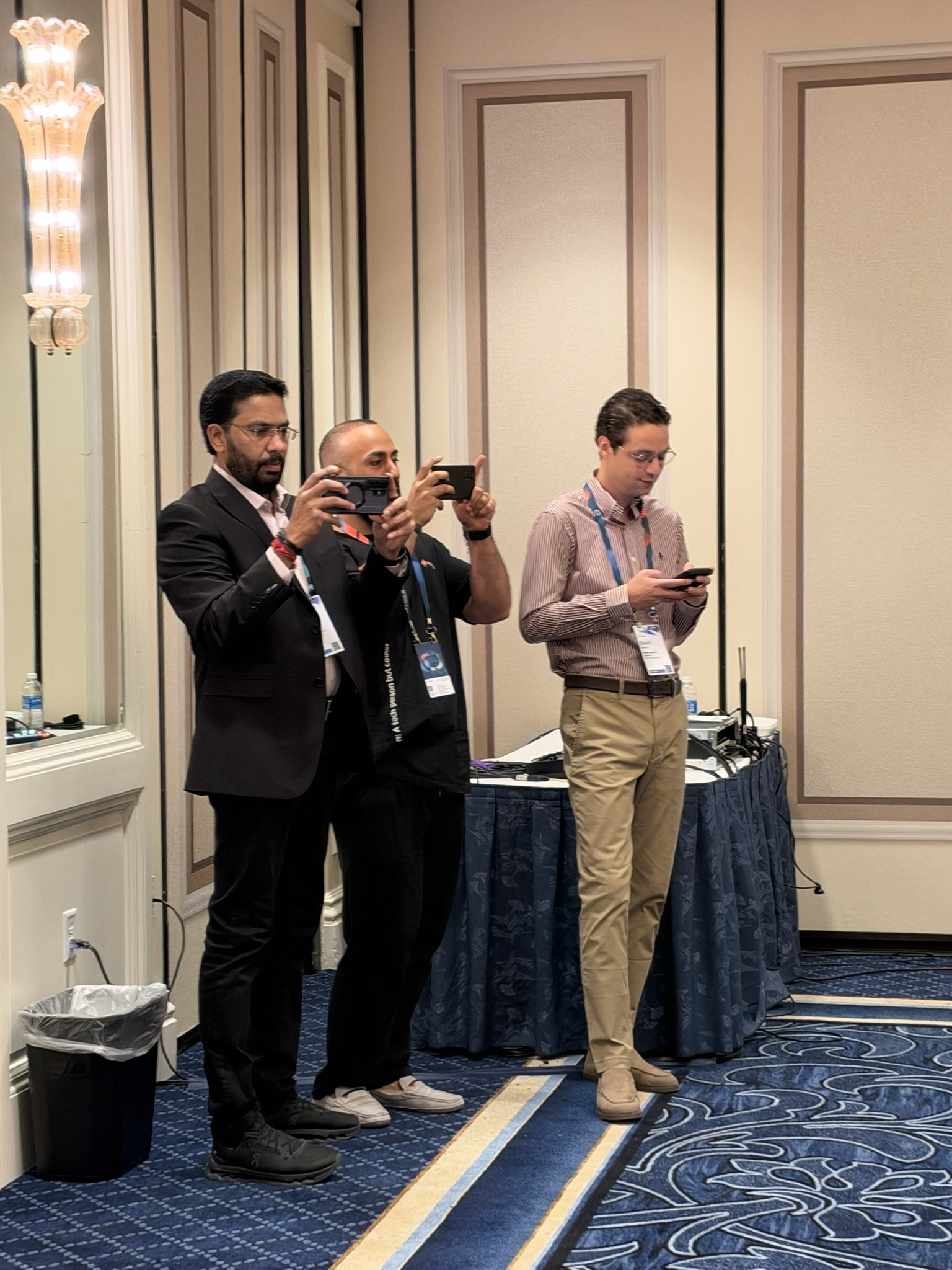
Having friends there supporting me meant a lot and made my first ever presentation at Oracle AI World that little bit more special! 😎
Keynote: Where AI Means Business
After the excitement of presenting Kobalt Music customer story, there wasn’t much time to relax! Next, I headed over to the main Keynote Hall for one of the main keynote sessions of Oracle AI World, “Oracle: Where AI Means Business.”
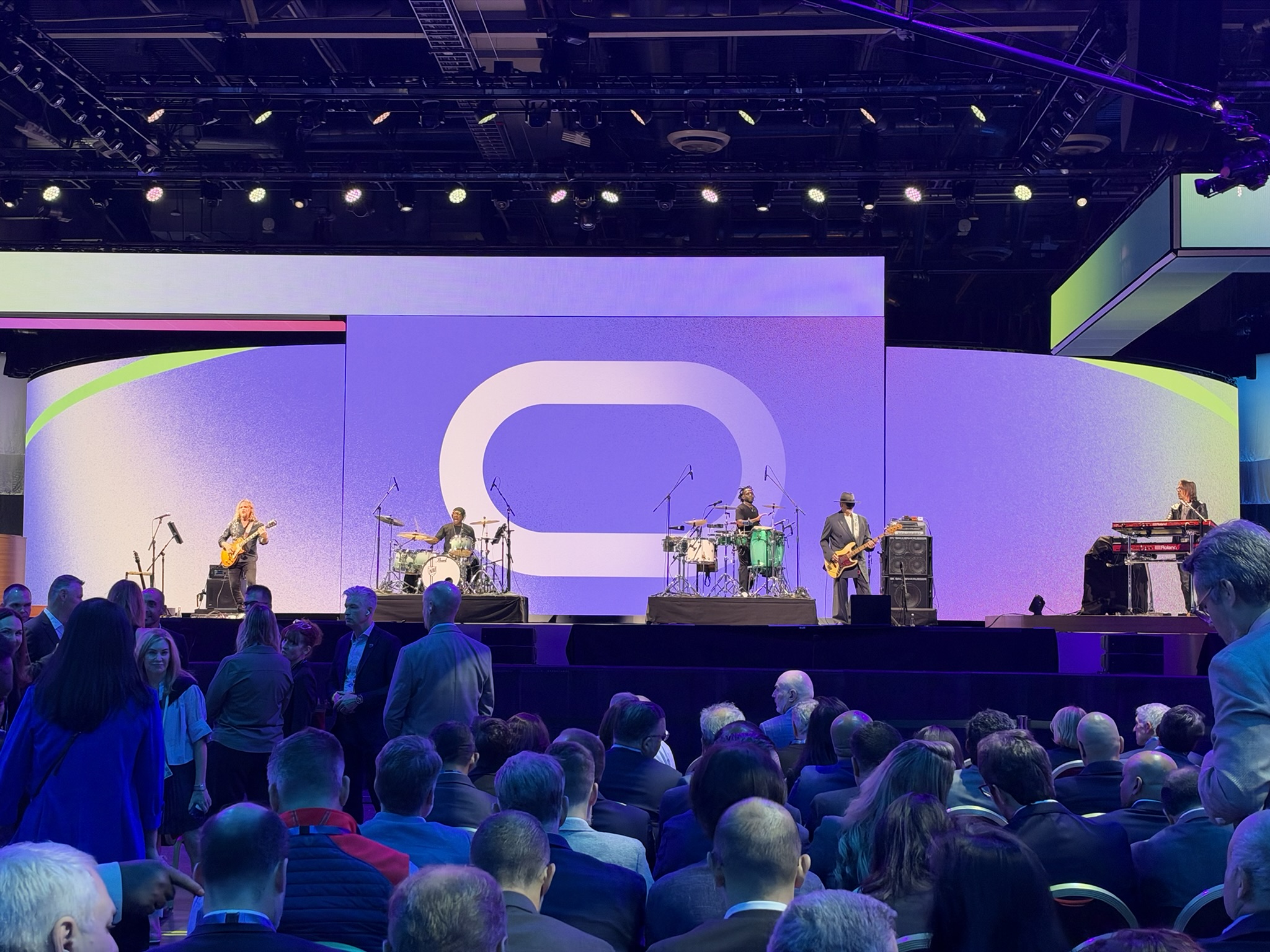
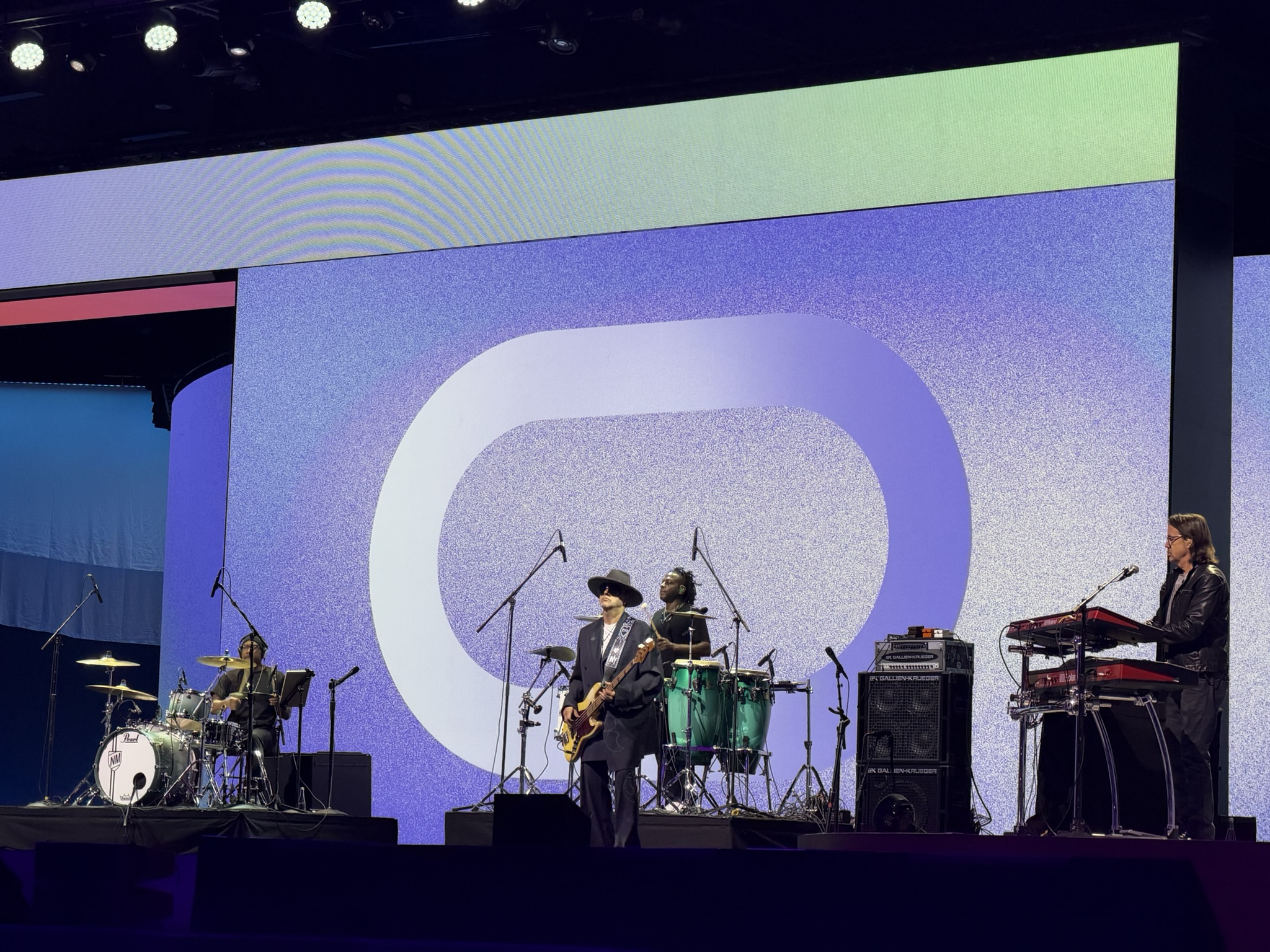
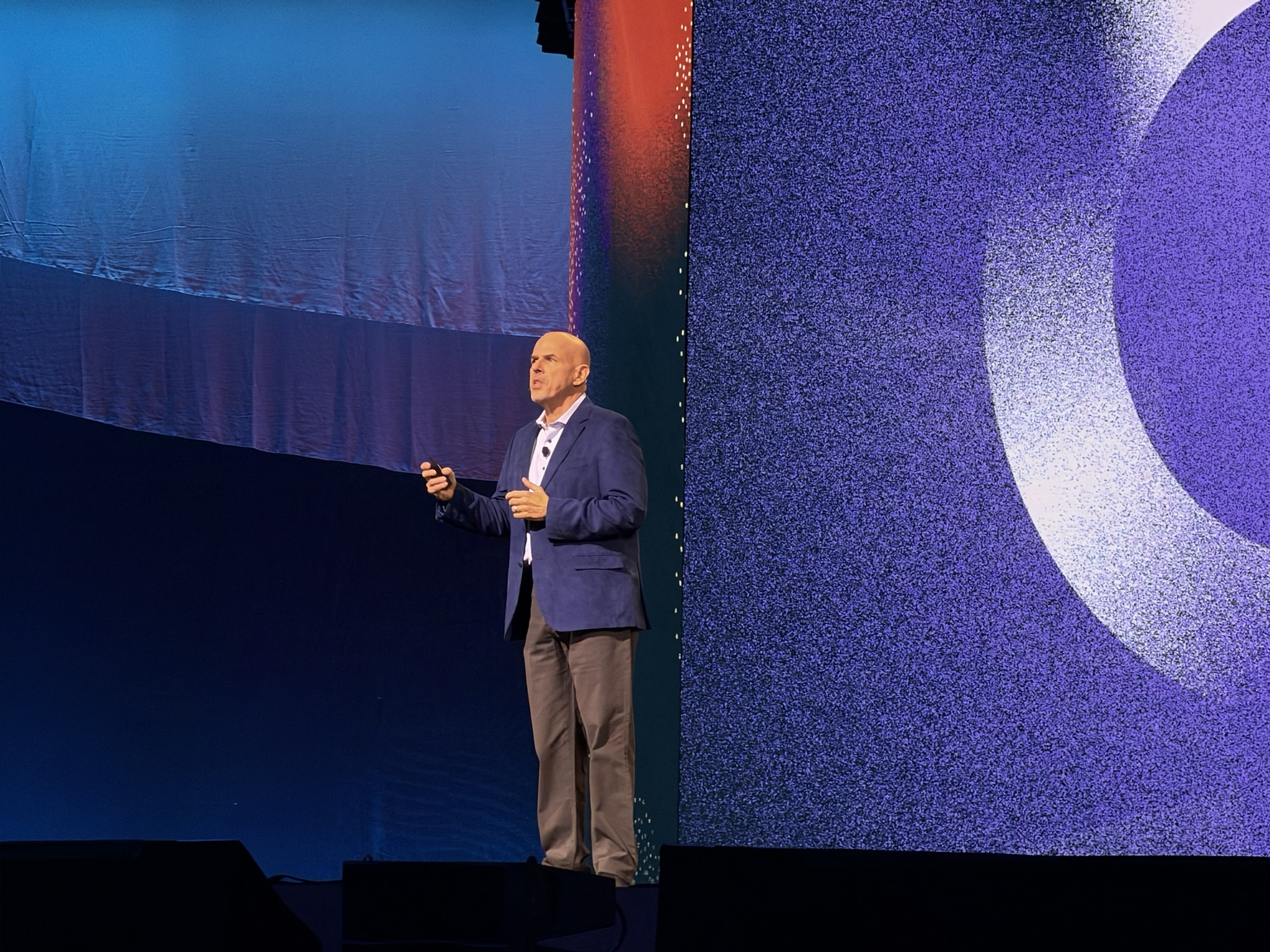
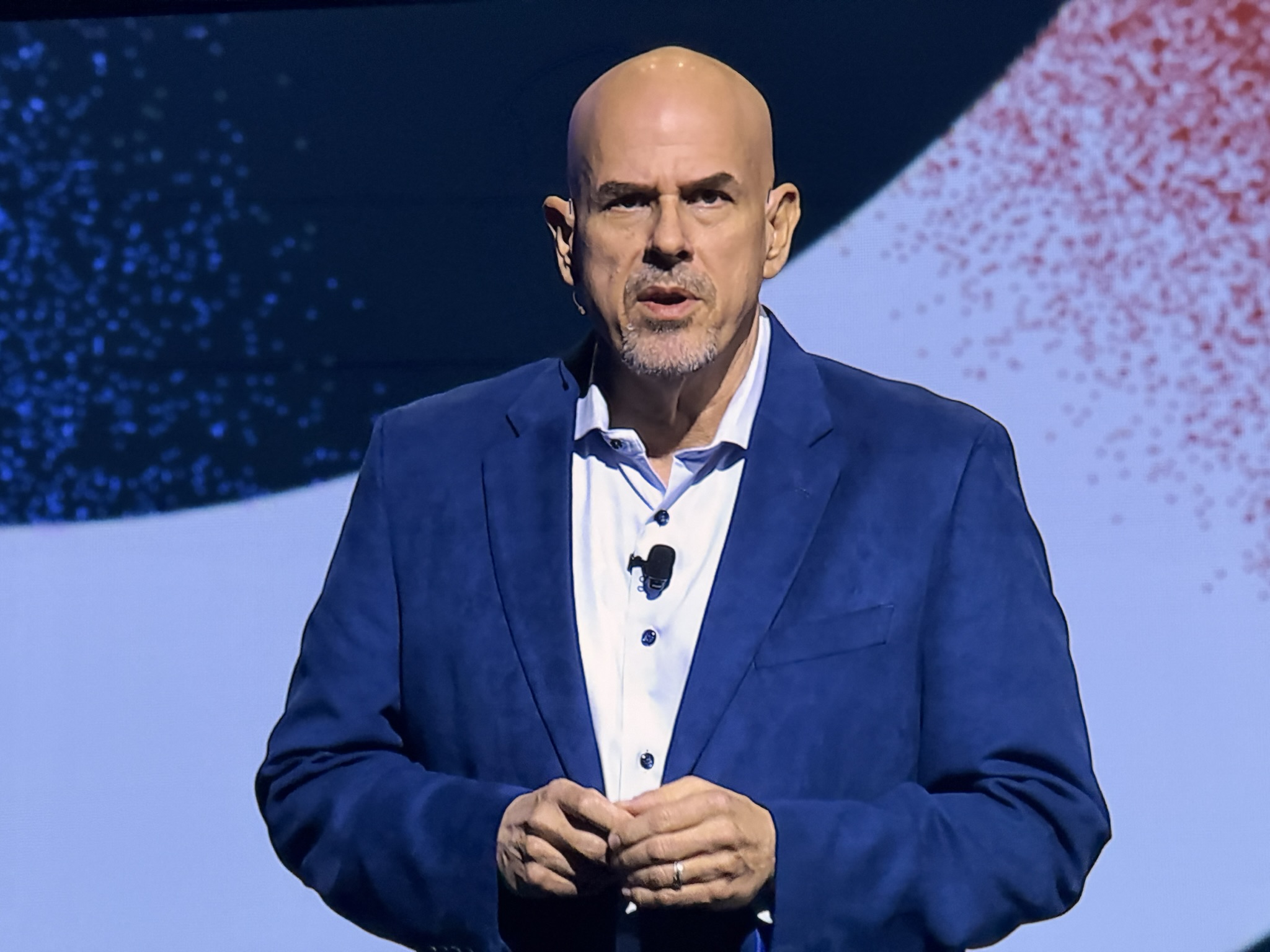
The keynote was led by Mike Sicilia, CEO of Oracle, and the message from the very beginning was clear: AI is no longer just about what is technically possible, it is about using AI to deliver real and measurable business outcomes. Oracle’s focus was on bringing AI together with trusted enterprise data, applications and business processes rather than treating AI as something separate from the platforms businesses already use every day.
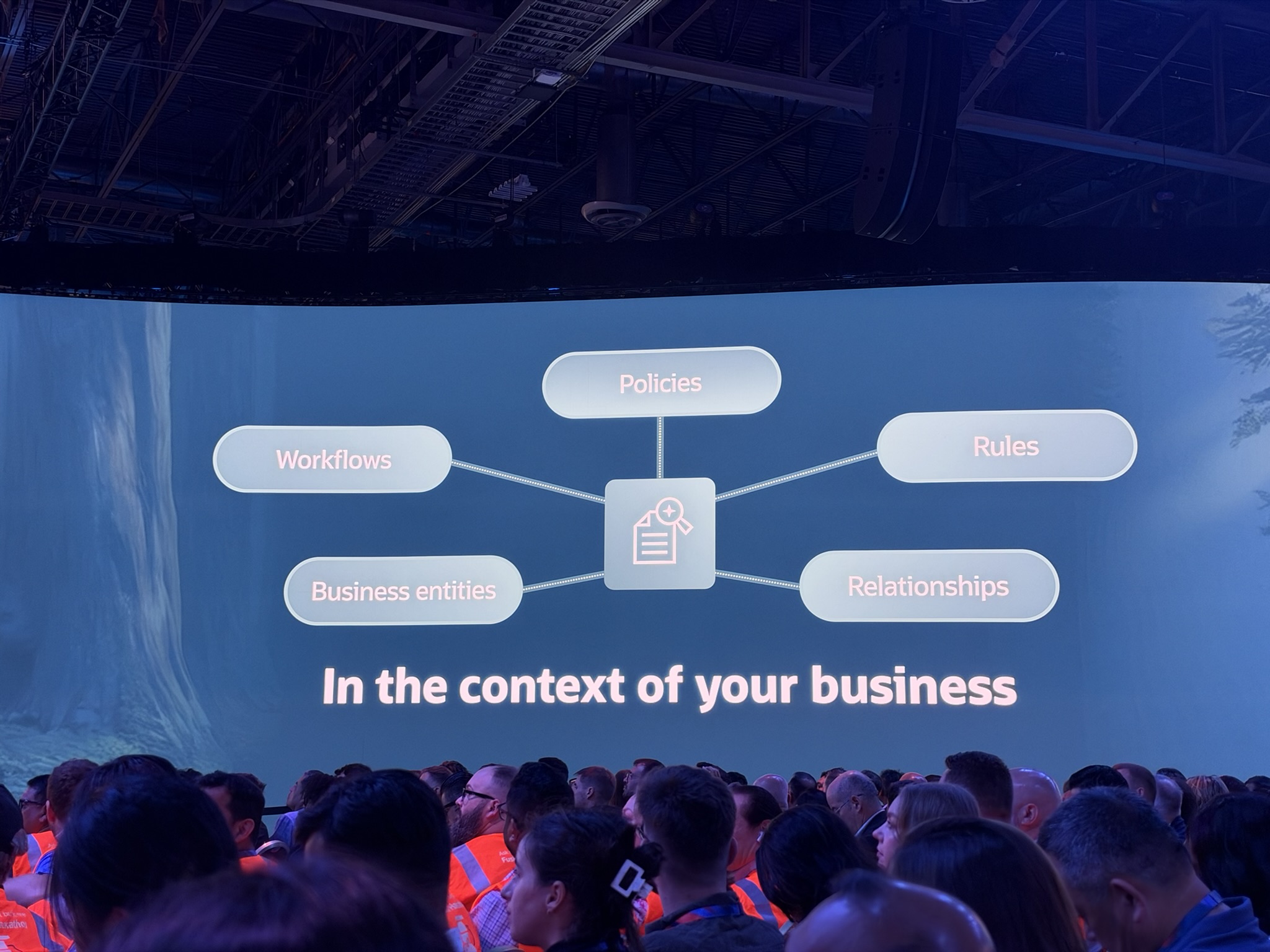
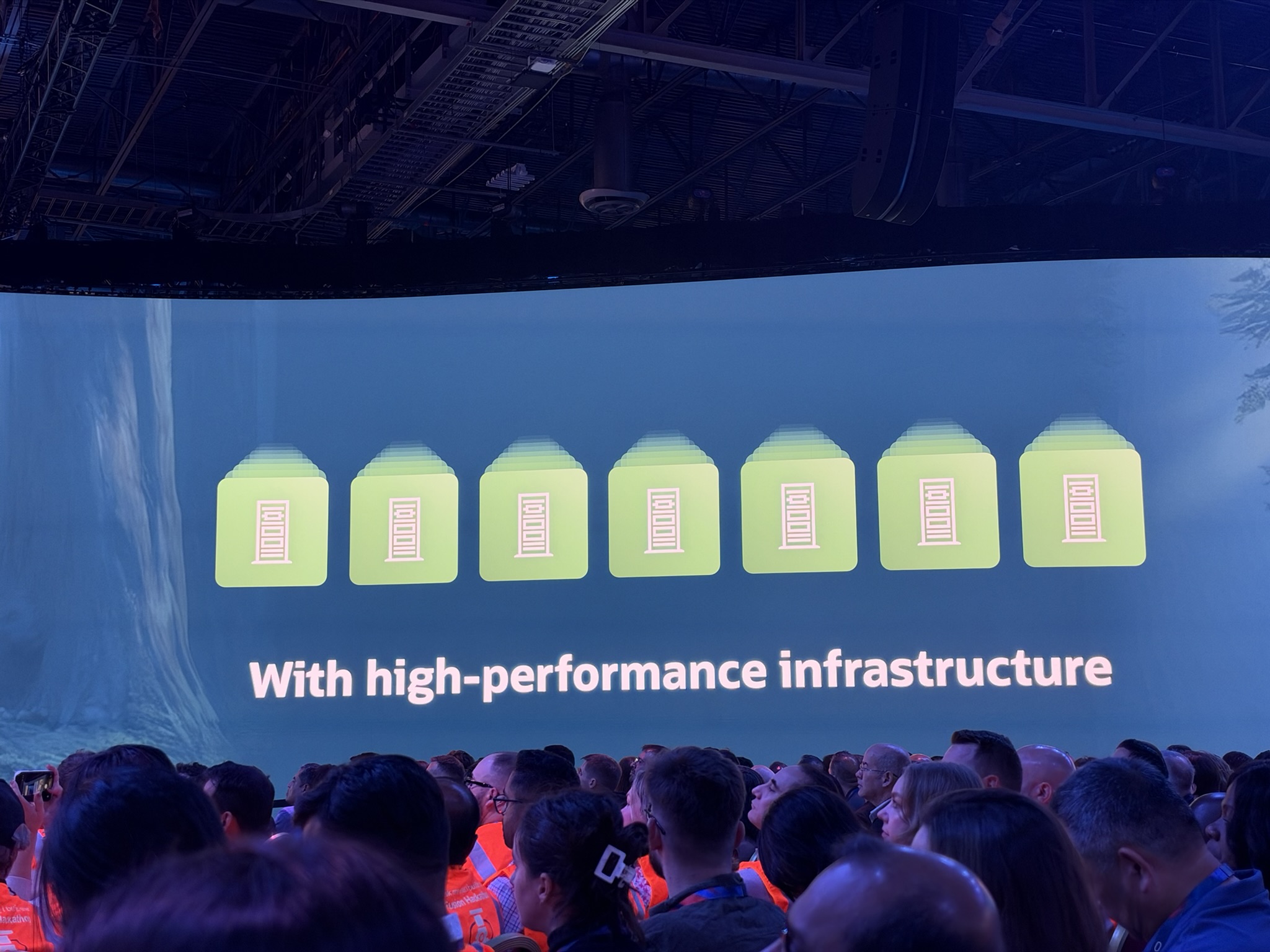
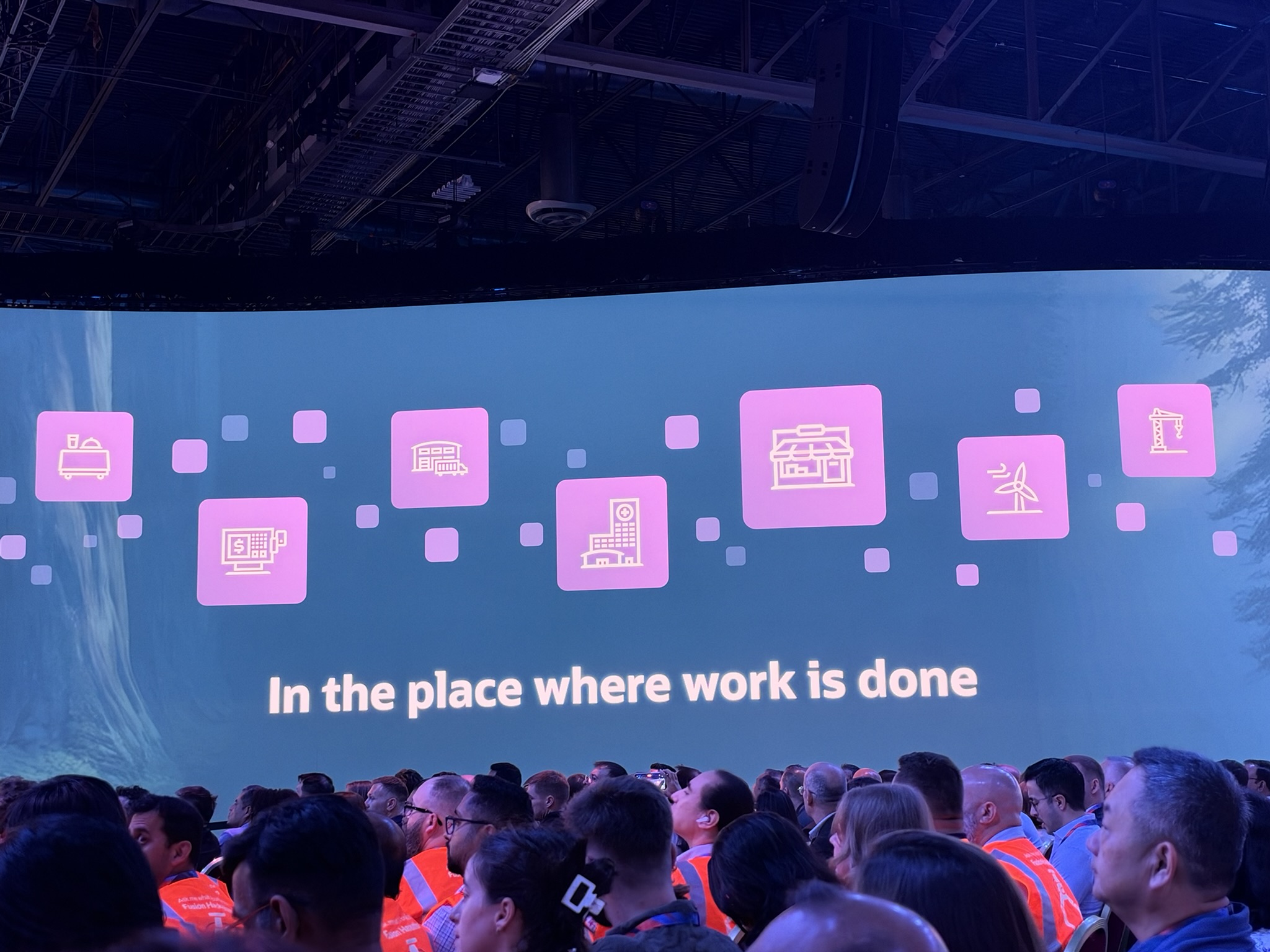
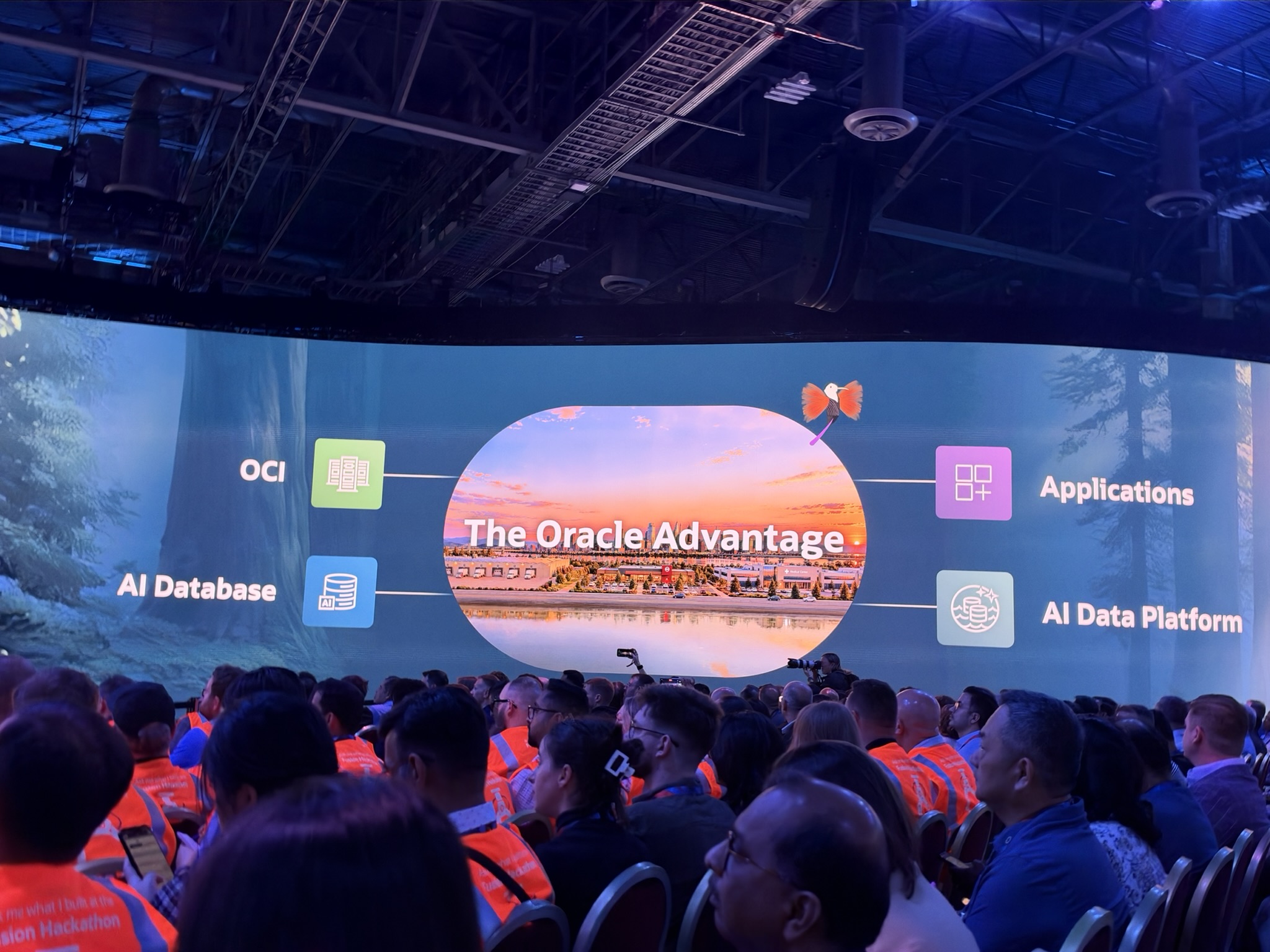
For me, this was quite an interesting message. We hear about AI everywhere at the moment, but enterprises need more than another AI demo. They need to be able to trust the data, govern how AI is being used and, ultimately, demonstrate some real business value from it. Those themes of trusted AI, governance and human oversight featured heavily in the opening part of the keynote.
AI inside the applications
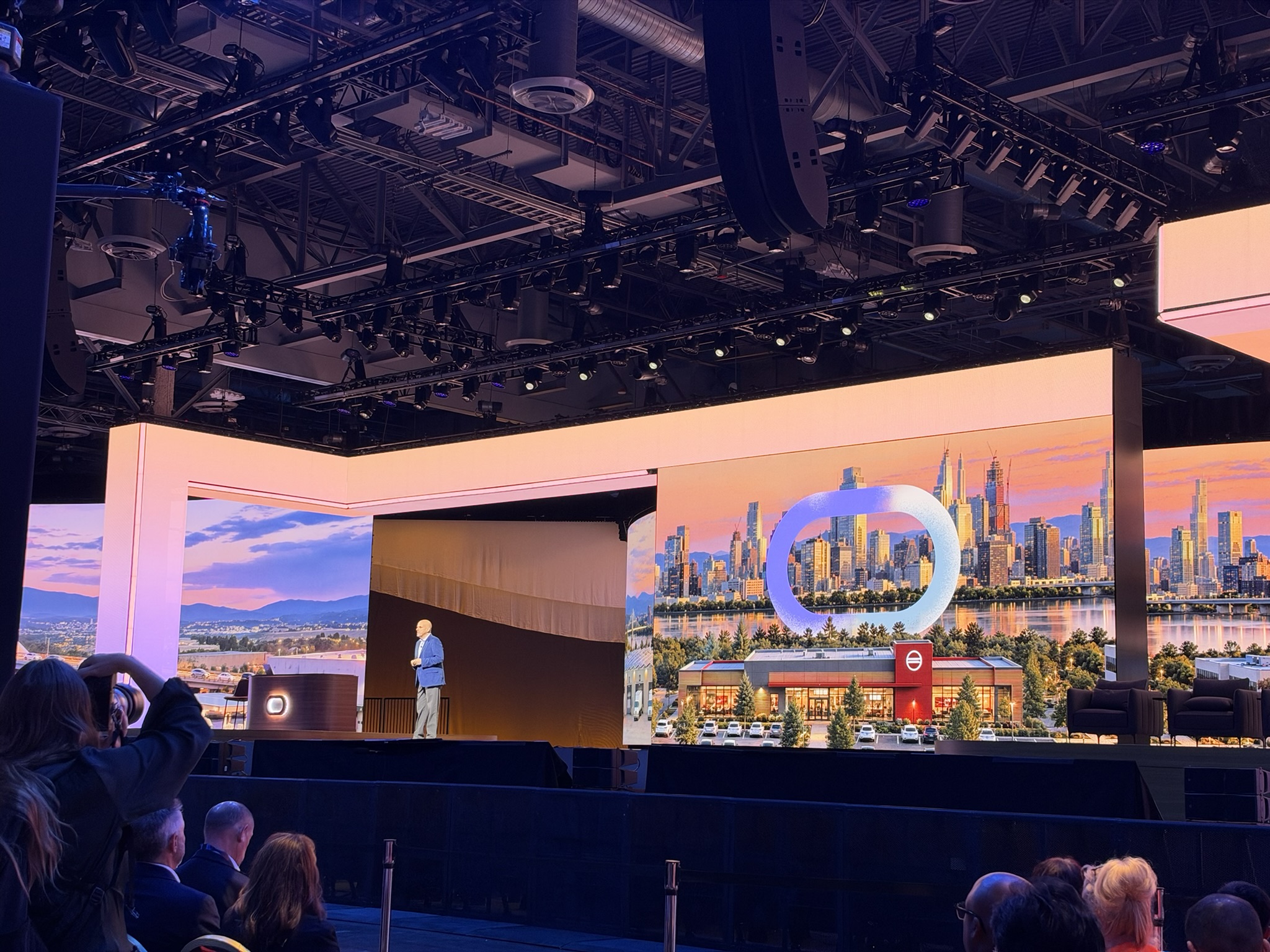
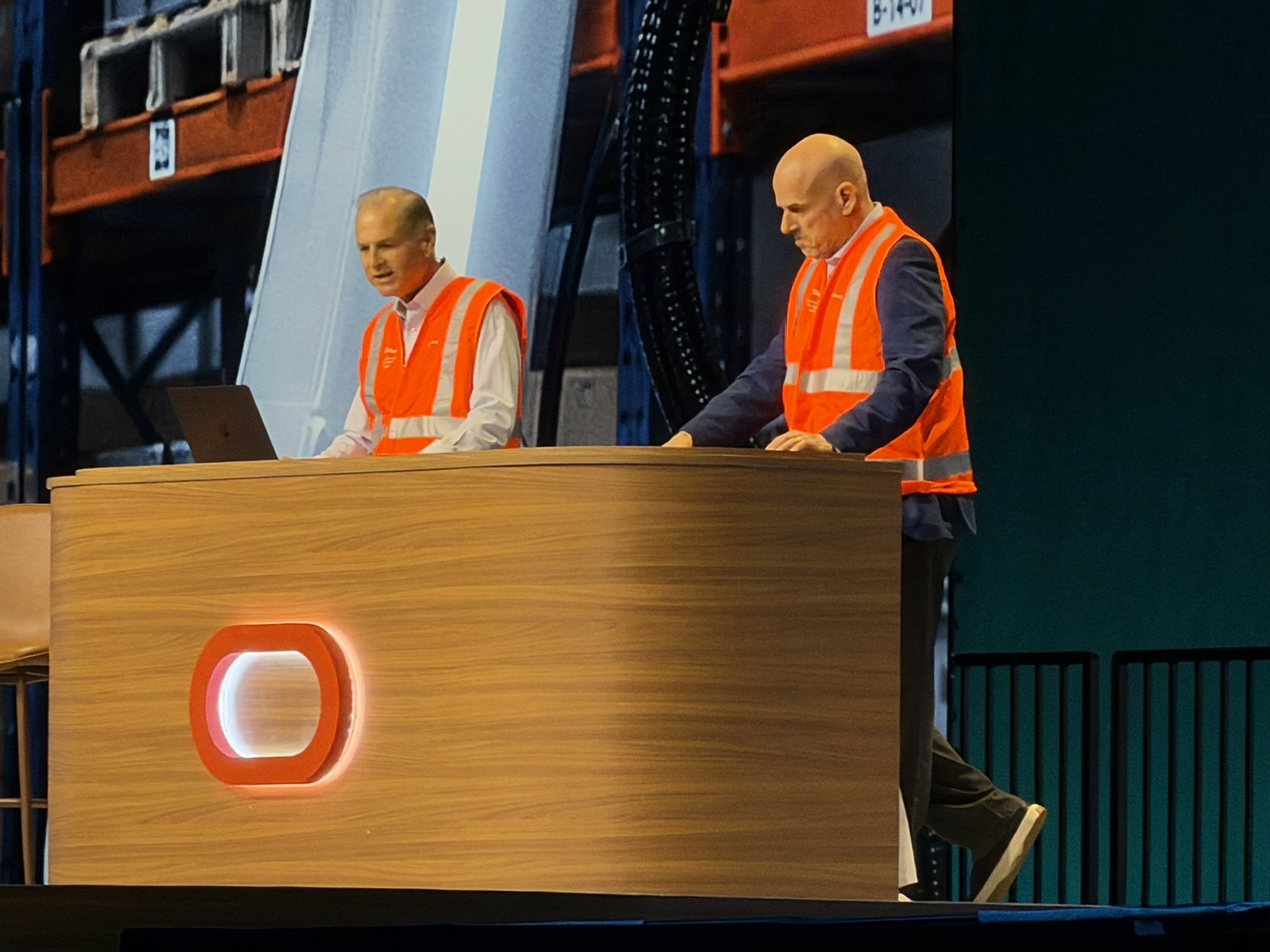
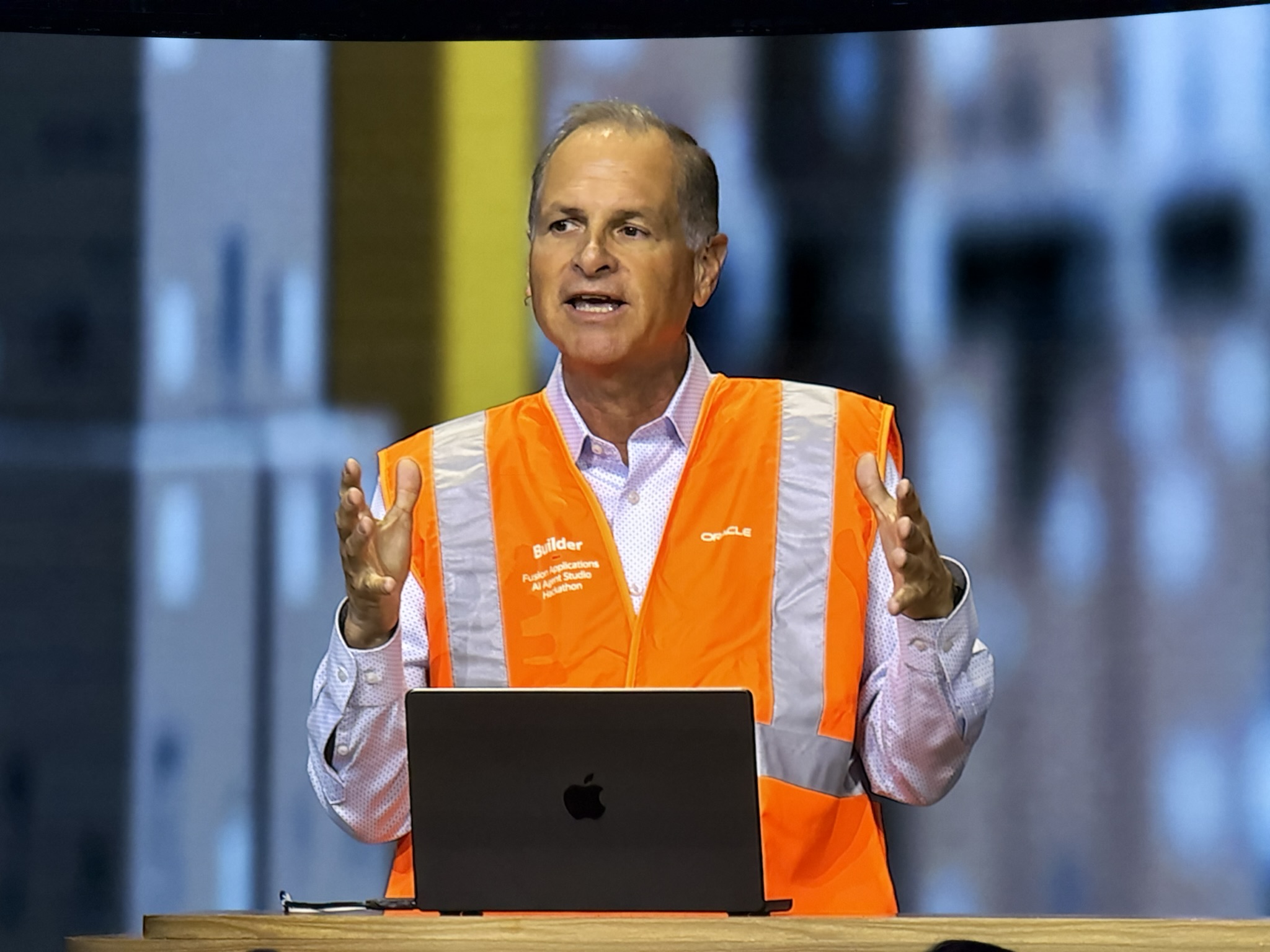
Chris Leone then took the keynote deeper into Oracle Fusion Applications and agentic AI. Rather than users constantly having to move between screens, interpret information and manually kick off the next process, Oracle’s direction is increasingly about having AI agents work within those existing business processes.
There were a number of demonstrations showing what that could actually look like. One example showed AI being used to optimise shipping operations, followed by the concept of autonomous execution and AI outcome receipts, providing visibility into what the AI had actually done and the resulting outcome.
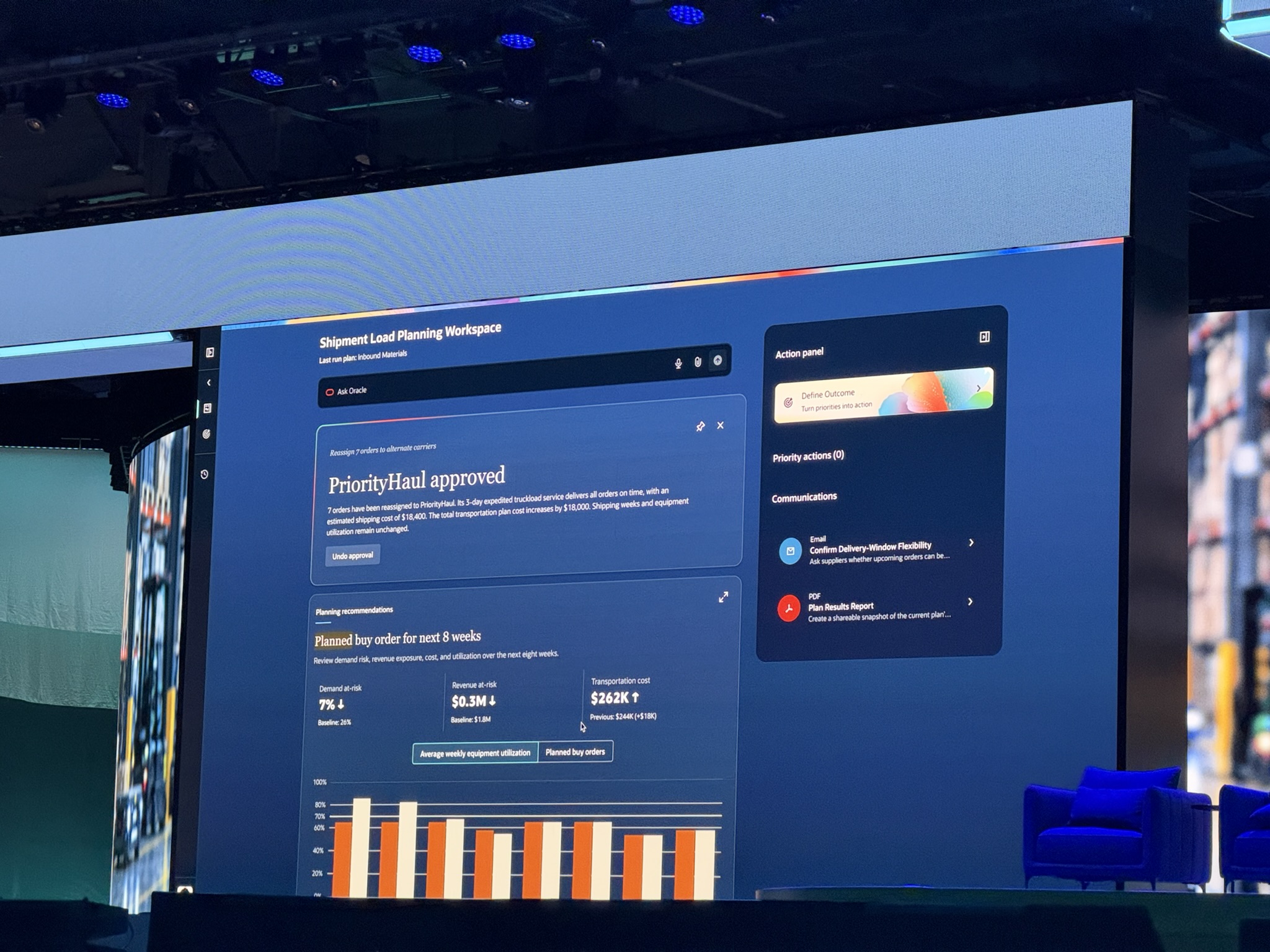
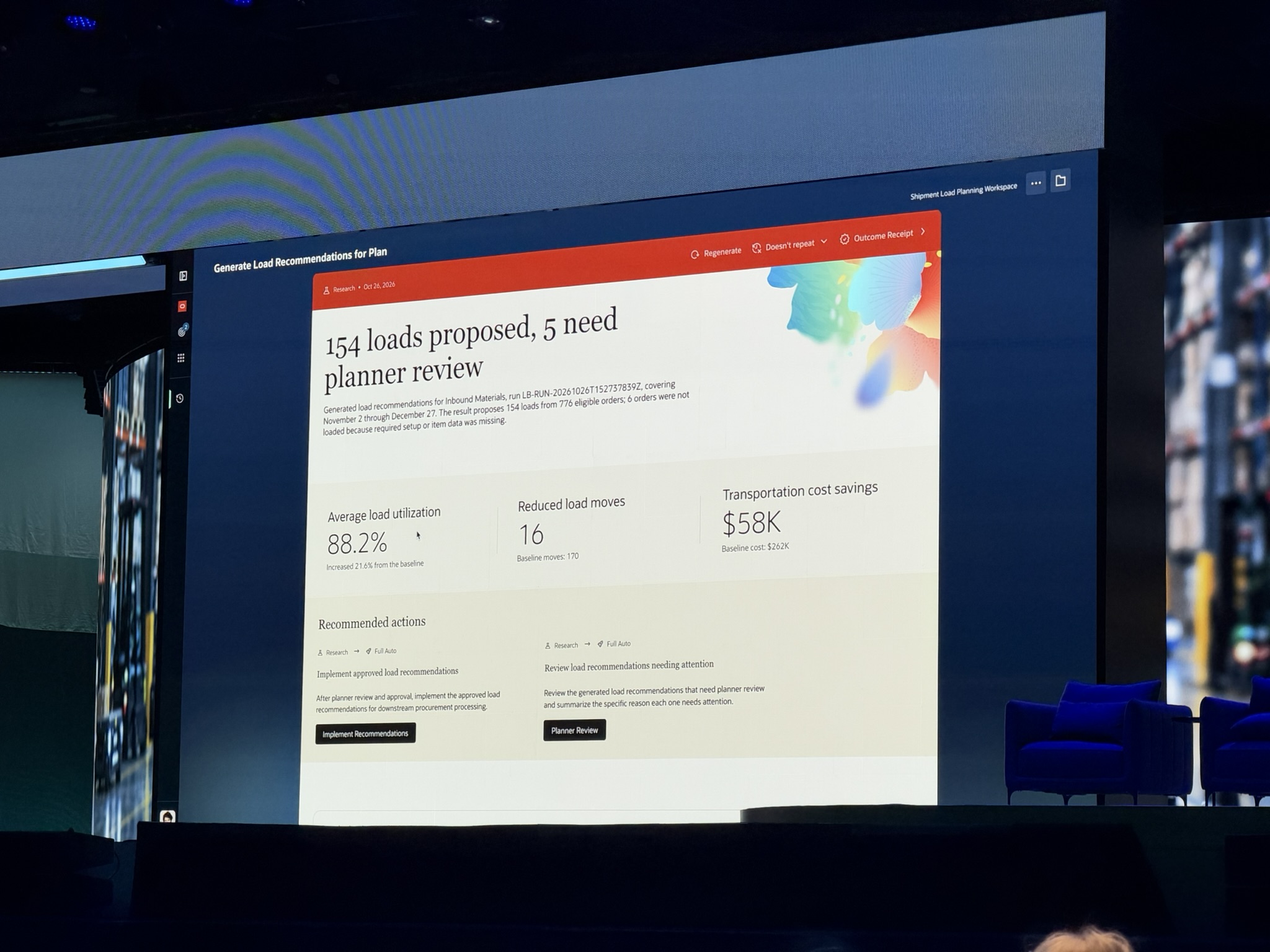
That last point is particularly important for me. Being autonomous is one thing, but in an enterprise you also need to know what your AI has done, why it has done it and be able to govern it.
Oracle Fusion gets even more AI
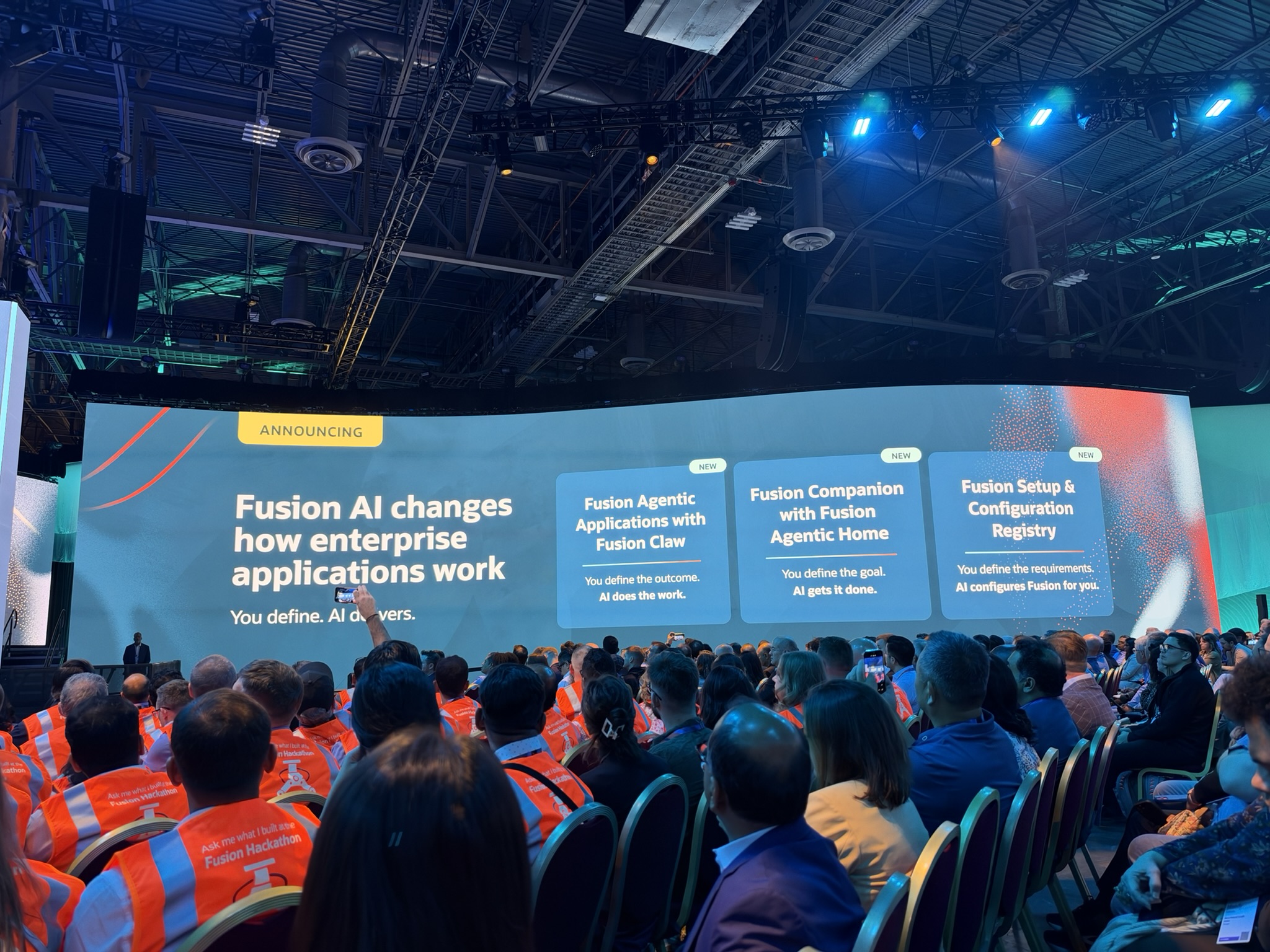
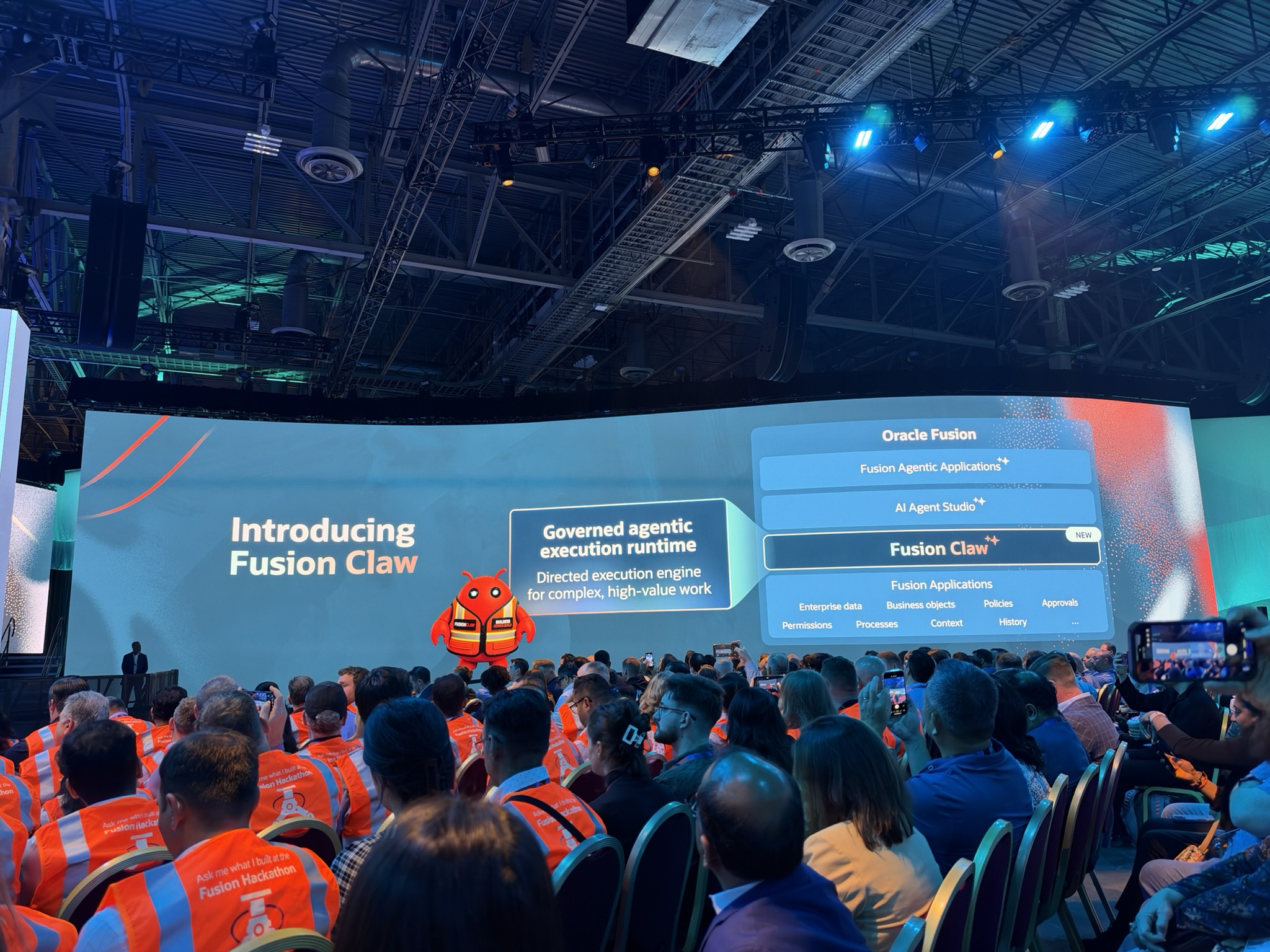
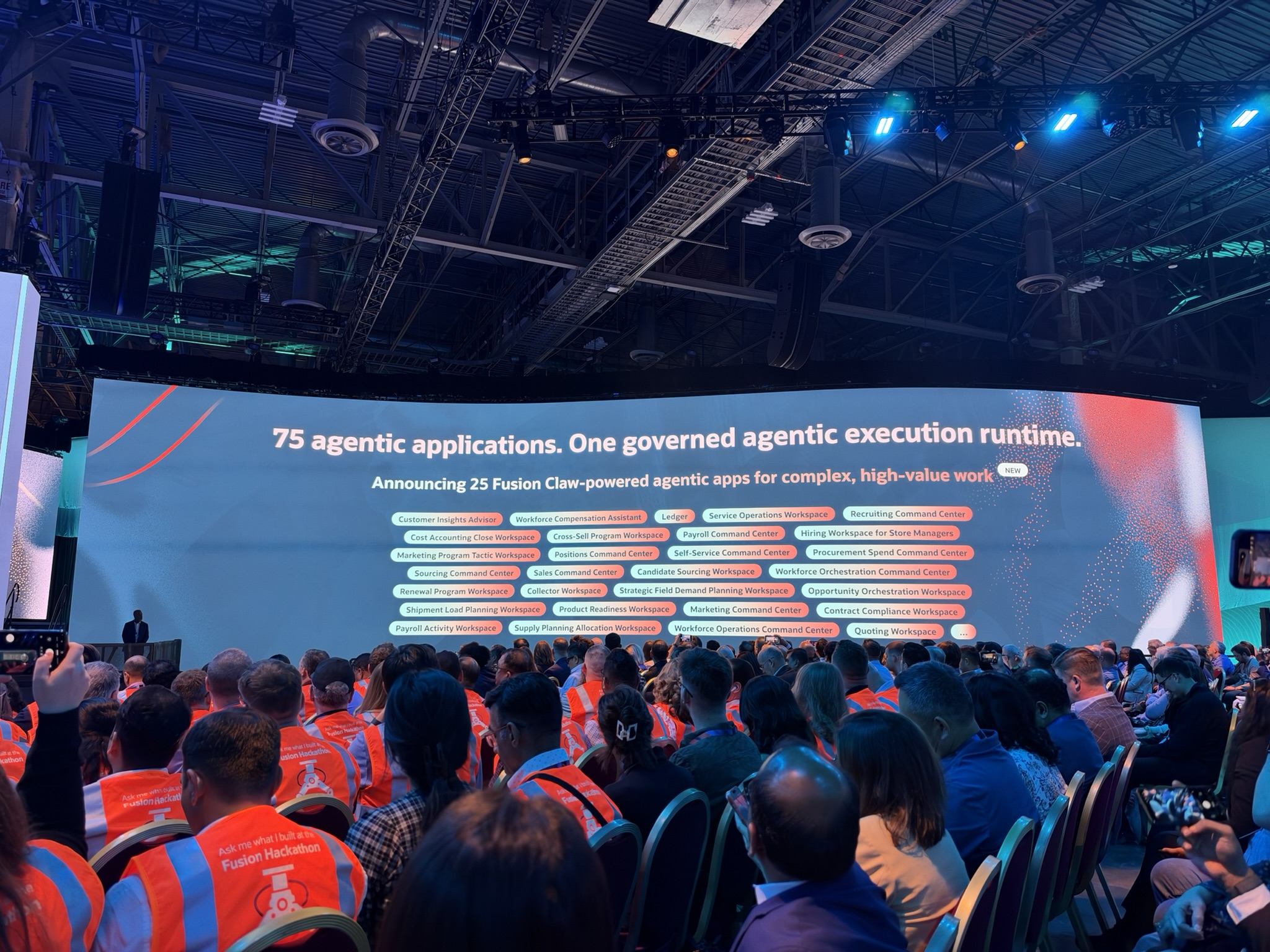
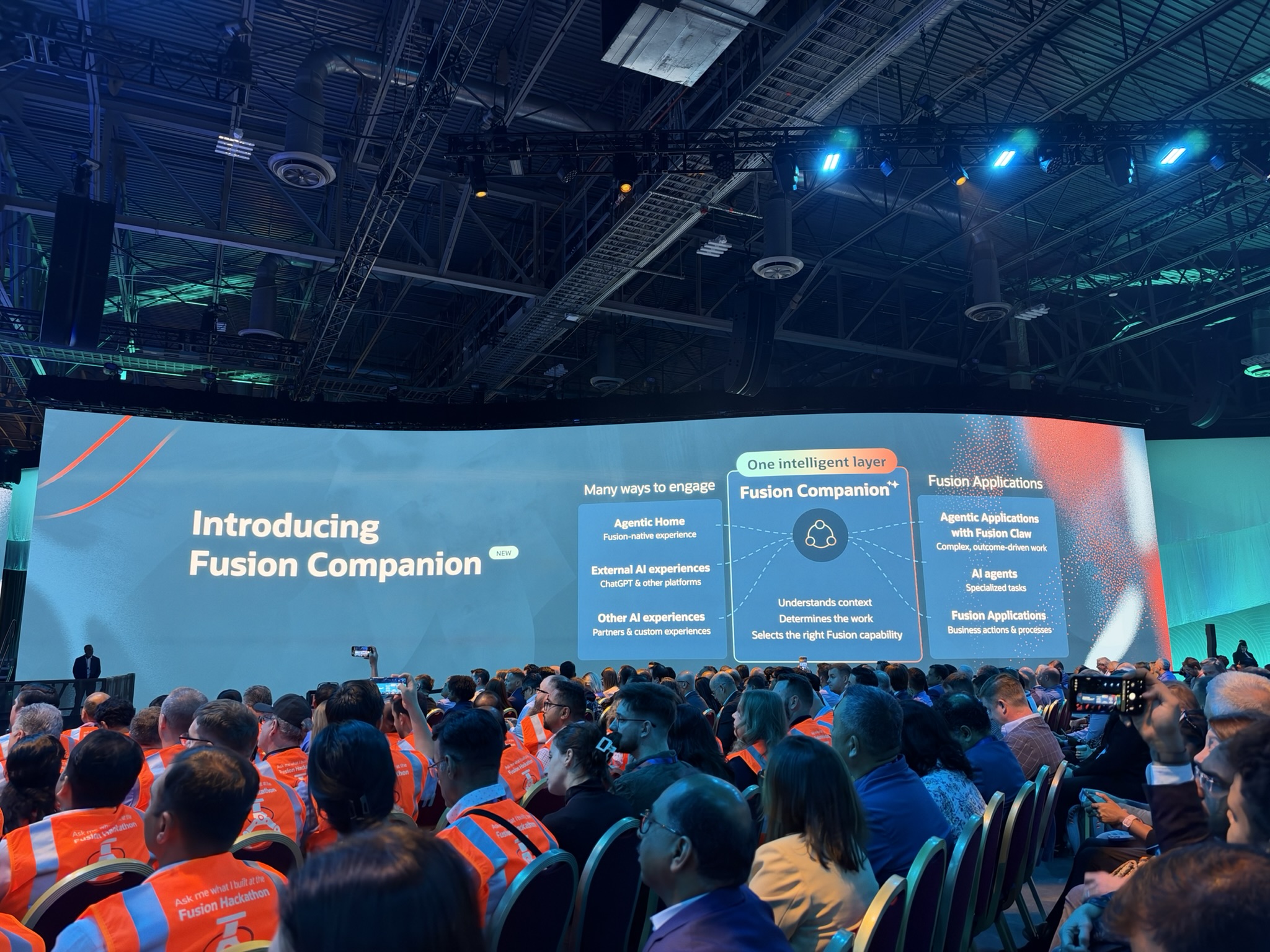
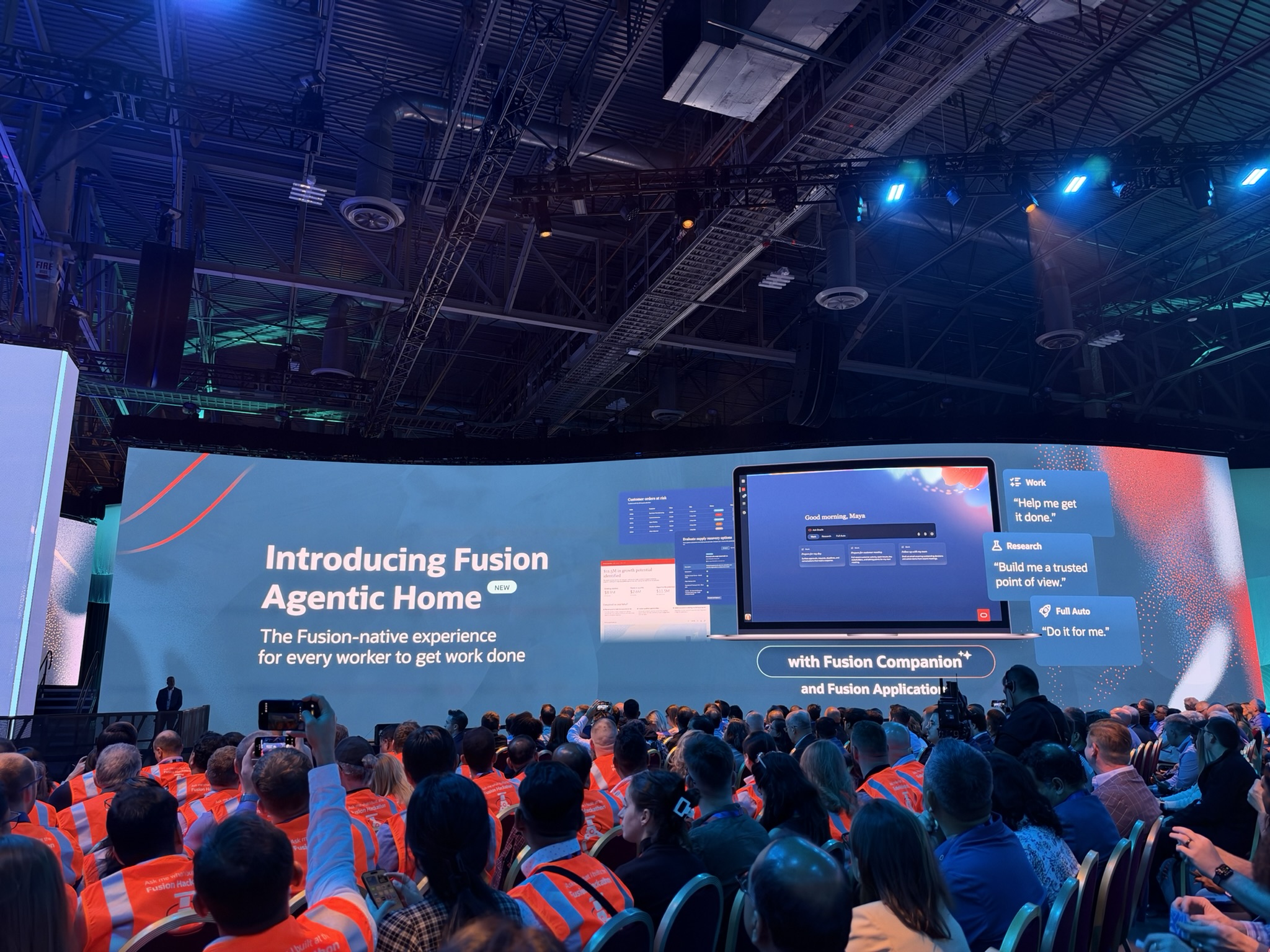
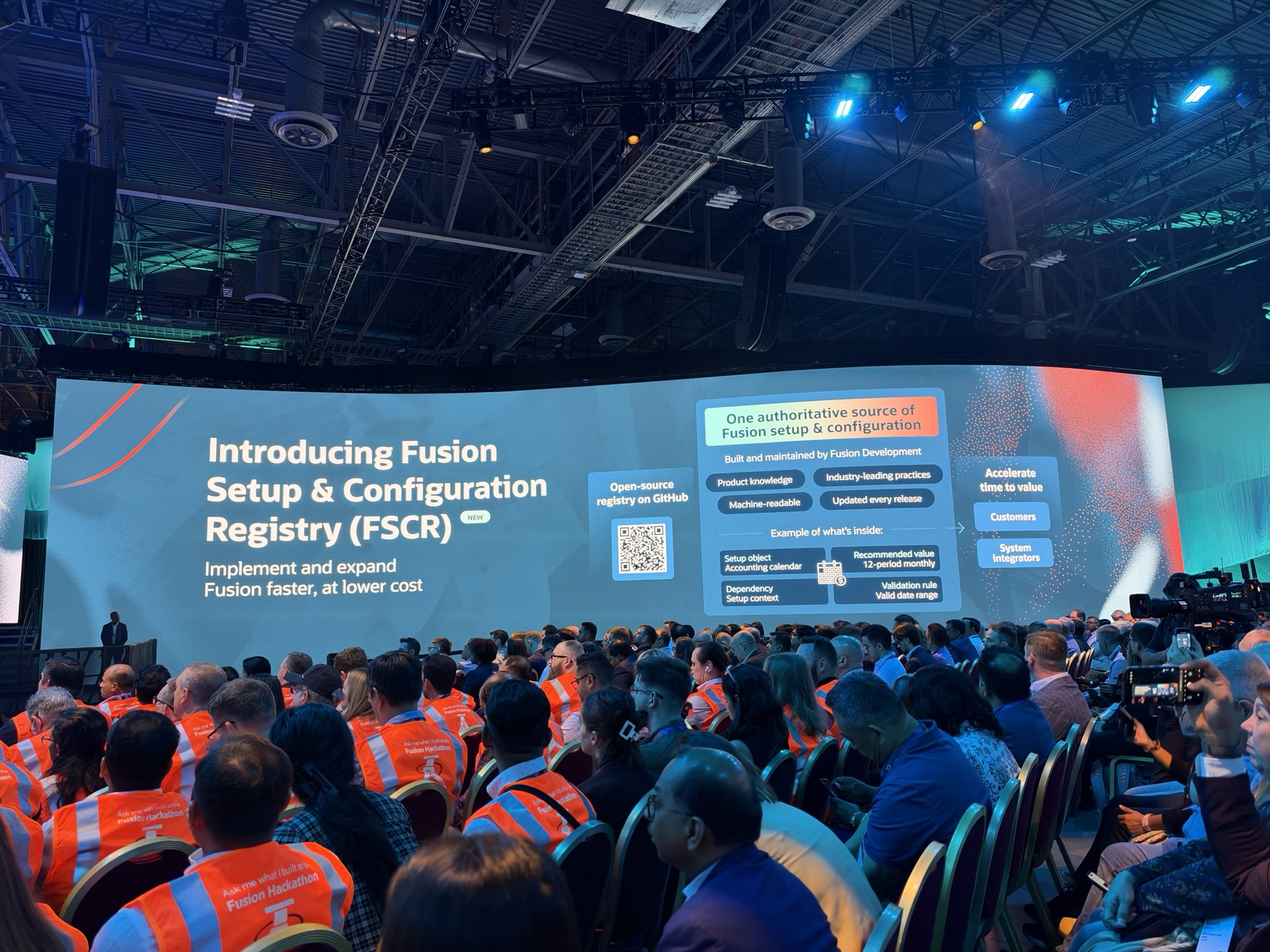
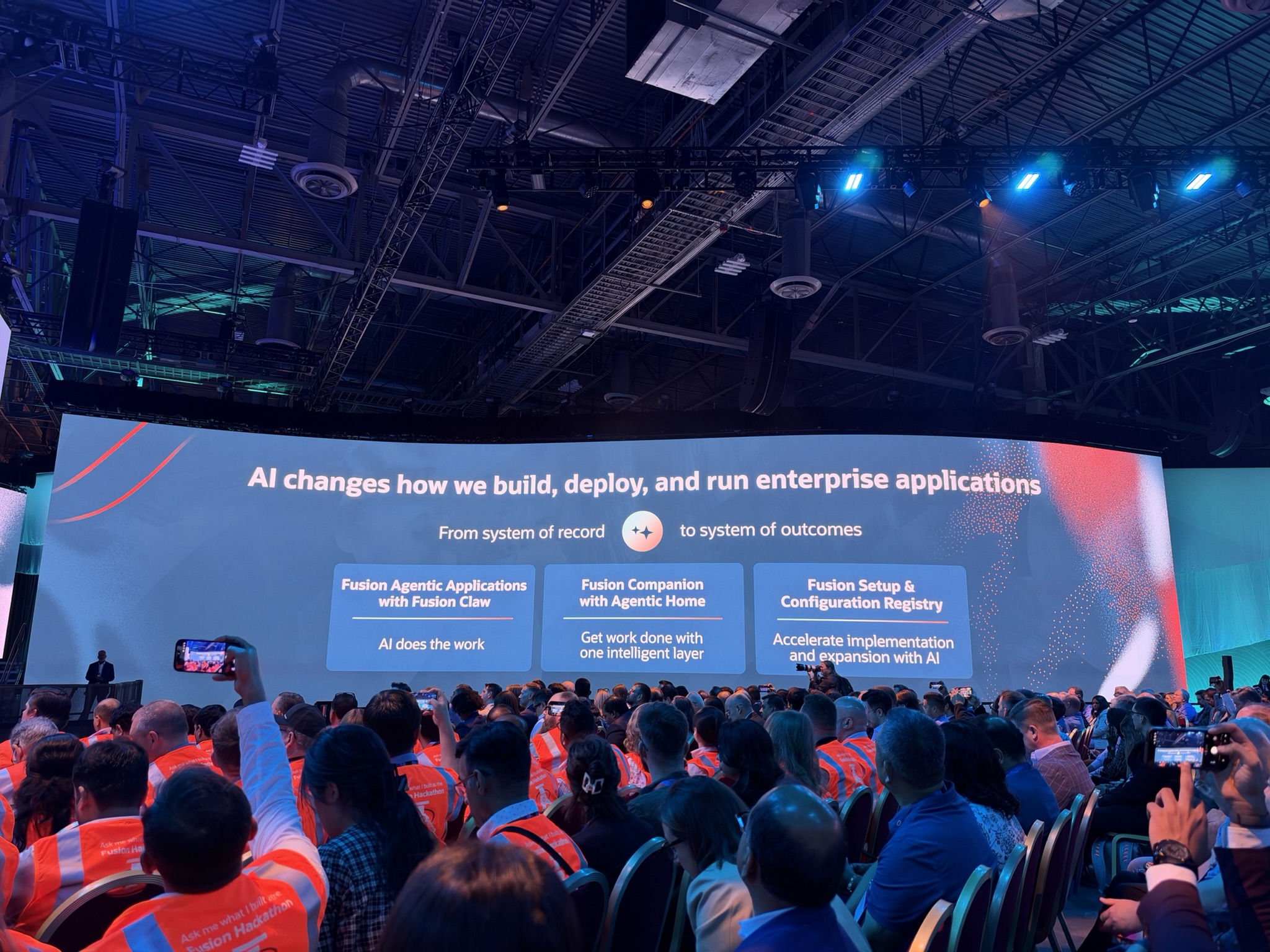
There were also several Oracle Fusion AI announcements, including Fusion Companion and Agentic Home. The direction was pretty clear: Oracle wants AI to become a natural part of the Fusion user experience rather than something users have to go somewhere else to access.
That is probably where AI starts becoming much more interesting for enterprise customers. If AI is embedded directly into the applications and processes people already use, and has the appropriate business context and trusted data behind it, then it has the potential to remove a lot of the repetitive work rather than simply being another chatbot! 😎
Real customers rather than just demos
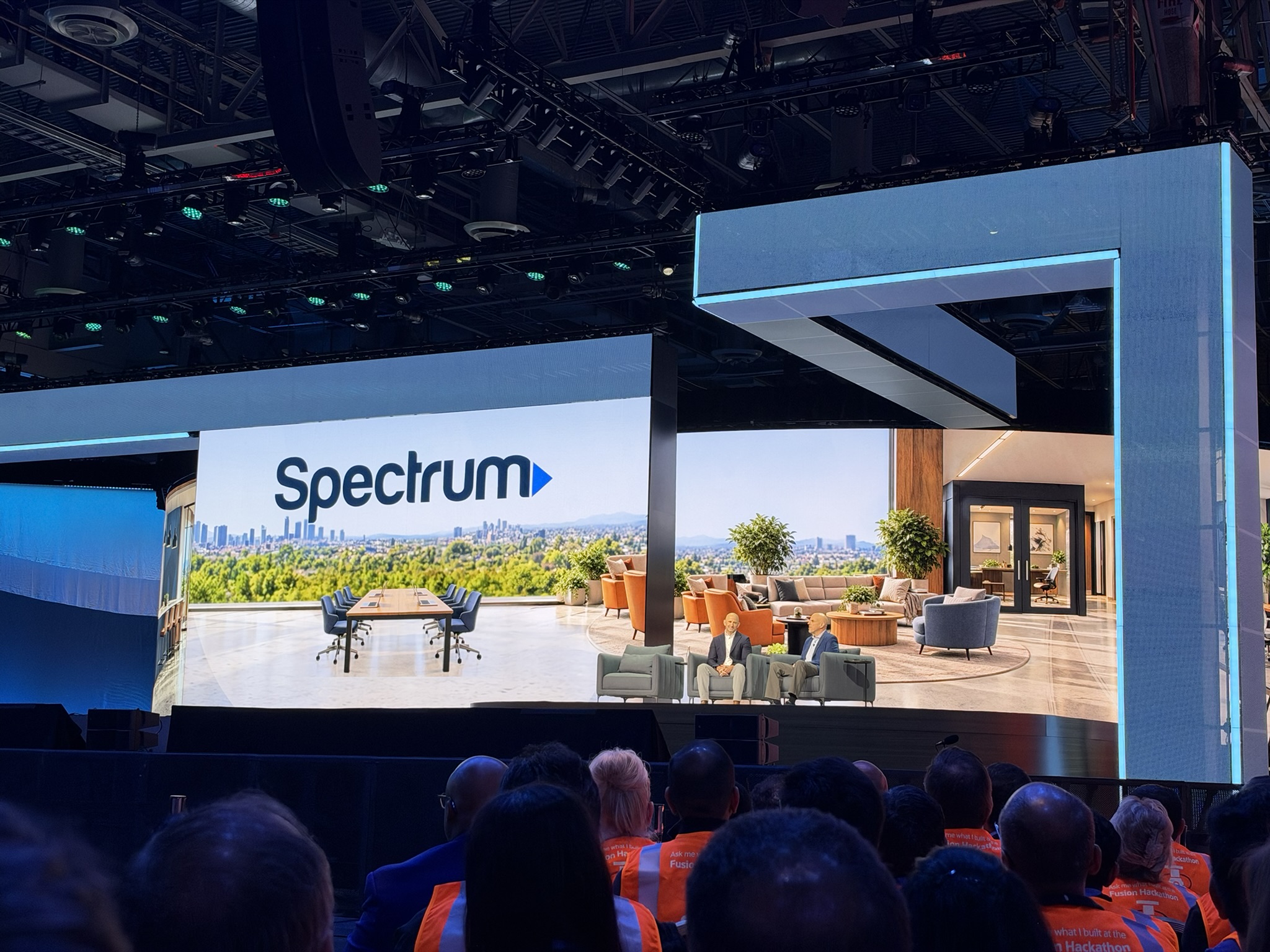
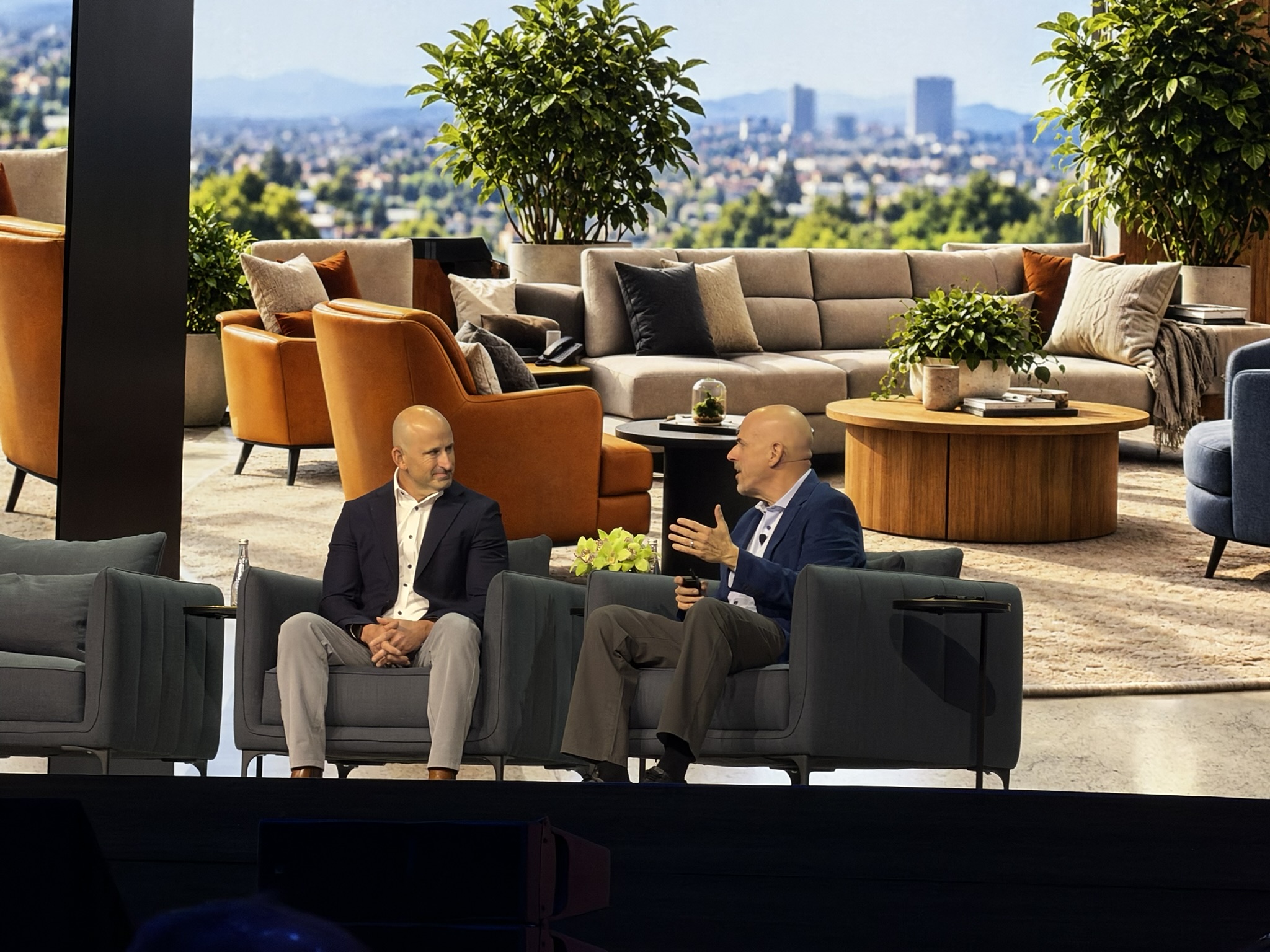
One thing I particularly liked about the keynote was the amount of emphasis placed on real-world use cases and customers.
Spectrum featured during the keynote, demonstrating how AI is being used around HR and the employee experience. The discussion wasn’t only about what AI could automate, but also governance, measuring success and how AI could potentially be scaled across an organisation.
That tied nicely back to the overall theme. The challenge isn’t simply building an AI use case. The real challenge is turning it into something that can be trusted, measured and scaled across an enterprise.
AI meets Burger King 🍔
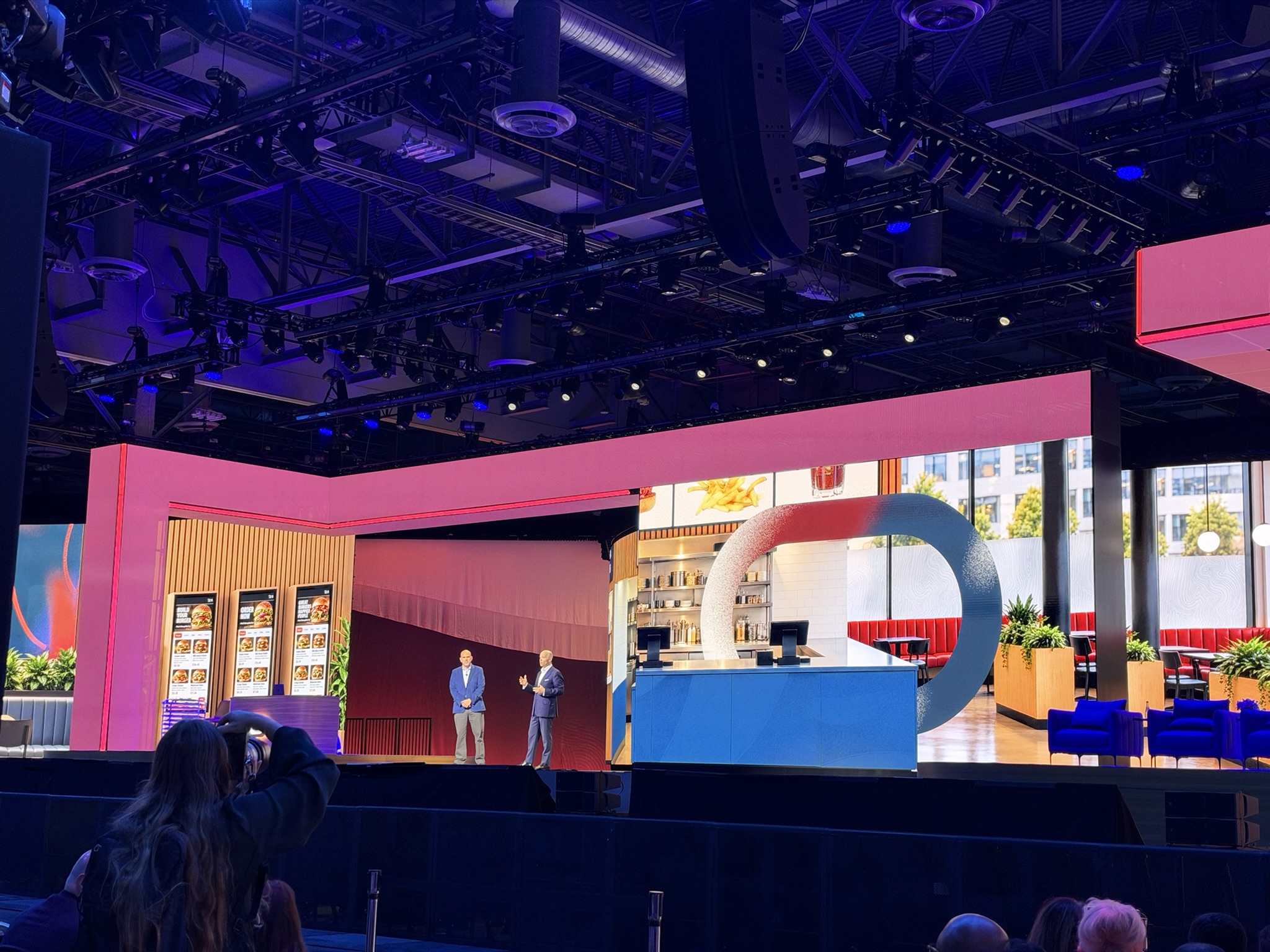
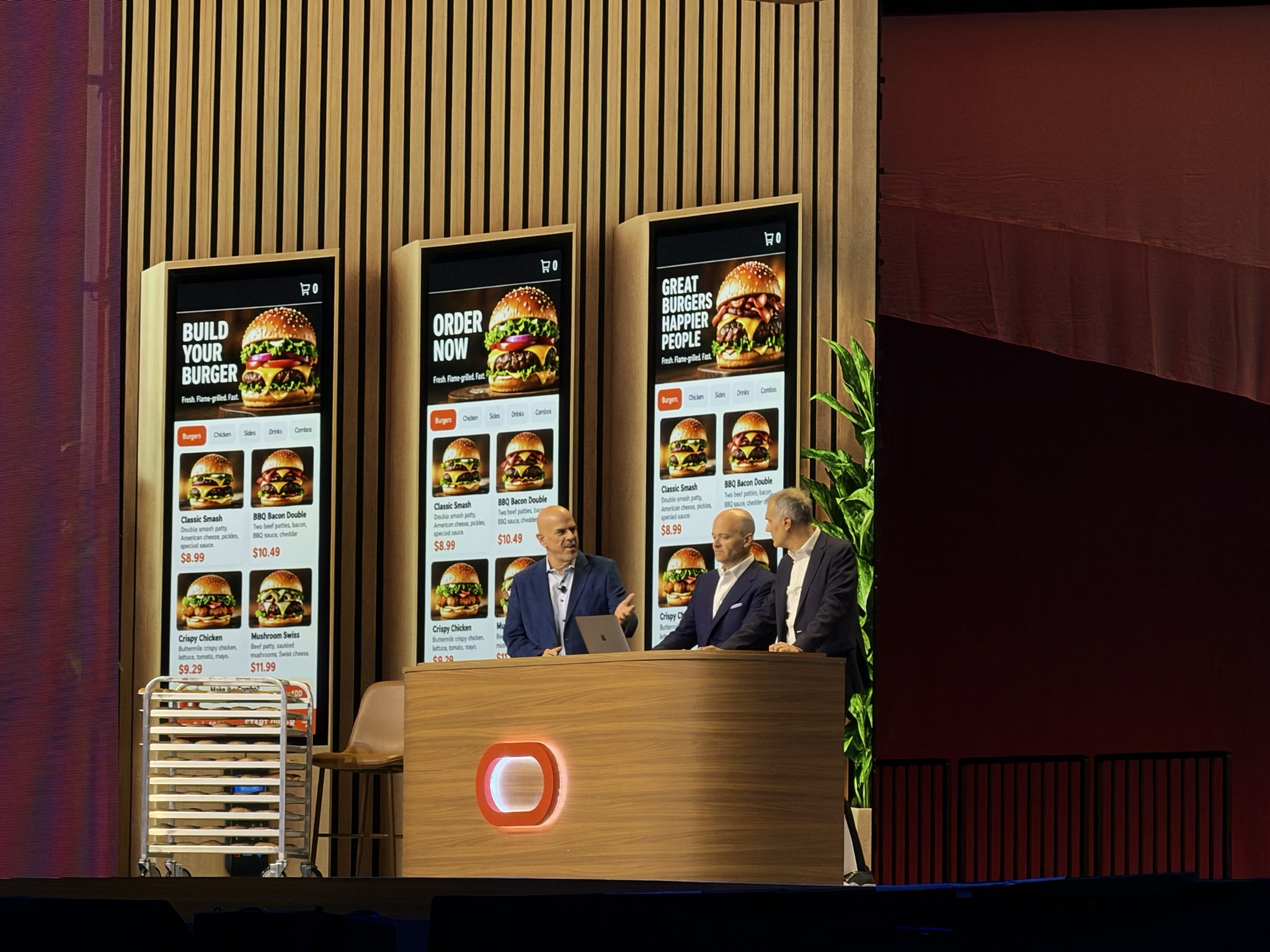
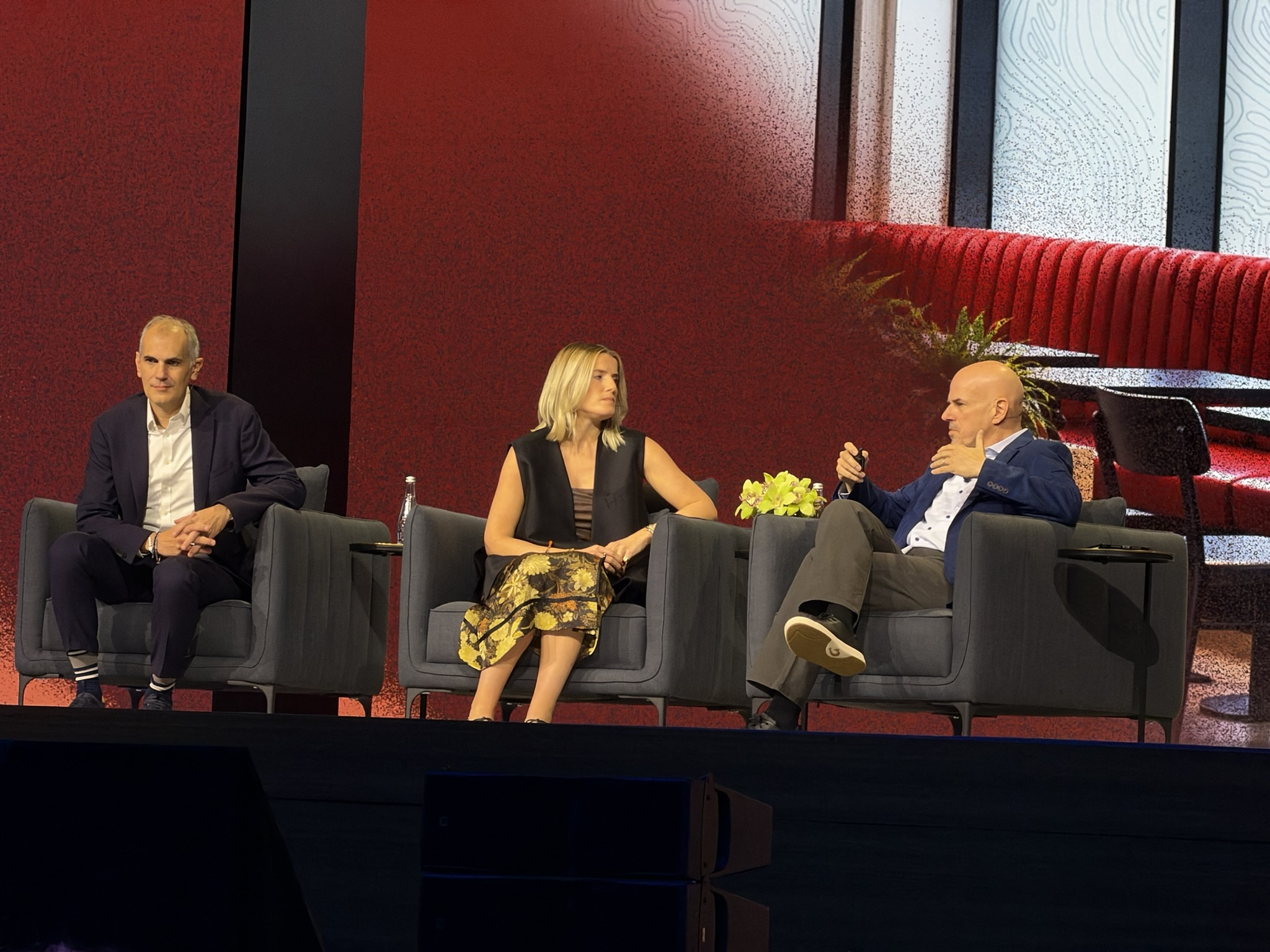
One of the more fun demonstrations involved Burger King Italia and the use of AI within restaurant operations.
The keynote demonstrated a restaurant AI command centre and explored several practical use cases, including delivery claims management, inventory and loss prevention. There was also discussion about the lessons learned from AI pilots and what it takes to scale those capabilities across restaurants.
I liked this section because these were very tangible examples. Rather than AI for the sake of AI, it showed how the technology could potentially help solve everyday operational problems within a business. Ultimately, that is where AI needs to get to if it is going to deliver genuine value.
From burgers to ambulances!
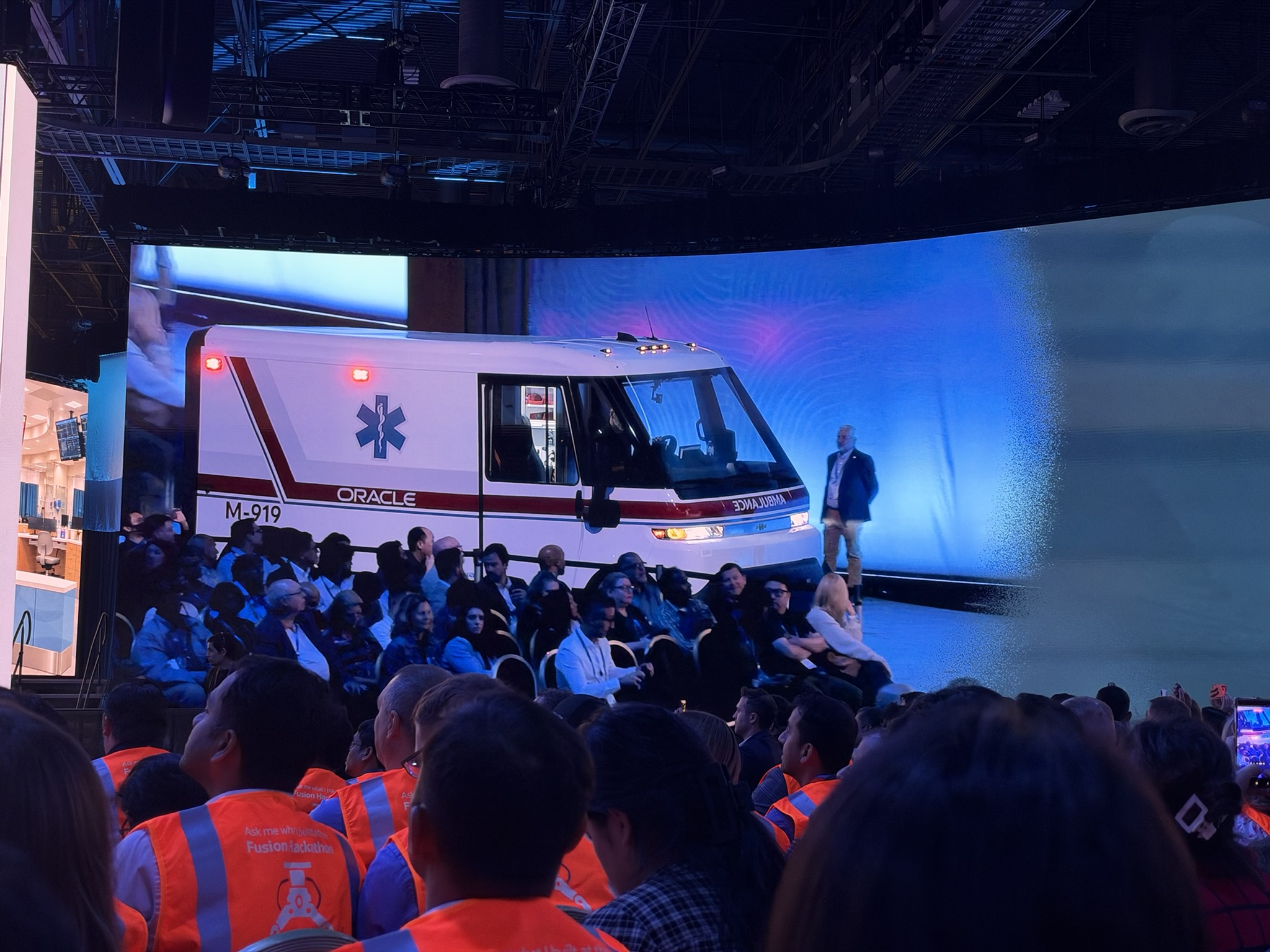
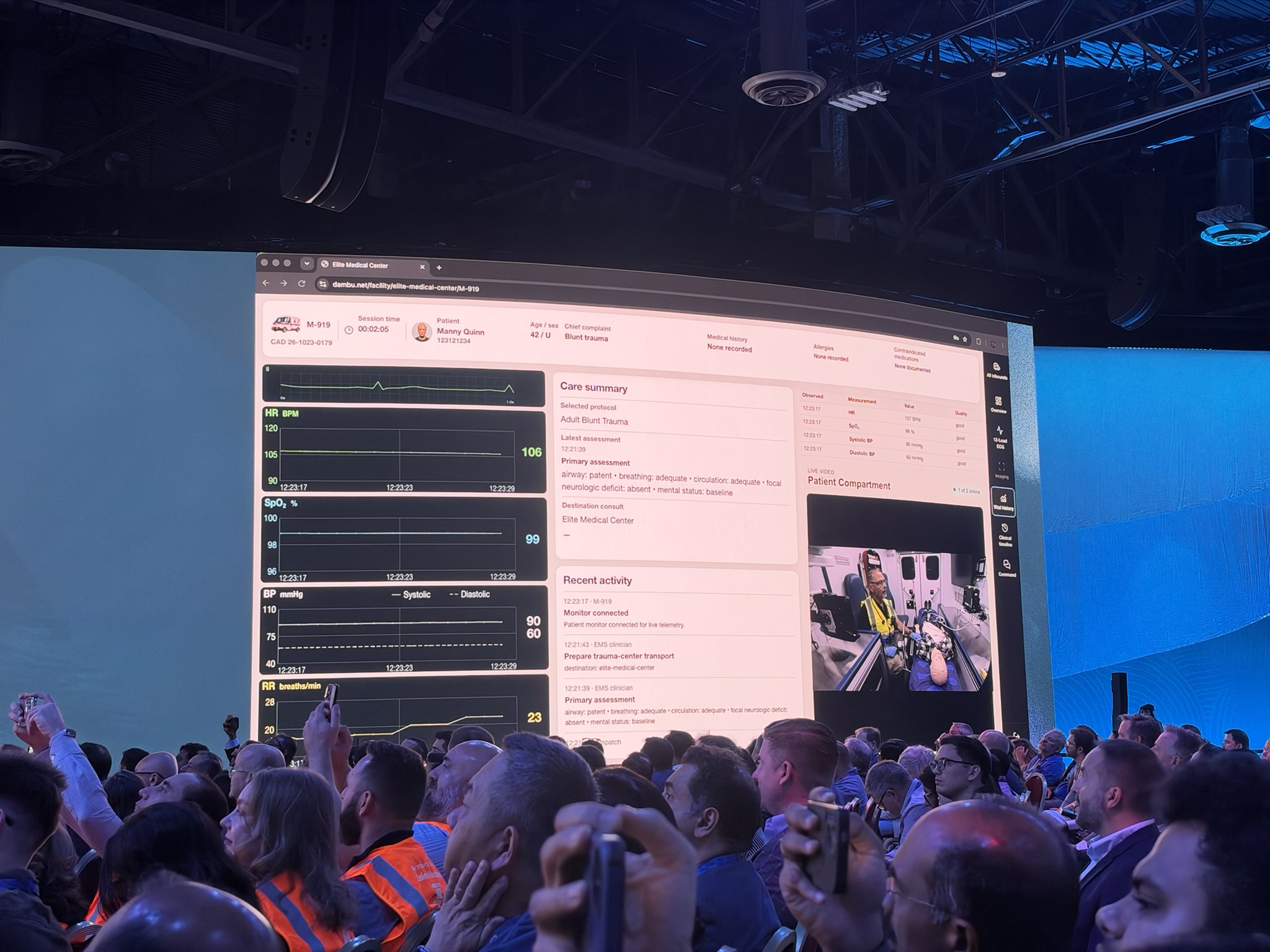

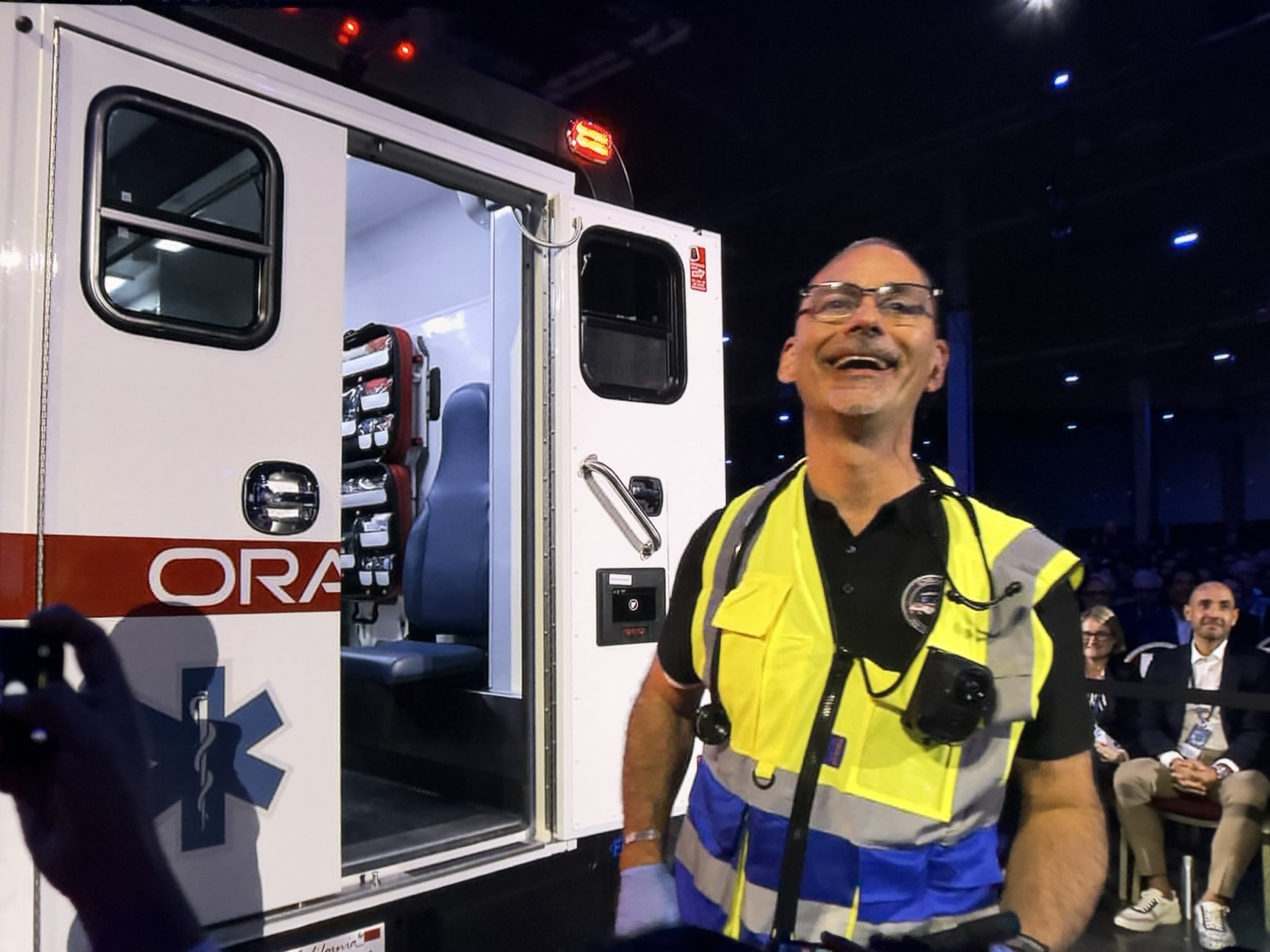
The keynote then moved in a completely different direction with a connected healthcare and emergency response demonstration.
We saw how IoT, connectivity, data and AI could come together around a connected ambulance, providing information to healthcare professionals as part of the emergency-care process. The healthcare section then continued into hospital performance analysis and an example involving the investigation of cardiology referral declines.
It was quite a contrast going from restaurant operations to emergency healthcare within the same keynote, but I think that was precisely the point. AI isn’t one particular product or use case. The opportunity is in applying it to the data and processes that are specific to each industry.
AI that actually means business
Towards the end, the conversation broadened again to accelerating enterprise AI adoption, before looking at AI in agriculture and food security and ultimately the wider impact AI could have on humanity.
For me, the title “Where AI Means Business” actually summed up the keynote very well.
There was obviously plenty of impressive technology on show, but the underlying message I took away wasn’t simply “look what AI can do.” It was much more about where AI can provide useful, trusted and measurable outcomes when it is combined with enterprise applications, business processes and, most importantly, trusted data.
Given how much of this year’s Oracle AI World had already been focused on AI, it was another reminder of just how quickly Oracle is embedding it across its portfolio. And we were only at the start of the conference! 😎
You can watch the full Oracle AI World 2026 Keynote: Where AI Means Business here on YouTube. The session runs for around 73 minutes and includes the Fusion, Spectrum, Burger King Italia, connected healthcare and agriculture sections I’ve covered above.
If you found this blog post useful, please like as well as follow me through my various Social Media avenues available on the sidebar and/or subscribe to this Oracle blog via WordPress/e-mail.
Thanks
Zed DBA (Zahid Anwar)

